
This website uses affiliate links which may earn a commission at no additional cost to you. As an Amazon Associate I earn from qualifying purchases.
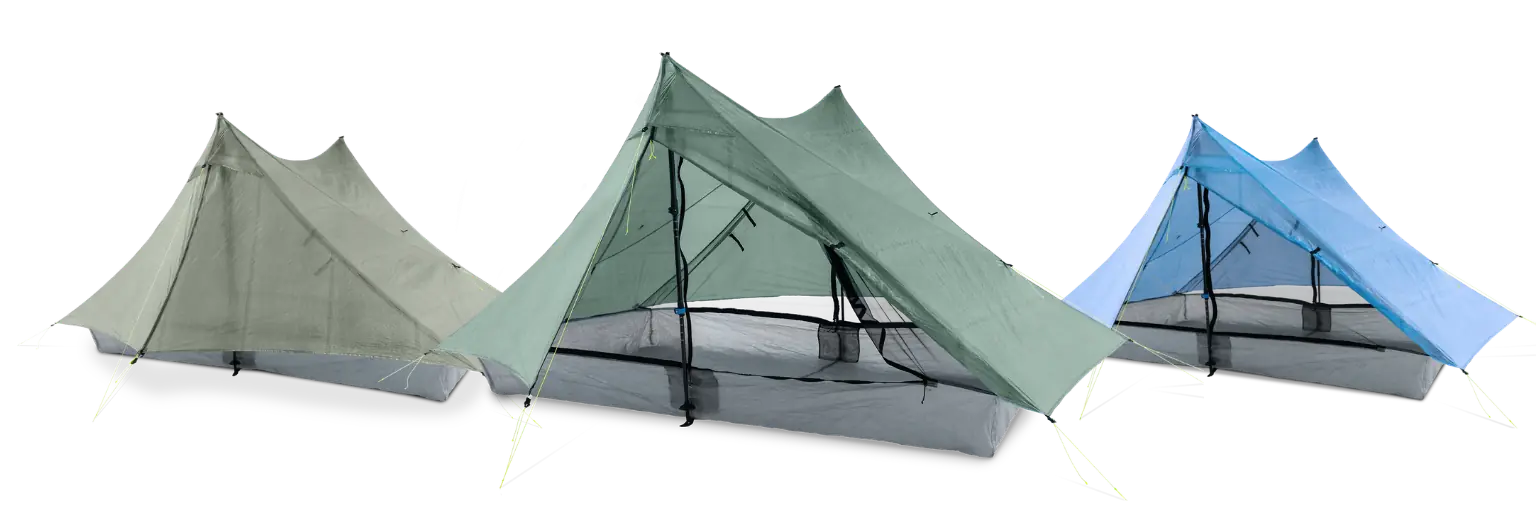
When you are planning to hike thousands of miles, every piece of gear needs to justify its place in your pack. The Zpacks Duplex Pro represents a specific approach to shelter: prioritizing low weight and small packed size while maintaining the durability and weather protection needed for months on trail. This guide examines the practical realities of carrying and using this tent across long-distance hiking scenarios.
Understanding Thru-Hiker Priorities
Distance hikers evaluate gear differently than weekend backpackers. A shelter that works for three days might fail over three months. Weight compounds over distance. An extra pound in your pack translates to lifting that weight with every step across hundreds of miles. Packed size affects daily comfort. A bulky tent forces compromises in how you organize your pack. Durability determines whether you finish your hike. A shelter that fails at mile 1,200 creates serious problems.
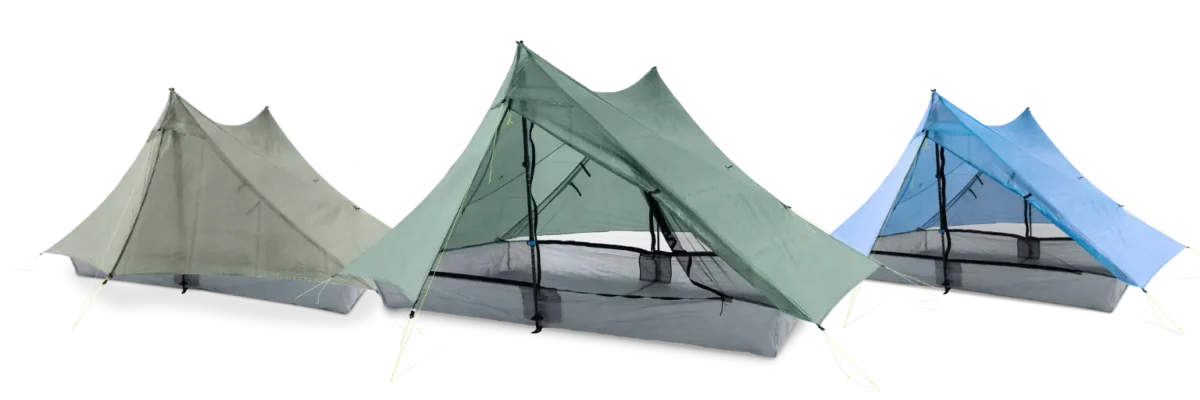
The Duplex Pro addresses these concerns through intentional design choices. At 19.5 ounces with the lite floor option, it sits in the ultralight category without sacrificing the features that matter in challenging conditions. The tent uses Dyneema Composite Fabric throughout, a material choice that directly impacts long-term performance.
Weight That Matters on Long Miles
The complete weight of 19.5 ounces includes the tent body, guylines, and sewn-in line locks. You will need to add stakes separately. With six to eight ultralight stakes, total shelter weight reaches approximately 22 to 24 ounces, depending on stake choice. For context, traditional backpacking tents in the two-person category often weigh 4 to 6 pounds. The difference of roughly 3.5 pounds means carrying significantly less weight mile after mile.
Over a 2,650-mile PCT thru-hike, assuming an average of 22 miles per day, you lift that saved weight approximately 5.4 million times during your hike. This calculation considers each step as lifting your full pack weight. The mathematics of lightweight gear become clear across extreme distance.
For partners who split a tent, each person carries approximately 11 to 12 ounces of shelter weight. This allows more capacity for food, water, and safety gear. Solo hikers gain substantial interior space compared to one-person shelters at similar weights.
Packed Size and Daily Living
The Duplex Pro compresses to roughly 5 inches in diameter by 12 inches tall when rolled tightly. The included stuff sack measures 7 inches by 13 inches, deliberately oversized so you can pack quickly without fighting the fabric on tired mornings. This packed size fits easily in the main compartment of most 40 to 50 liter ultralight backpacks.
Dyneema fabric compresses exceptionally well because it lacks the loft of coated nylon. The tent packs smaller than many jackets. You can position it vertically in your pack or lay it horizontally, providing flexibility in how you organize gear. The small packed size also means easier resupply shipping and less space taken in bear canisters on required sections.
Setup in Real Conditions
The symmetrical dual-apex design simplifies pitching. Either end can face the wind, allowing you to adapt to changing conditions without memorizing which direction to orient the tent. The basic pitch sequence takes 3 to 5 minutes once familiar: stake four corners at 45-degree angles, insert trekking poles outside the mesh doors, stake the ridgeline, adjust corner tension, then add side wall stakes.
In wind, the dual-pole structure provides good stability. The reinforced center guyout points allow you to tension the fly away from the ceiling, reducing flutter and increasing wind resistance. In rain, you can pitch the tent without the interior getting wet because you stake the floor before raising the canopy. At night or in storms, the symmetrical design means you are never confused about tent orientation.
The learning curve exists but remains manageable for beginners. The first few pitches require attention to corner stake placement and tension adjustment. By the fifth setup, the process becomes intuitive. The tent uses trekking poles you already carry, eliminating dedicated tent poles. If you hike without trekking poles, Zpacks sells compatible carbon fiber poles at 2.6 ounces each.
Dyneema: The Material Choice
Dyneema Composite Fabric differentiates this tent from nylon or polyester alternatives. The material consists of Dyneema fibers laminated between thin polyester films. This construction creates a fabric that is waterproof without coatings, meaning no degradation over time from coating failure. The fabric does not absorb water, maintaining its weight even in multi-day rain.
Traditional tents and their fabrics stretch and sag when wet, sometimes requiring middle-of-the-night retensioning. Dyneema stays taut regardless of moisture. The fabric is exceptionally strong for its weight, with a much higher strength-to-weight ratio than alternatives. This allows thinner, lighter fabric that still handles the stresses of pitching and wind loading.
For thru-hikers, the lack of coating eliminates a common failure point. Many hikers have experienced nylon tent flies where the polyurethane coating deteriorates, leaving a fabric that wets out. Dyneema eliminates this concern. The fabric maintains water resistance for the life of the tent. UV exposure does eventually degrade the material, but the expected lifespan exceeds one full thru-hike with proper care, and often much more.
Weather Protection Realities
The Duplex Pro uses a single-wall design, meaning the waterproof canopy sits directly above you without an interior mesh tent. This reduces weight substantially but creates condensation management considerations. On cold nights with significant temperature differential between inside and outside, moisture from your breath condenses on the interior.
The tent addresses this through extensive ventilation options. The double-L mesh doors open independently, allowing you to create airflow while keeping insects out. The four zippered storm doors can be opened or closed individually, providing numerous ventilation configurations. The peak vents allow warm, moist air to escape from the highest point. In practice, leaving appropriate doors open prevents most condensation issues.
The six-inch gap between the ground and the canopy perimeter provides continuous airflow. This improves ventilation significantly but can allow drafts in cold wind. In summer conditions on trails like the PCT, this ventilation prevents the greenhouse effect common in double-wall tents. In shoulder-season conditions with cold wind, some hikers wish for more ground-level protection.
The bathtub floor has tall walls and sits recessed from the perimeter, keeping you protected from splashback even when the canopy gap allows airflow. In steady rain, you can leave a downwind door open without water entering your sleeping area.
Living Space Over Time
The 84-inch interior length matches industry standard for two-person tents. This accommodates most hikers comfortably but leaves limited space for storing packs at your feet. Taller hikers using long sleeping pads (typically 78 inches) have only three inches at each end. Storing a pack at your feet becomes difficult with two people inside.
The 50-inch width represents the Pro’s main dimensional upgrade over the Classic Duplex. This width technically fits two 25-inch wide pads with no gap between them. In practice, this works but feels tight for two people. The width provides generous space for solo hikers, allowing diagonal sleeping if desired to gain length.
The 48-inch peak height concentrates at the center ridgeline. Sitting upright works well in the middle of the tent. At the head and foot ends, the ceiling slopes steeply. This A-frame profile maximizes center volume while maintaining aerodynamic efficiency in wind, but it means less headroom when lying down at the ends.
The vestibules on each side measure 21.5 inches deep. This space accommodates boots, packs, and wet gear adequately for two people. The vestibules are not palatial but function well for organizing gear. The four-door configuration means each person has dedicated storage access regardless of sleeping position.
Maintenance Across Months
Field repairs on Dyneema require only the included repair tape. Small punctures or tears receive a patch of tape on both sides. The repair holds indefinitely. Unlike nylon tents requiring seam sealing, the Duplex Pro has factory-taped seams that need no additional treatment. This eliminates pre-hike preparation and on-trail maintenance.
The zippers represent the most likely failure point on any tent. Zpacks includes spare zipper sliders and instructions for field replacement. Learning to replace a slider takes 10 minutes and solves most zipper issues. Keeping zippers clean of dirt and debris extends their life. On dusty trails, briefly wiping zipper tracks before closing prevents grit buildup.
Dyneema requires minimal cleaning. The fabric does not absorb dirt, so most grime brushes off when dry. For stubborn dirt, hand washing with mild soap works well. The fabric dries quickly, often within an hour in sun. Between resupply stops, shaking out debris and wiping the floor keeps the tent functional.
Expected lifespan varies with use intensity. Thru-hikers report the tent performing well through one or two complete long trails (2,000+ miles each). UV exposure in high-altitude sections causes the most degradation. Camping below treeline when possible extends fabric life. The lightweight floor option trades some durability for minimum weight; hikers on rocky terrain sometimes prefer the standard floor.
The Cost Perspective
At $799, the Duplex Pro requires significant upfront investment. Calculating cost per mile on a PCT thru-hike yields approximately 30 cents per mile. If the tent lasts two thru-hikes, cost drops to 15 cents per mile. Quality ultralight gear maintains resale value well; used Zpacks tents often sell for 60 to 70 percent of original price if well maintained.
Budget alternatives exist. The Gossamer Gear The Two weighs 4 ounces more and costs $480 less. The weight penalty of 4 ounces might seem minimal, but it persists for every mile. The REI Flash Air 2 costs half as much but weighs twice as much. For weekend trips, the weight difference matters less. For thru-hiking, weight becomes a daily factor.
Some hikers prefer spending less on shelter to allocate budget toward food, travel, or other gear. Others view the tent as a critical investment worth maximizing. The “right” choice depends on individual financial situations and priorities.
When This Tent Fits Your Hike
The Duplex Pro excels for solo hikers who value interior space without the weight of a true two-person tent. The generous width and reasonable length provide comfort and flexibility. For hiking partners who split weight, each carrying roughly 11 ounces of shelter represents an excellent trade-off. Partners who hike together regularly develop efficient pitching routines.
Hikers who alternate between solo and partner trips benefit from one tent that serves both scenarios well. The tent accommodates one person with abundant space or two people with adequate room. Hikers comfortable with non-freestanding shelters and proficient with trekking pole pitches find the system intuitive.
The tent works well in most thru-hiking environments: the PCT, AT, CDT, and similar trails. Conditions requiring snow stability or extreme wind resistance might exceed the tent’s design parameters, though many hikers successfully use it in shoulder seasons.
When to Consider Alternatives
Situations requiring freestanding setup eliminate trekking pole tents. Rocky terrain, wooden platforms, or sandy beaches where stakes fail create challenges. Zpacks offers a Duplex Flex Kit (13.9 ounces) providing semi-freestanding capability, but this adds weight and complexity.
Taller hikers needing more than 84 inches of length face constraints. Sleeping diagonally works solo but becomes impossible with two people. The Zpacks Triplex Pro offers more length and width at 21.9 ounces, worth considering for taller users.
Hikers who prioritize large vestibules might prefer designs like the Durston X-Mid Pro 2, which offers more protected gear storage. Those needing maximum headroom at all positions benefit from different structural approaches like the Zpacks Pivot Duo, which uses outrigger poles for more distributed ceiling height.
Budget-constrained hikers can achieve similar functionality with less expensive materials. The weight penalty exists but might be acceptable for limited-duration trips.
Distance Perspective
Choosing a tent for thru-hiking means selecting gear that performs across thousands of miles and hundreds of nights. The Zpacks Duplex Pro (or on Garage Grown Gear) represents a specific set of trade-offs: excellent weight and packed size, strong weather resistance, adequate space for most users, and premium material construction. The tent excels when your priorities align with its strengths.
Understanding how you hike matters more than specifications. If you hike solo most days and occasionally meet friends, the generous solo space and partner capability serve you well. If you regularly hike with a tall partner and need maximum length, different dimensions suit you better. If you encounter frequent high winds above treeline, you might prioritize different structural characteristics.
The tent succeeds because it solves the problems thru-hikers actually face: carrying shelter weight all day, pitching quickly in deteriorating weather, maintaining durability across months of use, and packing small enough to leave room for essentials. These practical considerations matter more than any single specification. Your gear works when it disappears into your routine, requiring minimal thought while reliably protecting you night after night.
For hikers whose priorities match what the Duplex Pro offers, it provides an excellent solution. The investment pays dividends measured in comfort, reliability, and the simple pleasure of carrying less weight across long, challenging miles.