
This website uses affiliate links which may earn a commission at no additional cost to you. As an Amazon Associate I earn from qualifying purchases.
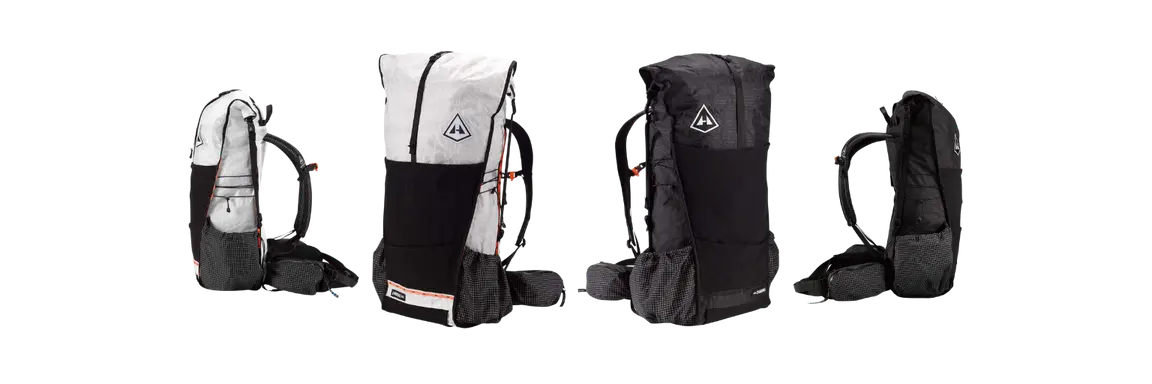
When you are standing in your living room surrounded by gear, trying to figure out what backpack will carry you through 2,000+ miles of trail, the Hyperlight Mountain Gear Unbound 40L deserves serious consideration. This is not a pack for everyone, but for the right hiker with the right approach, it solves several problems that plague thru-hikers on long trails.
Understanding the Weight Reality
The Unbound 40L weighs 29.6 ounces (839 grams) in white and size medium. To put that in perspective, you are looking at less than two pounds sitting on your back before you add anything else. For a thru-hiker counting every ounce over hundreds of miles, this matters more than you might think when you are fresh and strong at the trailhead.
Base weight is the term you will hear constantly in thru-hiking circles. It means everything in your pack except food, water, and fuel. The lighter your pack itself weighs, the more room you have in your overall weight budget for the things that actually keep you alive and comfortable. A traditional backpacking pack might weigh 4 to 5 pounds. The Unbound gives you back 2 to 3 pounds to work with. That is the difference between carrying an extra day of food comfortably or struggling up every climb.
Capacity That Works For Real Hiking
The 40-liter internal capacity sounds small if you are used to giant 65-liter packs. Here is what that actually means on trail: if you are hiking the Appalachian Trail, Pacific Crest Trail, or Continental Divide Trail with a modern ultralight setup, 40 liters handles everything you need between resupply points.
Inside the main compartment, you can fit a 20-degree quilt, a sleeping pad, your clothing system, your shelter, and your cook system with room left over. The roll-top closure adds flexibility. When you leave town with 5 days of food, you roll the top down less. When you are nearly at the next town with one dinner left, you roll it tight and compress everything down to keep it stable.
External storage changes the game. The Unbound has stretchy side pockets that swallow water bottles, snack bags, a rain jacket, or wet tent. The front mesh pocket takes your bear canister in the Sierra or extra food when you need to carry a week through remote sections. These external options mean your 40-liter pack functionally carries like a 50-liter pack without the weight penalty.
How It Feels After Mile 15
The Unbound uses a removable aluminum stay and framesheet. This is crucial information for a new thru-hiker. The frame provides structure and helps transfer weight to your hips when you are carrying 20 to 25 pounds of total weight. Below that weight, many hikers remove the frame and save another 3 ounces.
The hip belt is lightly padded and comes in sizes to match your specific waist measurement. This is not a pack that pretends your hips do not exist like some ultralight designs. When properly fitted, the hip belt takes 60 to 70 percent of your load off your shoulders. On a long day climbing elevation, that difference determines whether you finish strong or limping.
Shoulder straps are curved and padded enough to prevent digging without adding bulk. The sternum strap is adjustable and includes a whistle buckle (small detail, but useful in emergencies). The back panel sits slightly away from your body, which creates minimal airflow. You will still sweat on hot days, but it is better than a pack that suctions to your back.
After hiking 15 miles, what matters is whether anything hurts. The Unbound distributes weight well enough that pressure points do not develop if you have packed intelligently. Your shoulders should not be screaming. Your hips should not be bruised. This is the test that matters more than any spec sheet.
Dyneema Composite Fabric Explained Simply
The Unbound is built from Dyneema Composite Fabric, which people also call DCF or Cuben Fiber (the old brand name). You need to understand what this material actually does because it affects everything about how this pack performs.
Dyneema is waterproof. Not water-resistant, actually waterproof. If you drop this pack in a stream, your gear inside stays dry as long as the roll-top is sealed properly. In rain, you do not need a pack cover. Water beads up and runs off. After four months of hiking through rain, this feature alone justifies the material choice for many thru-hikers.
Dyneema is incredibly strong for its weight. The fabric resists tearing and punctures better than traditional nylon at a fraction of the weight. It does not absorb water, so your pack weighs the same in a downpour as it does in the desert.
Abrasion resistance is where you need to adjust expectations. Dyneema handles normal trail abuse well. Bushwhacking through thick brush or dragging the pack over granite slabs will eventually cause wear. The material does not tear easily, but it can develop small holes or delamination with sustained rough treatment. For most thru-hikers staying on trail, this is not an issue. For off-trail adventurers or climbers, you might want something more abrasion-resistant.
The fabric does not stretch, which keeps the pack’s shape consistent. Some hikers love this rigidity. Others miss the give that traditional pack fabrics provide. There is no right answer, just personal preference.
Organization and How You Actually Pack
The HMG Unbound backpack keeps things simple. There is one large main compartment that opens via roll-top closure. No complicated compartments, no bottom zipper, no separated sleeping bag area. Everything goes in from the top.
For a new thru-hiker, this seems limiting at first. After a few weeks on trail, most people realize simplicity is efficiency. You develop a packing system. Shelter on bottom, sleeping bag and clothes in the middle, food and frequently needed items on top. You can reach anything in under a minute.
The two stretchy side pockets are perfectly positioned for grab-and-go access while hiking. Water bottles, snacks, phone, sunscreen, whatever you need without taking off your pack. These pockets are deeper than they look. A 1-liter bottle disappears completely.
The front stretch pocket is massive. This is where the pack shines for thru-hikers. Your rain gear lives here for instant access. In the morning when you break camp, your wet tent goes in this pocket instead of inside with your dry gear. The stretch accommodates a shocking amount of volume. Some hikers carry their entire food bag here to keep the main compartment less compressed.
Internal top pocket stores small essentials like headlamp, first aid, electronics, toiletries. It keeps these items from migrating to the bottom where they become archaeology projects.
External attachment points include four daisy chain loops and ice axe loops. Most thru-hikers use these for trekking poles, although some attach foam pads or extra gear. The system is minimal but functional.
Compression and Load Stability
The Unbound has four compression straps: two on each side. These straps are critical for making a partially full pack feel secure. When you are three days from resupply and your food weight drops, you cinch these straps to prevent your load from shifting.
Load stability when hiking depends on even packing. Because there is one main compartment, you control weight distribution. Heavy items (food, water, bear canister) should sit close to your back and centered between your shoulder blades. This keeps the weight over your hips and prevents the pack from pulling you backward.
The roll-top allows infinite adjustment. Carrying a big food load? Leave it loose and do fewer rolls. Nearly empty? Roll it tight and clip it low to compress everything. This adjustability means the pack works equally well at 15 pounds or 25 pounds of total weight.
One consideration: without a brain (top lid compartment) or divided compartments, some hikers find the single-chamber design less organized than packs with more structure. This is a trade-off for weight savings. You gain simplicity and shed ounces, but you lose dedicated organization.
Cleaning and Maintenance Reality
Cleaning Dyneema is straightforward. The material does not absorb dirt or odors the way nylon does. After a thru-hike, you can wash the pack with mild soap and water using a soft brush or cloth. Rinse thoroughly and air dry. Do not put it in a washing machine or dryer. Do not use harsh chemicals.
The white or light colored Dyneema shows dirt easily, which bothers some hikers aesthetically but does not affect performance. Dark colored options hide grime better. Functionally, a dirty Dyneema pack works exactly the same as a clean one.
Repairs on trail are possible but require specific supplies. Small punctures can be patched with Dyneema repair tape, which you should carry if you are taking this pack on a long trail. The tape creates a permanent waterproof bond. Larger damage might need professional repair or creative problem-solving. Duct tape works in emergencies but is not a long-term solution for Dyneema.
The hardware (buckles, straps, cord locks) is standard gear that can be replaced if something breaks. HMG has a reputation for good warranty support if you encounter manufacturing defects.
After a thru-hike, expect your pack to show wear but remain functional. The Dyneema might have some dirt staining that does not wash out completely. Stress points like where the shoulder straps attach or where the pack rests on your hips might show slight delamination (the layers separating). This is normal wear and usually does not compromise structural integrity.
Bear Canister Reality Check
If you are hiking the Sierra Nevada section of the Pacific Crest Trail, you legally must carry a bear canister for about 200 miles. The BearVault BV500, the most common canister, fits in the Unbound’s front pocket. It rides vertically against the front of the pack, secured by the stretch mesh.
This setup works but changes how the pack carries. The canister adds bulk and shifts the center of gravity slightly forward. You adapt within a day or two. The alternative is strapping the canister on top or outside, which most hikers find less stable.
Smaller canisters like the BV450 fit even better. If you are solo hiking and can get away with less food storage, the smaller canister creates less bulk.
Weather Performance Across Climates
In rain, the Unbound excels. The waterproof Dyneema keeps everything dry without a pack cover. The roll-top closure, when properly sealed, creates a watertight entry. Some hikers add a dry bag liner inside for extra protection, but it is often unnecessary unless you are hiking in extreme sustained rain for days.
In desert conditions, the Dyneema does not absorb water, which means your pack weight stays consistent. The material reflects heat rather than absorbing it, so the pack does not become a heat trap on your back. The light color options help with this.
In snow, the pack handles cold weather well. The material stays pliable in freezing temperatures, unlike some fabrics that stiffen. If you are winter hiking or in shoulder season snow, the pack accommodates bulkier insulated clothing without issue.
Humidity does not affect the pack. In the Southeast where everything stays damp, the Dyneema dries in minutes and does not hold moisture. This prevents the musty smell and weight gain that plagues traditional packs in humid climates.
Who Should Actually Choose This Pack
The Unbound 40L works best for hikers who commit to an ultralight base weight approach. If your base weight (everything except food, water, fuel) is under 12 pounds, this pack carries that load comfortably for long days. If your base weight is 18 pounds or more, you will probably find this pack too minimalist.
Thru-hikers covering long distances benefit most. The weight savings compound over hundreds of miles. The durability holds up to continuous use. The simplicity means less that can break.
Fastpackers and trail runners doing multiday trips appreciate the low weight and streamlined design. The pack moves with you rather than feeling like a separate entity on your back.
Weekend backpackers with ultralight setups can use this pack, but the high price point might be harder to justify for occasional use. The cost-per-mile calculation works better for long-distance hikers.
When To Look Elsewhere
If you are new to backpacking and still figuring out your gear choices, starting with a less expensive pack makes sense. The Unbound costs $350 to $400 depending on options. That is a significant investment for a piece of gear you might outgrow as your system evolves.
If you prefer highly organized packs with multiple compartments, hip belt pockets, load lifters, and built-in features, the Unbound will feel sparse. This is a minimalist tool.
If you regularly carry base weights over 15 pounds, a more substantial pack with a beefier suspension system will be more comfortable. The Unbound can technically carry heavier loads, but it is not optimized for that use.
If you do a lot of off-trail travel through brush, scrambling over rocks, or bushwhacking, the Dyneema fabric might show wear faster than you would like. A burlier fabric might serve you better.
The Bottom Line For Decision Making
The HMG Unbound 40L solves specific problems for a specific type of hiker. It takes the weight off your back through smart material choices and minimal design. It carries enough gear for real thru-hiking between resupply points. It keeps your gear dry without extra equipment. It distributes moderate loads comfortably enough for long days.
What it does not do is hold your hand through the learning process. You need to dial in your gear system. You need to pack thoughtfully. You need to commit to an approach that values simplicity and weight savings.
For a beginner thru-hiker serious about going ultralight, this pack represents where you might end up after you refine your system. For an experienced hiker ready to commit to that approach, it is a tool that gets out of your way and lets you focus on walking.
The question is not whether this is the best pack ever made. The question is whether it matches how you want to hike. If you value low weight, simplicity, and proven durability for long-distance hiking, and you are willing to build your gear system around those priorities, the Unbound 40L is worth serious consideration. If you want more features, more organization, or more suspension for heavier loads, other packs will serve you better.
Your pack carries everything you need to survive and thrive on trail. Choose based on what actually matters for how you hike, not based on what sounds impressive or what someone else uses. The Unbound works brilliantly for some hikers and completely wrong for others. Figure out which type you are before you buy.