

This website uses affiliate links which may earn a commission at no additional cost to you. As an Amazon Associate I earn from qualifying purchases.
The Appalachian Trail stretches over 2,190 miles through some of the most beautiful wilderness on the East Coast. For new hikers, one of the biggest concerns is wildlife. The good news? Animal encounters are manageable when you know what to expect and how to respond. This guide covers everything you need to know about the animals you’ll meet on the trail.
Black Bears: Your Most Famous Neighbors
Black bears are the most talked-about animals on the AT, and for good reason. They live throughout the trail corridor, particularly in the Smoky Mountains, Shenandoah, New Jersey, and Massachusetts. Despite their reputation, black bears rarely pose a serious threat to hikers who follow basic precautions.
Bear behavior basics: Black bears are naturally shy and prefer to avoid humans. They’re primarily interested in food, not people. Most encounters happen because hikers improperly store food or accidentally surprise a bear on the trail.
What to do if you see a bear:
- Stay calm and don’t run (running triggers chase instincts)
- Make yourself appear large by raising your arms or hiking poles
- Speak in a firm, calm voice
- Back away slowly while facing the bear
- If the bear approaches, make loud noises and throw rocks or sticks
Food storage is critical. At shelters with bear cables or bear boxes, always use them. In areas without these amenities, hang your food at least 12 feet high and 6 feet from tree trunks, or use a bear canister in required areas. Never keep food in your tent.
The PCT method (placing food bags between two trees) works well when proper hanging trees are available. Some hikers use Ursacks (bear-resistant bags) as an alternative to traditional hanging.
Mice: The Real Nuisance
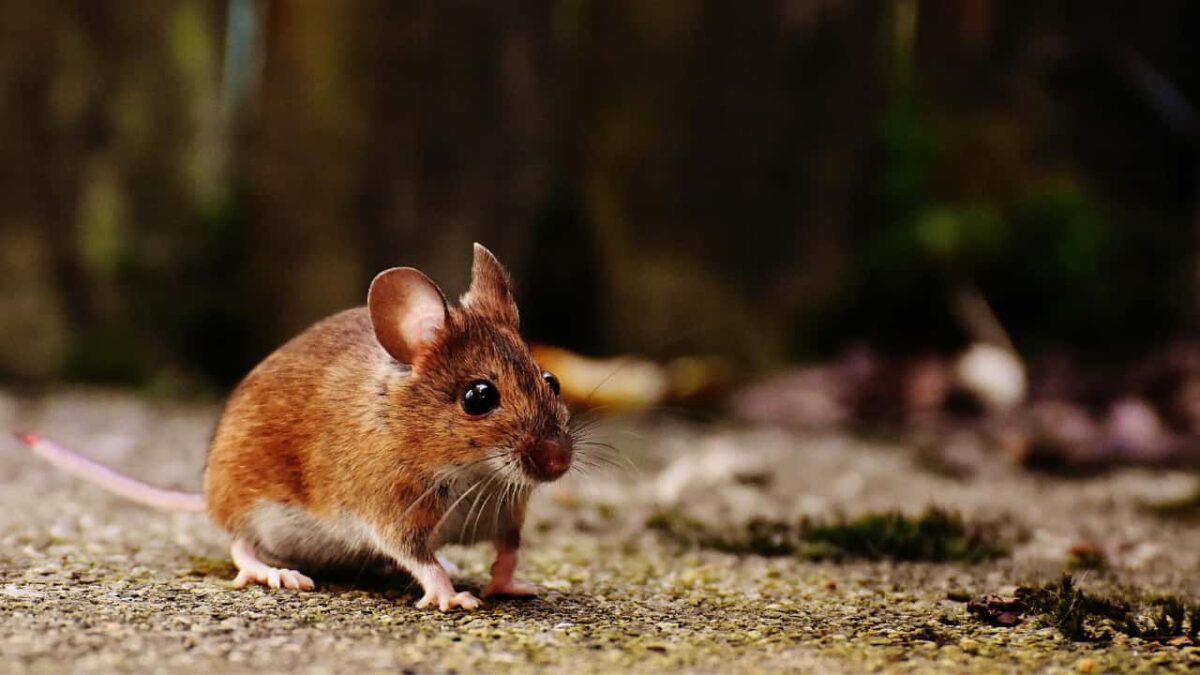
While bears get the headlines, mice are the animals you’ll actually deal with most often. Shelter mice are bold, persistent, and numerous. They’ve learned that hikers mean food, and they have no fear.
Mice will chew through:
- Backpack straps and hip belts (they love the salt from your sweat)
- Stuff sacks
- Food bags left on the ground
- Anything with food residue
Protection strategies:
- Hang everything with food smell, including your cook kit and trash
- Use the shelter’s mouse hangers if available
- Consider a small dry bag for valuable gear
- Don’t leave packs on the shelter floor overnight
- Shake out your gear in the morning
Some hikers bring a small piece of cord specifically for hanging their pack off the ground. Mice carry diseases like hantavirus, so avoid sleeping areas with heavy mouse droppings, and never handle mice or their nests.
Snakes: More Afraid Than Dangerous
The AT passes through habitat for several snake species, including venomous copperheads and timber rattlesnakes. However, snakebites are extremely rare among hikers.
Snake safety basics:
- Watch where you place your hands and feet, especially around rocks and logs
- Snakes are most active in warm weather, particularly morning and evening
- They often sun themselves on the trail in cooler weather
- If you see a snake, simply give it space and walk around it
- Never attempt to handle, harass, or kill a snake
Most snakes you encounter will be harmless species like garter snakes, black rat snakes, and water snakes. Even venomous snakes will retreat if given the opportunity. Snakes don’t want confrontation; they want to be left alone.
If bitten (incredibly unlikely), stay calm, immobilize the affected limb, and get to medical help. Remove rings or tight clothing near the bite. Don’t use a tourniquet, don’t cut the wound, and don’t try to suck out venom. These old remedies cause more harm than good.
Insects: Your Constant Companions
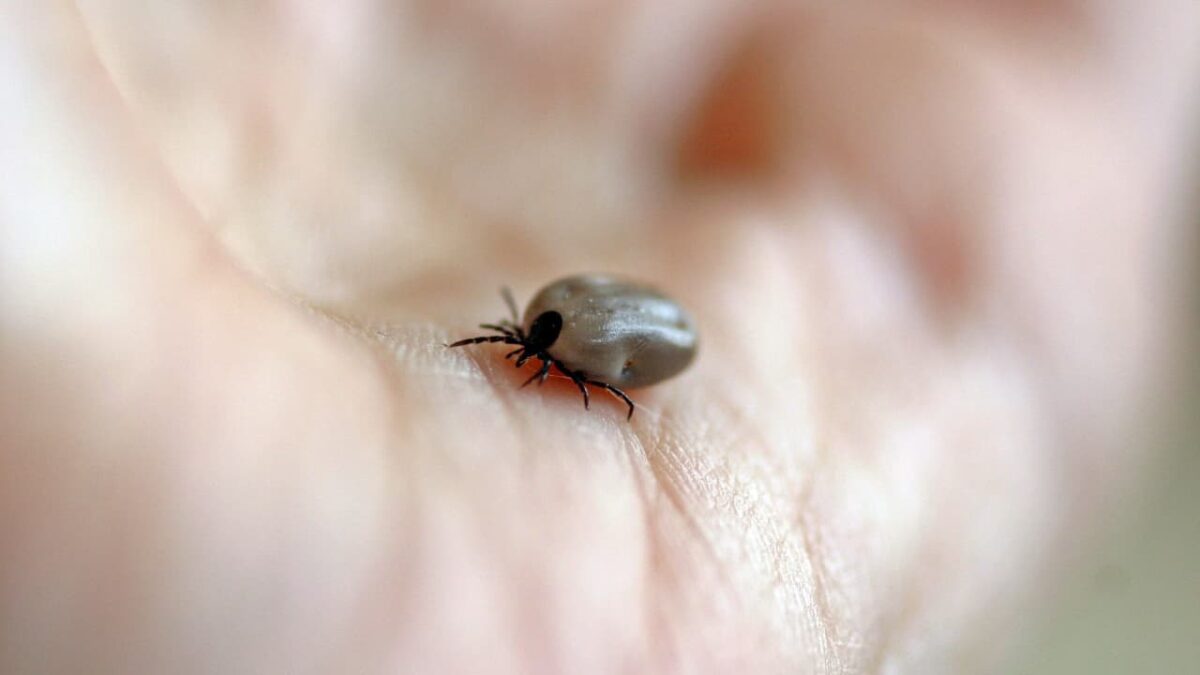
Mosquitoes, ticks, and black flies are the animals that will affect you most regularly. They’re not dangerous in the moment but require consistent management.
Tick prevention is essential because they can carry Lyme disease and other illnesses:
- Wear permethrin-treated clothing (treat your gear before your hike)
- Apply DEET or picaridin repellent to exposed skin
- Perform daily tick checks, especially behind knees, groin, armpits, and scalp
- Remove ticks promptly with tweezers, grasping close to the skin
- Save the tick in a plastic bag if you develop symptoms later
Black flies are brutal in late spring (May and early June) in New England and can drive hikers mad. A head net weighs almost nothing and provides sanity in peak black fly season.
Other Wildlife You’ll See
White-tailed deer are common and beautiful but pose little risk. The main danger is accidentally surprising them on the trail, though they typically bound away quickly.
Porcupines occasionally appear near shelters. Give them wide berth, they move slowly, and their quills are purely defensive. Never corner or threaten a porcupine.
Skunks sometimes visit shelters at night. If you see one, freeze and let it move on. Sudden movements may trigger spraying. Keep food secured so you don’t attract them.
Wild boars live in parts of the southern AT, particularly the Smokies. They’re generally more interested in rooting for food than bothering hikers, but they can be aggressive if surprised or if protecting young. Make noise while hiking to avoid surprises.
Dogs on the Trail
Loose or aggressive dogs can occasionally be an issue near road crossings and trail towns. Most trail dogs are friendly, but if you encounter an aggressive dog:
- Don’t run
- Stand still or back away slowly
- Place your pack or trekking poles between you and the dog
- Speak firmly: “No!” or “Go home!”
General Wildlife Principles
Make noise while hiking. This prevents surprise encounters with bears and other animals. Talking, singing, or using trekking poles naturally creates enough noise in most conditions.
Never feed wildlife, even chipmunks and birds. Fed animals become dependent on human food, lose their natural wariness, and become problems that may need to be relocated or euthanized.
Keep your distance. If an animal changes its behavior because of your presence, you’re too close. Use binoculars or zoom lenses for photos.
Respect sensitive times. Spring and early summer mean baby animals. Mother bears, deer, and even birds will be more protective. Give extra space and never approach young animals.
The Bottom Line
The Appalachian Trail is home to incredible wildlife, and proper preparation removes most concerns. Black bears are manageable with good food storage. Mice are annoying but avoidable. Snakes will leave you alone if you leave them alone. Ticks require daily vigilance but are easily removed.
Thousands of hikers complete the AT every year without serious animal encounters. Respect wildlife, follow Leave No Trace principles, secure your food properly, and check for ticks daily. These simple practices will keep both you and the animals safe.
The animals you’ll meet are part of what makes the trail magical. With the knowledge in this guide, you’re prepared to share the forest responsibly and safely. Now get out there and enjoy your hike.