
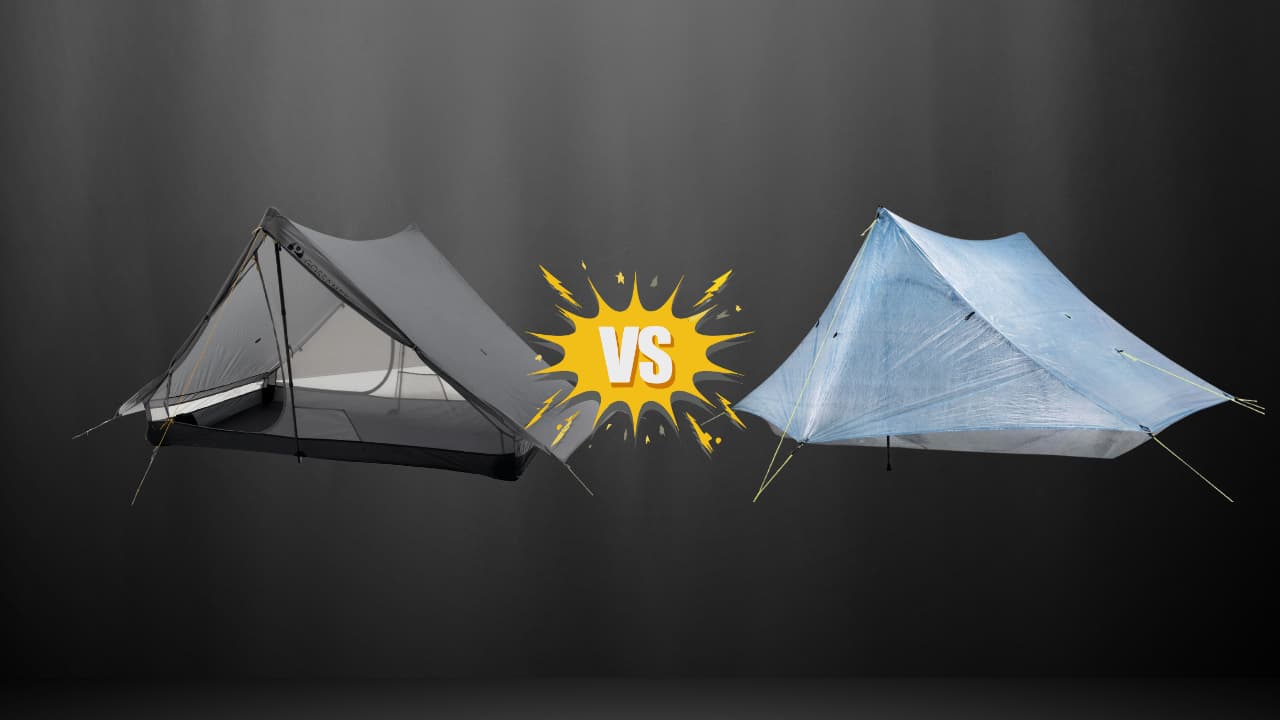
When you’re planning your first thruhike, choosing the right shelter can feel overwhelming. Two names constantly appear in trail forums and gear shakedown threads: the Zpacks Duplex and the Gossamer Gear The Two. Both are beloved ultralight shelters that sleep two people, but they take fundamentally different approaches to getting you under cover at night.
This guide breaks down everything you need to know about these two popular tents, from the fabrics they’re made of to how they perform on trail. By the end, you’ll understand which shelter aligns with your priorities, budget, and hiking style.
Understanding the Fabric: The Foundation of Your Decision
The single biggest difference between these tents is the material they’re constructed from. This choice affects everything: weight, durability, cost, and how you’ll interact with your shelter every day on trail.
Zpacks Duplex: Dyneema Composite Fabric (DCF)
The Duplex uses Dyneema Composite Fabric, often called DCF or Cuben Fiber. Think of DCF as laminated sheets of ultra-strong Dyneema fibers sandwiched between thin plastic films. The Duplex Classic uses 0.51 oz/sqyd DCF for the canopy (with a heavier 0.75 oz/sqyd option in Spruce Green) and 1.0 oz/sqyd DCF for the floor.
Key characteristics of DCF:
- Inherently waterproof with no coatings to wear out over time
- Zero water absorption, meaning it won’t gain weight when wet
- Extremely strong for its weight with high tear resistance
- Stretch-free, so your tent stays taut even in rain or humidity
- Semi-transparent, creating a unique connection with your surroundings
- PFAS-free, containing no harmful per- and polyfluoroalkyl substances
- Taped seams that require no seam sealing from you
- Crinkly texture that can be noisy in high winds
The trade-off? DCF is more delicate than traditional fabrics. While it won’t tear easily under tension, it can be punctured by sharp objects and abraded by repeated friction against rough surfaces like granite or tree bark.
Gossamer Gear The Two: Silnylon
The Two uses 10-denier silnylon, a ripstop nylon fabric impregnated with silicone. The “10-denier” refers to the thread thickness (extremely fine), while the ripstop weave creates a grid pattern that prevents tears from spreading. Both the canopy and floor use the same material with a SIL/PU coating that provides 1800mm waterproof rating.
Key characteristics of silnylon:
- Coated for waterproofing, requiring eventual recoating after years of UV exposure
- Absorbs some moisture, which can add a few ounces when saturated
- Stretches when wet, requiring occasional adjustment of guylines during rain
- More abrasion-resistant than DCF, better handling rough ground contact
- Quiet in wind, with a soft fabric drape
- Opaque, offering more privacy and darker interior
- Factory-taped seams, no additional sealing needed
Silnylon is more forgiving material. It handles ground contact better, resists punctures from twigs and sharp rocks, and bounces back from the kind of abuse that happens when you’re tired and just want to set up camp.
Weight Comparison: Ounces Matter Over 2,000 Miles
For thruhikers, every ounce counts. Here’s how these shelters stack up:
Zpacks Duplex Classic:
- Tent body: 17.9 oz (507g) in standard DCF, 19.8 oz (563g) in Spruce Green
- With stuff sack and extras: ~18.5 oz total
- Stakes required: 6-8 stakes (not included, typically 1.5-4.5 oz depending on type)
- Poles required: Two 48-inch poles (sold separately, or use trekking poles)
Gossamer Gear The Two:
- Tent body: 24 oz (680g) with seams and attached lines
- With stuff sack and extras: ~25.2 oz total
- Stakes included: 8 aluminum stakes (11g each = 3.1 oz)
- Poles required: Tent poles or trekking poles set to 125 cm (sold separately)
The bottom line: The Duplex saves you about 6-7 ounces of carried weight. Over a six-month thruhike, that difference adds up. However, you must purchase stakes separately for the Duplex, while The Two includes them.
Size and Interior Space: Room to Move
Both tents sleep two people, but their dimensions differ in meaningful ways.
Zpacks Duplex:
- Floor dimensions: 45 inches wide x 90 inches long (114 cm x 229 cm)
- Floor area: 28.1 square feet
- Peak height: 48 inches (122 cm)
- Interior volume: Spacious enough for two 20-inch wide pads with wiggle room
- Vestibule space: 24 inches deep on each side
- Footprint: 93 inches x 100 inches (requires 8.3 feet of length)
Gossamer Gear The Two:
- Floor dimensions: 48 inches wide at head, 42 inches at foot x 84 inches long
- Floor area: 26.25 square feet
- Peak height: 43 inches at ridgeline
- Interior volume: Fits two tapered 25-inch wide pads
- Vestibule space: 35 inches deep
- Footprint: 135 inches x 117 inches (requires 11.3 feet of length)
Analysis: The Duplex offers a more symmetrical floor with better length for tall hikers (anyone over 6 feet will appreciate this). The Two provides slightly more width at the head end and a significantly larger vestibule, but requires more campsite real estate. Both offer excellent headroom for sitting up.
Weather Performance: Keeping You Dry
Rain Protection: Both tents perform admirably in rain, but with different characteristics.
The Duplex’s DCF construction means immediate water shedding with zero absorption. Rain beads up and rolls off. The canopy overhangs the floor by 4-5 inches, and you can leave downwind doors open during rain without floor splash in most conditions.
The Two’s silnylon fabric also sheds water effectively, rated to 1800mm. However, silnylon absorbs a small amount of moisture during prolonged rain, adding minor weight. The fabric also sags slightly when wet, sometimes requiring guyline adjustment. The larger vestibule provides excellent gear storage out of the rain.
Wind Resistance: The Duplex’s taut, stretch-free DCF handles wind exceptionally well structurally, but the material can be noisy. The semi-transparent walls let you see conditions outside, which some find reassuring and others find alarming during storms. Zpacks recommends earplugs for windy nights.
The Two’s flexible silnylon flutters less audibly in wind. Six additional tie-out points (beyond the basic setup) let you add guylines for extreme conditions. The larger footprint can catch more wind, so site selection matters.
Condensation: This is where single-wall shelter design affects both tents equally. Both the Duplex and The Two are single-wall shelters (no separate rainfly and inner tent), which means your body moisture can condense on the interior walls during cold nights or humid conditions.
Both tents address this with excellent ventilation:
- Four independently adjustable doors
- Mesh panels for airflow
- Ability to stake corners high for maximum air circulation
You’ll still experience condensation occasionally. This is normal. A small pack towel to wipe down walls in the morning solves the issue, and both tents dry quickly during morning breaks.
Durability and Longevity: The Long Haul
Zpacks Duplex: DCF’s reputation has evolved over the years. Early versions had durability concerns, but current DCF is significantly improved. Expect the Duplex to handle one complete 2,500+ mile thruhike or many years of weekend use with proper care.
Vulnerabilities:
- Punctures from sharp objects (always check your campsite for twigs and rocks)
- Abrasion from rubbing against rough surfaces
- Stress points at stake-outs (though Zpacks reinforces these areas)
Strengths:
- Won’t tear or “run” when punctured (unlike silnylon)
- UV-resistant with no coating to degrade
- Field repairs are simple with included DCF tape
Gossamer Gear The Two: Silnylon is battle-tested technology with decades of proven performance. The 10-denier fabric is remarkably durable for its weight.
Vulnerabilities:
- UV degradation of waterproof coating over many seasons
- Potential for ripstop tears to spread if not repaired promptly
- Seam tape can peel after years of use
Strengths:
- Handles ground contact and abrasion better than DCF
- More forgiving when packed away damp
- Easier to repair with standard tent fabric patches
Verdict: If you’re naturally careful with gear and will use a groundsheet, either tent will last. If you’re harder on equipment or camp on rocky terrain frequently, The Two offers more durability margin.
Setup and Camp Life: Daily Experience
Zpacks Duplex: Setup is straightforward once you’ve practiced. The symmetrical design means you can orient it either direction. Use two trekking poles at 48 inches (122 cm) or purchase separate tent poles. Requires 6 stakes minimum (8 recommended). The tent packs to a 4.75-inch diameter roll that fits easily in most pack side pockets.
Key features:
- Overlapping storm doors (no zippers to fail)
- Rainbow zippers on mesh doors drop inside (not in your way)
- Toggles secure doors (magnetic toggles available as upgrade)
- Interior mesh pockets at each door
- Semi-transparent walls create immersive outdoor experience
Gossamer Gear The Two: Setup requires similar process with trekking poles set to 125 cm. The catenary cut (curved edges) helps achieve taut pitch. Included stakes get you started immediately. Packs to 5-inch diameter by 11 inches long.
Key features:
- Zippered vestibules with TPU waterproof zippers
- Four-door ventilation system
- Interior clothesline with movable light loop
- Two large mesh pockets
- Furling vestibule option for views in fair weather
- Reflective guylines and zipper pulls (helpful at night)
Daily difference: The Duplex’s toggle storm doors mean no zippers to freeze or fail, but less precise ventilation control. The Two’s zippers offer more adjustment options but introduce a potential failure point (though #3 TPU zippers are reliable). Both offer excellent livability.
Price and Value: Investment Analysis
Zpacks Duplex Classic: $699 Gossamer Gear The Two: $320
This $379 price difference is substantial for beginning thruhikers. Let’s contextualize it:
What you get for $699 (Duplex):
- Premium DCF construction
- 6-7 ounces less weight
- Innovative toggle door system
- Longer expected weather resistance (no coating degradation)
- Made in USA from domestic and imported materials
- Two-year limited warranty
What you get for $320 (The Two):
- Proven silnylon construction
- Included stakes and stuff sack
- Larger vestibule space
- More abrasion-resistant fabric
- Factory-taped seams
- Warranty against manufacturing defects
The value equation: The Duplex costs 2.2x more while weighing 75% as much. Whether that’s worthwhile depends on your budget and priorities. Many thruhikers who started with The Two later “upgraded” to DCF tents, while others completed entire trails with silnylon and never felt limited.
If weight is your primary concern and budget allows, the Duplex delivers. If you want proven performance at a more accessible price, The Two offers exceptional value. Neither choice will hold you back from completing your thruhike goals.
Pros and Cons Summary
Zpacks Duplex
Pros:
- Exceptionally lightweight at under 18 oz
- Stays taut in all weather (no stretch)
- Never absorbs water weight
- No coating to fail over time
- PFAS-free, environmentally conscious materials
- Longer floor accommodates taller hikers
- Smaller footprint for tight campsites
- Toggle doors eliminate zipper failure points
- Two-year warranty
Cons:
- Significantly more expensive ($699)
- Less durable against punctures and abrasion
- Can be noisy in high winds
- Semi-transparent (less privacy, brighter interior)
- Requires separate stake purchase
- Steeper learning curve for repairs
Gossamer Gear The Two
Pros:
- Budget-friendly at $320
- More durable for rough use
- Quieter in wind
- Larger vestibule for gear storage
- Comes with stakes included
- Opaque for privacy
- Easier field repairs with standard materials
- Wider at head end
- More forgiving setup
Cons:
- Heavier at 24 oz (+30% over Duplex)
- Absorbs moisture when wet
- Silnylon stretches, requiring occasional adjustment
- Coating may need reapplication after years of UV exposure
- Requires more campsite space (larger footprint)
- Slightly less headroom (43″ vs 48″)
Making Your Decision: Which Tent is Right for You?
Choose the Zpacks Duplex if:
- You’re committed to ultralight philosophy and count every ounce
- Your budget can accommodate the premium price
- You’ll use a groundsheet and are careful with gear
- You’re taller than 6 feet and need the extra floor length
- You prefer the unique semi-transparent shelter experience
- You want the longest-lasting waterproofing without reapplication
- You value the toggle door system
- You’re thruhiking and every ounce impacts your daily experience
Choose Gossamer Gear The Two if:
- You want excellent performance at a more accessible price
- You’re newer to ultralight backpacking
- You prefer maximum durability and forgiveness
- You like having gear stakes included
- You value a larger vestibule for gear management
- You want privacy and darkness inside your shelter
- You appreciate quieter fabric in wind
- You’re weekend backpacking where an extra 6 oz matters less
Consider Other Options if:
- You need a freestanding tent for platforms or rocky terrain (consider adding Duplex Flex Kit at additional cost, or different shelter entirely)
- You’re solo hiking (both brands offer one-person versions)
- You camp primarily in extreme conditions (consider four-season tents)
- You want maximum headroom (consider mid-style shelters like Zpacks Plexamid)
Final Thoughts
Both the Zpacks Duplex and Gossamer Gear The Two represent excellent choices in the ultralight two-person shelter category. The Duplex pushes the boundaries of weight savings with premium materials and innovative design, while The Two delivers time-tested performance at a price that won’t break the bank.
Your choice ultimately reflects your priorities: absolute weight savings versus budget consciousness, cutting-edge materials versus proven durability, precision engineering versus forgiving design. Neither is objectively “better”—they excel in different ways for different hikers.
Many successful thruhikers have walked the entire Appalachian Trail, Pacific Crest Trail, and Continental Divide Trail under both of these shelters. Your choice matters less than how you use it. Learn proper site selection, practice setup at home, and understand single-wall condensation management. Do these things, and either tent will serve you well through thousands of miles and countless sunrises on trail.
The real question isn’t which tent is better—it’s which tent better matches your hiking style, budget, and definition of comfort. Now you have the information to answer that question for yourself.
Happy trails, and sleep well out there.