
This website uses affiliate links which may earn a commission at no additional cost to you. As an Amazon Associate I earn from qualifying purchases.
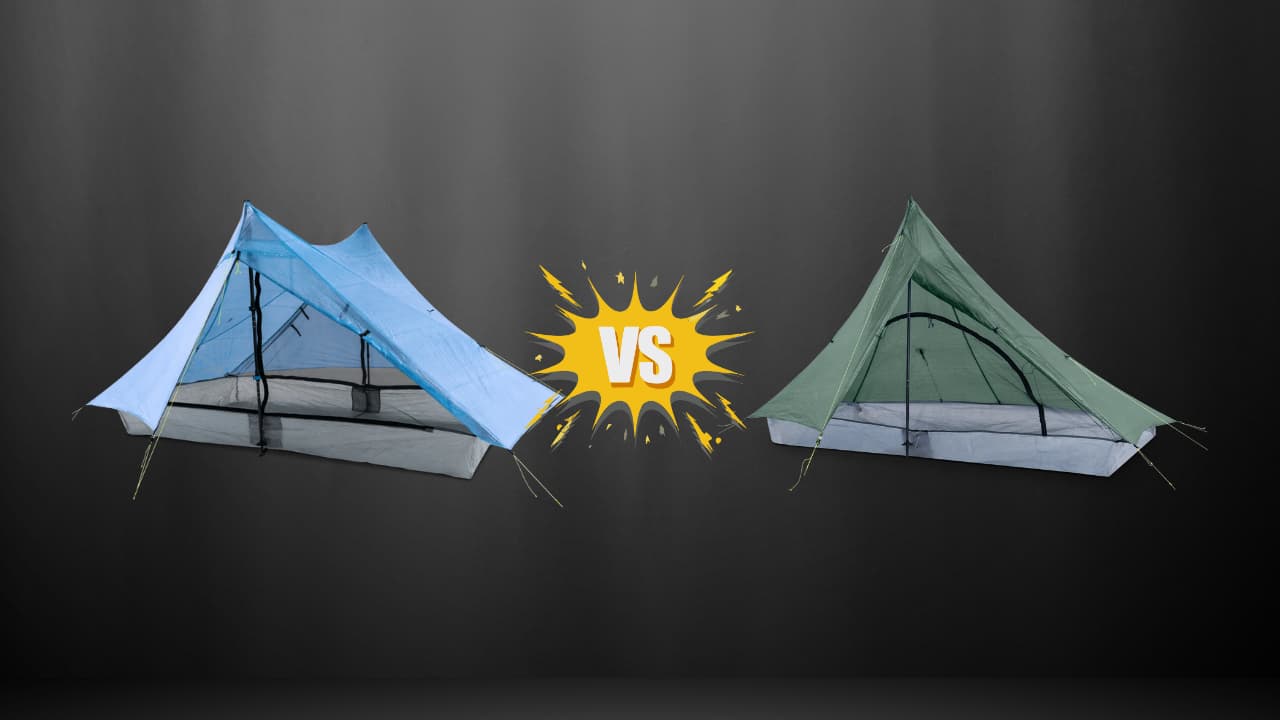
When you’re planning your first thruhike, choosing the right shelter feels overwhelming. You’ve probably heard about Zpacks from other hikers, seen them dotting the trail, and wondered what makes them so popular. Two models dominate thruhiker conversations: the Duplex and the Altaplex. Both are premium ultralight shelters, but they serve different hiking styles and needs.
This guide breaks down what makes each special, helping you understand which path fits your adventure.
Understanding the Core Difference
The fundamental distinction is simple: the Duplex is a two-person tent, while the Altaplex is designed for solo hikers. But that’s just the beginning of what sets them apart.
The Duplex: Two-Pole Versatility

The Duplex requires two trekking poles (or tent poles) for setup, creating a spacious rectangular footprint that’s beloved by thruhikers. It measures 93 inches wide including vestibules and 100 inches long, with a generous 45-inch floor width. This design earned it the distinction of being voted the most popular ultralight tent by Appalachian Trail thruhikers two years running.
Weight: Starting at 19.9 oz (563 g) in the lightest configuration, or 21.16 oz (600 g) with the standard canopy. You’ll need stakes (sold separately), so total trail weight typically ranges from 22-26 ounces depending on your stake choices.
Who it’s for: The Duplex shines whether you’re hiking solo with abundant gear space or sharing the trail with a partner. Solo hikers love having room to spread out, keep gear inside during storms, or simply enjoy the psychological comfort of extra space. For hiking duos, it comfortably accommodates two standard-width sleeping pads side-by-side with room to move.
The Altaplex: Single-Pole Simplicity

The Altaplex takes a different approach with a single center pole design that creates a pyramid shape. It requires one trekking pole adjusted to 56-58 inches (taller than standard), giving you impressive interior volume despite being a solo tent. The floor measures 40 inches wide by 90 inches long.
Weight: From 13.2 oz (374 g) with the lightest floor option to 16.5 oz (467 g) with the standard floor. With stakes, you’re looking at approximately 15-19 ounces total trail weight.
Who it’s for: This is the choice for committed solo hikers who value simplicity and weight savings above all else. If you hike alone and want to shave every possible ounce while maintaining livable space, the Altaplex delivers. It’s particularly popular with taller hikers (up to 6’5″) who appreciate the vertical room and can leverage the pyramid design’s headroom.
Setup and Footprint Considerations
Duplex Setup
The Duplex’s two-pole design creates a rectangular footprint measuring 93″ x 100″. This symmetrical layout gives you flexibility: you can enter from either end, orient it in any direction, and have vestibule space on both sides. Setup involves staking out four corners at 45-degree angles, inserting your two 48-inch poles at the peaks, and tensioning the side walls.
The benefit? You can pitch it in tighter spots than many two-person tents because of its efficient rectangular shape. The downside? You need two poles, which means two hiking poles or purchasing dedicated tent poles.
Zpacks also offers a Flex Kit that makes the Duplex semi-freestanding, perfect for camping on wooden platforms or packed-down sites where staking is difficult.
Altaplex Setup
The Altaplex’s single center pole creates a pyramid shape with a footprint of 73″ x 100″ (including vestibules). This requires a bit less ground space than the Duplex. Setup is straightforward: stake the corners, insert your single tall pole, and tension the guy lines.
The simplicity is beautiful, but there’s a catch: you need a pole that extends to 56-58 inches. Many standard trekking poles max out at 54 inches, so you might need Zpacks’ taller tent poles, their Carbon Fiber Staff, or a trekking pole jack to add height.
Living Space and Comfort
Inside the Duplex
The Duplex offers 48 inches of peak height with impressive width. Two adults can sit up comfortably at the center without touching the walls, and the symmetrical design means you can enter from either end. The floor accommodates two standard 20-inch sleeping pads with wiggle room, or one pad with acres of space for gear.
Four storm doors can be opened or closed independently, giving you tremendous control over ventilation and weather protection. In fair weather, you can open multiple doors for stargazing and breeze. When storms roll in, button everything up while maintaining some airflow through the overlapping door design.
Solo hikers often rave about the Duplex because it feels like a luxurious palace. You can store your entire pack inside, cook from your vestibule with the door open, and move around without the claustrophobia that sometimes hits in smaller tents after weeks on trail.
Inside the Altaplex
The Altaplex provides 56-58 inches of peak height at the center, impressive for a solo tent. The pyramid shape means headroom is excellent directly under the pole, though it tapers toward the edges. The 40-inch floor width fits a standard sleeping pad with room for some gear alongside you, or you can lay slightly diagonal for more space.
The two storm doors with overlapping closures give you options for ventilation and access. The single vestibule provides adequate space for storing a pack and shoes, though it’s more compact than the Duplex’s dual vestibules.
For solo hikers who don’t need sprawling space, the Altaplex hits a sweet spot between weight and livability. You can sit up, have your gear organized, and not feel cramped, but you’re definitely in a one-person shelter.
Materials and Durability
Both shelters use Dyneema® Composite Fabric (DCF), formerly known as Cuben Fiber. This material is what puts Zpacks in the premium category.
What makes DCF special:
- Inherently waterproof with no coatings that wear out
- High strength-to-weight ratio that handles wind and doesn’t tear easily
- Zero stretch so your tent stays taut all night, even when wet
- Chemical-free: no PFCs, PFAS, DWR, or flame retardants
- Taped seams that don’t require sealing
Canopy Options
Duplex: Choose from .55 oz/sqyd DCF (lighter, more translucent) or .75 oz/sqyd DCF (more opaque and durable). The floor is 1 oz/sqyd DCF.
Altaplex: Available with .55 oz/sqyd DCF canopy with .75 oz/sqyd floor (Lite version) or .75 oz/sqyd canopy with 1 oz/sqyd floor (Standard version).
Both tents are designed to last at least one complete 2,500+ mile thruhike or many years of recreational use. The floor material is durable enough that many hikers skip groundsheets entirely, though they’re available for extra protection.
Weather Performance
Duplex in the Elements
The Duplex’s two-pole design creates excellent structure in wind. The symmetrical shape and four corner guylines provide stable anchoring. You can orient the overlapping doors into the wind for maximum protection, and with proper staking, it handles storms remarkably well.
Ventilation is a strong point. The four independently controlled doors mean you can almost always find a configuration that balances airflow with weather protection. The overlapping storm doors allow some air movement even when fully closed.
Condensation management depends on conditions, but having four doors means more options for venting moisture. In humid conditions, you’ll still see some condensation (this is true of all single-wall shelters), but you can minimize it better than most.
Altaplex in the Elements
The Altaplex’s pyramid shape sheds wind naturally, though single-pole designs can see more movement in gusty conditions compared to two-pole tents. Proper staking and tensioning is crucial. The taller profile means more surface area catching wind, but DCF’s strength handles it well.
Ventilation relies on two doors instead of four. You can typically keep the downwind side open for airflow while staying protected, and the overlapping door design allows some ventilation when both are closed.
Condensation behaves similarly to the Duplex; it’s a single-wall shelter, so you’ll see moisture in humid conditions, but the two doors provide decent venting options.
Price and Value
Duplex: $699 (most configurations) Altaplex: $669
Both are premium-priced shelters, and that’s worth addressing honestly. These aren’t budget options. You’re paying for US manufacturing, cutting-edge materials, proven trail performance, and extremely low weight.
Many thruhikers justify the cost by considering the weight savings over cheaper alternatives. Carrying 10 to 15 ounces less in your shelter means less strain over 2,000+ miles. The durability also matters; these shelters last through full thruhikes while cheaper options often fail partway through, requiring replacement.
That said, excellent thruhikes happen in tents at every price point. The question isn’t whether you need a Zpacks, but whether the benefits align with your priorities.
Making Your Choice
Choose the Duplex if:
- You’re hiking solo but want maximum living space and comfort
- You’re hiking with a partner and need a lightweight two-person shelter
- You value versatility in door configurations and access points
- You want the option of semi-freestanding setup with the Flex Kit
- You prefer a lower peak height but more floor space
- Your trekking poles adjust to standard heights (48 inches)
Choose the Altaplex if:
- You’re definitely hiking solo for the foreseeable future
- Weight is your top priority and you want the lightest livable option
- You appreciate simple, minimalist design with fewer components
- You’re taller and want impressive headroom
- You have or are willing to get taller poles (56-58 inches)
- You don’t need as much interior space for gear
The Real Thruhiker Perspective
Both shelters are fixtures on major trails. You’ll see Duplexes everywhere on the AT, PCT, and CDT. The Altaplex is more common among weight-obsessed solo hikers and those who’ve graduated from tiny shelters but want to stay ultralight.
Here’s what matters most: both shelters work beautifully. Neither will fail you if you choose based on your actual needs rather than someone else’s preferences. The Duplex won’t be “too much tent” if you’re solo and value personal space. The Altaplex won’t be “too minimal” if you’re comfortable with efficient packing.
Final Thoughts
These shelters represent two different approaches to the same goal: staying dry and comfortable with minimal weight. The Duplex offers versatility and space, perfect for hikers who want room to breathe or flexibility to share. The Altaplex delivers stripped-down efficiency, ideal for solo hikers who appreciate simplicity.
Both are premium tools that work exceptionally well. Your decision ultimately comes down to whether you value space and versatility (Duplex) or minimal weight and simplicity (Altaplex). Either way, you’re getting a shelter that thousands of thruhikers trust with their safety and comfort, night after night, mile after mile.
Welcome to the trail. Your shelter is waiting.