
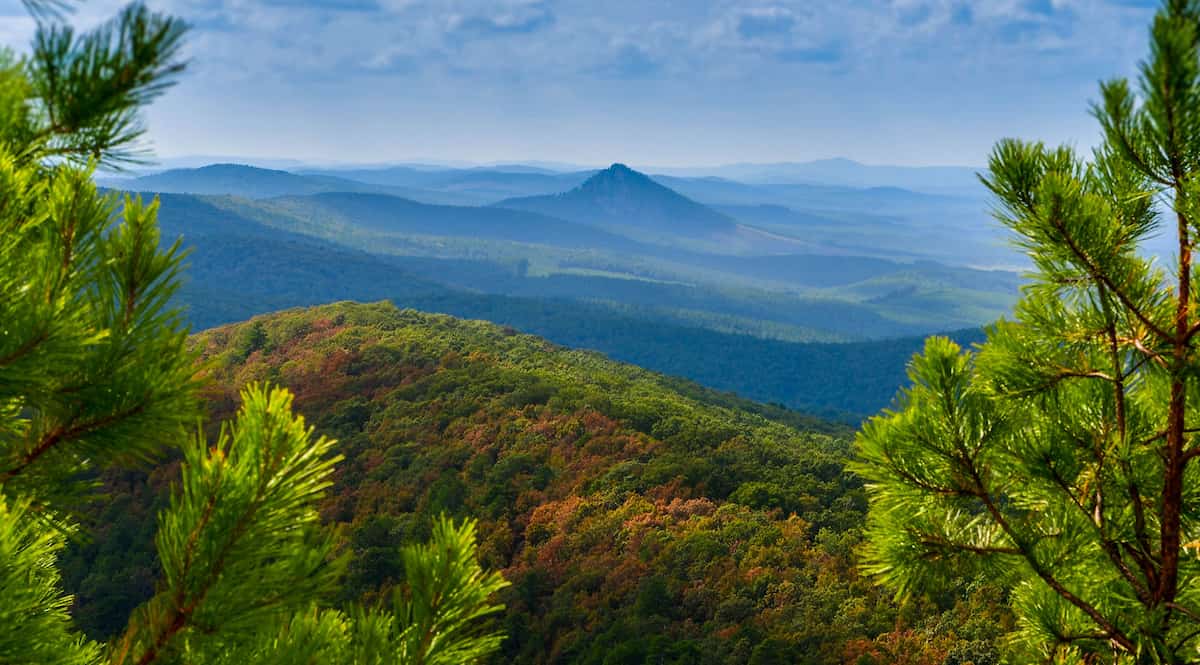
The 223-mile Ouachita Trail stretches from Talimena State Park in Oklahoma to Pinnacle Mountain State Park in Arkansas, winding through the scenic Ouachita Mountains. Unlike trails with year-round hiking seasons, the Ouachita Trail is distinctly a shoulder-season trail, meaning your timing can make the difference between an enjoyable adventure and a miserable slog. Understanding when to start your thru-hike is critical to your success and enjoyment on this remote, challenging trail.
The Prime Hiking Windows
Spring Season: March through April
The spring window, particularly March and April, offers some of the best conditions for thru-hiking the Ouachita Trail. This is when most experienced hikers choose to tackle the trail.
Early Spring (March): Starting in March gives you cooler temperatures, typically in the 60s during the day and 40s at night. Water sources are generally abundant from winter precipitation, which is crucial on a trail known for dry stretches. The vegetation hasn’t fully leafed out yet, offering better views through the forest. However, you should be prepared for occasional cold snaps and the possibility of rain.
Late Spring (April): April continues the favorable conditions but brings warmer temperatures and the beginning of wildflower season. The leaves are blooming, insects are fewer compared to summer, and trail maintainers are actively clearing away winter storm damage. The risk here is that you’re approaching the edge of the window, as temperatures can climb quickly toward the end of the month.
Fall Season: Mid-September through Early November
Fall, specifically mid-September to early November, represents the other prime hiking window. Many hikers consider this the ideal time for the Ouachita Trail.
Early Fall (September to October): October is particularly praised as a great month to hike the OT, with mild weather conditions. Temperatures are comfortable, ranging from the 60s to 70s during the day. The fall foliage adds spectacular color to the forested ridgelines. Water sources are typically reliable if there’s been adequate rainfall, though this varies year to year.
Late Fall (November): November offers the coldest fall conditions but also the greatest solitude. Ticks, mosquitoes, and other insects have largely disappeared. Poison ivy is dormant, making bushwhacking and off-trail camping safer. The trade-off is that you’ll need warmer gear and should prepare for potential freezing nights.
Why Summer Is Problematic
From July to September, weather tends to be too hot to hike comfortably, and water access points tend to dry up. The combination of heat, humidity, and bugs makes summer hiking on the Ouachita Trail genuinely unpleasant and potentially dangerous.
Temperature and Humidity: Summer temperatures regularly climb into the 90s with oppressive humidity. The Ouachita Trail runs along exposed ridgelines in many sections, offering little shade during the hottest parts of the day. Heat exhaustion becomes a real concern.
Water Scarcity: After April, temperatures can get too hot, mosquitoes are out in full swarm, and finding water becomes a challenge. Seasonal creeks dry up completely, leaving long waterless stretches that can exceed 20 miles. The trail crosses dry ridgelines where water is scarce even during wet seasons.
Insect Invasion: Ticks, chiggers, and mosquitoes reach their peak populations. You’ll need to douse yourself in permethrin and DEET, and even then, you’re likely to have uncomfortable encounters. The constant buzzing and biting can wear down your mental fortitude as much as the heat saps your physical energy.
Winter Hiking: An Option for the Experienced
The Ouachita Trail can be hiked any time between October and April, with winter thru-hikes becoming more common in recent years. Winter presents unique challenges but also unique rewards.
Winter hikers should be prepared for the possibility of subfreezing temperatures, snow, and ice. The shelters along the trail become invaluable during harsh weather. You’ll have incredible solitude, as few other hikers venture out during this season.
The western portion of the trail, particularly the first 70 miles, becomes treacherous when wet or icy. The rocky terrain demands careful footing even in dry conditions, and ice can make it genuinely dangerous. Consider bringing winter traction devices like microspikes if hiking December through February.
The Critical Water Factor
Water availability varies dramatically by season and recent weather patterns, making this one of the most important factors in timing your hike.
Wet Season Advantages: For the most part, hikers can count on encountering a water source every 5 to 10 miles along the trail during wetter periods. Spring and late fall typically offer the most reliable water.
Problem Areas: From Talimena State Park to Big Cedar Creek (approximately 30 miles), there are sources at Bohannon Creek and Horsethief Springs that are generally reliable but can dry up. If hiking during dry periods, you may need to cache water at Deadman Gap, Holson Valley shelter, or Winding Stair trailhead.
The trail runs high along ridgelines in many sections, meaning even during wet weather, water can be scarce for miles. Always check current trail conditions and recent weather patterns before departing. Contact Friends of the Ouachita Trail (FoOT) or check recent trip reports for updated water information.
East versus West: Does Direction Matter?
Unlike some trails with a clear directional advantage, the Ouachita Trail works well in both directions. Your choice often comes down to logistics rather than hiking experience.
Westbound (East to West): Starting at Pinnacle Mountain State Park near Little Rock gives you easier access via a major airport and city services. The eastern section is flatter and less technical, allowing you to ease into the trail. However, you’ll finish at the more remote Talimena State Park, requiring shuttle arrangements back to civilization.
Eastbound (West to East): Starting at Talimena means tackling the most challenging terrain first, the rocky and rugged western sections. Many hikers prefer getting the hard miles done early while they’re fresh and motivated. Finishing near Little Rock makes exit logistics simpler, with easy access to airports, bus services, and hotels.
The elevation profile doesn’t favor one direction dramatically over the other. Both directions involve constant ascents and descents through the rolling Ouachita Mountains.
Planning Your Start Date
Early Season Starters (Late February to Early March): You’ll have maximum solitude, cooler temperatures, and abundant water. However, you risk encountering winter storms, freezing rain, and potentially icy trail conditions on the western sections. Pack extra warm layers and have contingency plans for severe weather.
Peak Season Starters (Mid-March to April): This is the most popular window for good reason. Conditions are generally ideal, with comfortable temperatures and reliable water. You’re more likely to encounter other thru-hikers, though the trail remains relatively uncrowded compared to famous trails like the Appalachian Trail.
Fall Starters (September to October): You’ll experience beautiful foliage, comfortable temperatures, and fewer bugs than spring. However, water reliability depends heavily on recent rainfall. Check drought conditions before committing to a fall start.
Late Season Starters (November): Expect cold nights, potential frost, and the earliest signs of winter weather. The reward is near-total solitude and the absence of bugs. Bring your cold-weather sleep system and be prepared to hunker down in shelters if storms roll through.
Weather Considerations
The Ouachita Mountains experience genuine four-season weather with dramatic variability. The trail is subject to weather extremes, including strong thunderstorms, subfreezing temperatures, ice and snowstorms, and hot, muggy conditions.
Spring Storms: March and April can bring severe thunderstorms, including the possibility of tornadoes. The region sits in Tornado Alley’s southern edge. Monitor weather forecasts and know where shelters are located for emergency refuge.
Fall Weather: September through November generally offers more stable weather patterns, though early winter storms can surprise late-season hikers. Cold fronts can drop temperatures 30 degrees in a matter of hours.
Temperature Swings: Be prepared for 40-degree temperature swings between day and night during shoulder seasons. Layer systems and versatile gear are essential.
Making Your Decision
Choose spring (March to April) if you want optimal water availability, moderate temperatures, and don’t mind occasional rain or cold snaps. Choose fall (September to November) if you prefer stable weather, stunning foliage, and minimal bugs, but verify water conditions beforehand.
Avoid summer entirely unless you’re specifically training for heat endurance. Consider winter only if you’re an experienced cold-weather hiker comfortable with technical terrain in icy conditions.
Most importantly, remain flexible. Check trail conditions reports from Friends of the Ouachita Trail, recent trip reports, and current weather forecasts. The difference between a successful thru-hike and a struggling survival march often comes down to choosing the right two-week window within these broader seasons.
The Ouachita Trail rewards those who time it right with solitude, natural beauty, and a genuine wilderness experience. Pick your season wisely, and this underrated gem will deliver memories that rival any of America’s more famous long trails.