

This website uses affiliate links which may earn a commission at no additional cost to you. As an Amazon Associate I earn from qualifying purchases.
If you’ve started researching thruhiking gear, you may have noticed packs that look more like a running vest than a traditional backpack. That’s no accident. Vest-style shoulder straps wrap closer to your chest and collarbone, almost like a soft trail-running vest, rather than sitting wide on your shoulders the way classic backpack straps do.
Traditional backpack straps are thick, padded, and set wide apart. They’re designed to distribute weight and keep the load stable on your back. Vest straps, by contrast, are typically slimmer, more flexible, and angled inward, hugging the front of your torso more naturally. Many vest-strap packs also include front pockets built directly into the straps, giving you fast, on-the-move access to your phone, snacks, or maps without ever taking your pack off.
Where Did Vest Straps Come From?
The vest strap concept didn’t originate in the backpacking world. It was borrowed from ultramarathon and fastpacking, sports where runners carry a small amount of gear at speed and need their arms to move freely without the pack bouncing or restricting airflow.
Trail running vests had been perfected over years of endurance racing: lightweight, breathable, close-fitting. The question eventually became: can this design work for multi-day hiking with a heavier load?
The Packs That Brought It to the Trail
Mountainsmith Zerk: The Early Pioneer
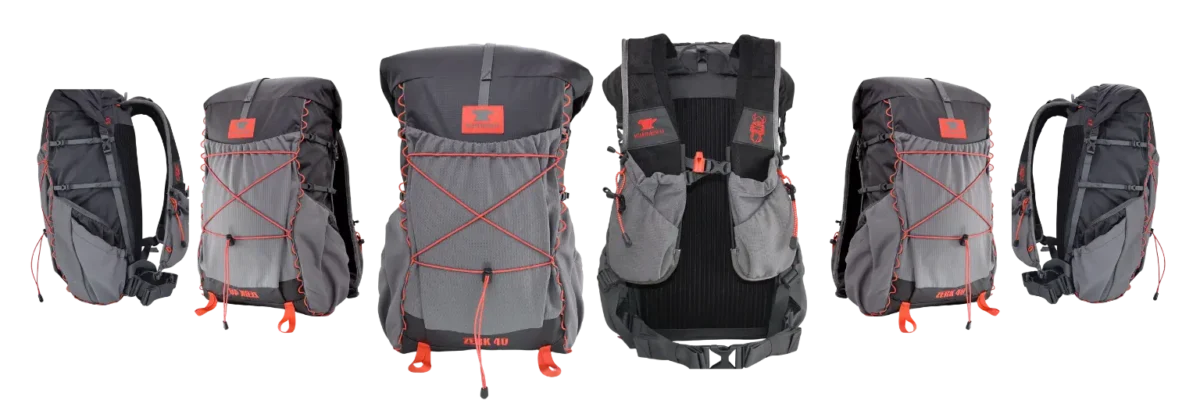
One of the first backpacking packs to experiment with a true vest-inspired harness was the Mountainsmith Zerk. Released years before vest straps became a common conversation, the Zerk was well ahead of its time, applying the close-fitting, chest-hugging geometry of fastpack vests to a legitimate multi-day hiking pack. Many hikers at the time found it unusual; the strap system didn’t look or feel like anything they had used before.
But for those who tried it, something clicked. The pack felt more connected to the body. Lateral sway was reduced. Breathing felt less restricted. And the front pockets changed how hikers interacted with their gear on the move. The Zerk planted an important seed, proving that vest-inspired geometry had a place beyond the ultramarathon course.
Zpacks Super NERO: Bringing It More Mainstream

Fast forward to more recently, and the conversation around vest straps has exploded, largely thanks to the Zpacks Super NERO. Zpacks is one of the most respected names in ultralight thruhiking, known for their Ultra and Dyneema packs and used by serious long-distance hikers on trails like the Appalachian Trail, Pacific Crest Trail, and Continental Divide Trail.
The Super NERO takes the vest strap concept and applies it to a full ultralight thruhiking platform. The result is a pack that loads close to the body, dramatically reduces the sensation of the pack pulling away from your back, and features integrated front pockets for instant access to anything you need during long hiking days. For the thruhiking community, this was a signal: vest straps aren’t a gimmick, they’re a legitimate evolution in pack design.
Why Thruhikers Are Actually Making the Switch
So why does the strap shape matter so much? A lot has happened due to general baseweight lowering due to gear advancement, but here’s some other things also driving the shift:
1. Reduced Pack Sway A pack that swings side to side with every step wastes your energy and throws off your balance, especially on uneven terrain. Vest straps pull the load in tighter, keeping weight centered and stable with less effort from you.
2. Better Airflow (Counterintuitively) You might assume a strap that hugs your chest would be hotter. But because vest straps are typically thinner and made from breathable mesh materials, many hikers find them cooler than thick padded straps that press fabric flat against their skin.
3. Front Pocket Accessibility This is a huge quality-of-life feature on trail. With front-mounted pockets, you can grab your phone to check the map, snack without stopping, or access your sunscreen in seconds. On a thruhike, where you’re moving 8–12+ hours a day, small conveniences compound into massive time and energy savings.
4. Freedom of Movement Traditional wide-set straps can restrict your arm swing and shoulder rotation. Vest straps, set closer together at the chest, free up your shoulder and arm movement, something that matters especially on technical terrain or long days when fatigue sets in.
5. Pack-to-Body Connection Long-distance hikers often describe vest-strap packs as feeling like they’re “wearing” the pack rather than “carrying” it. That closer connection between pack and torso reduces the mental and physical effort of stabilizing your load.
Is a Vest Strap Pack Right for You as a Beginner?
It depends on how you plan to hike. Vest-style packs tend to work best with lighter loads, typically under 25–30 lbs, which aligns well with the ultralight philosophy many thruhikers choose to pursue. If you plan to carry a heavy traditional load, a wide hipbelt-heavy pack may still serve you better.
But if you’re moving toward lightweight or ultralight thruhiking, a vest-strap pack could genuinely change how comfortable and efficient your miles feel. Starting with fit in mind, and understanding why the design works, puts you miles ahead before you even step on trail.
The vest strap trend is still growing. As more thruhikers adopt lighter base weights and faster daily miles, expect this style of harness to become even more common on long-distance trails.