
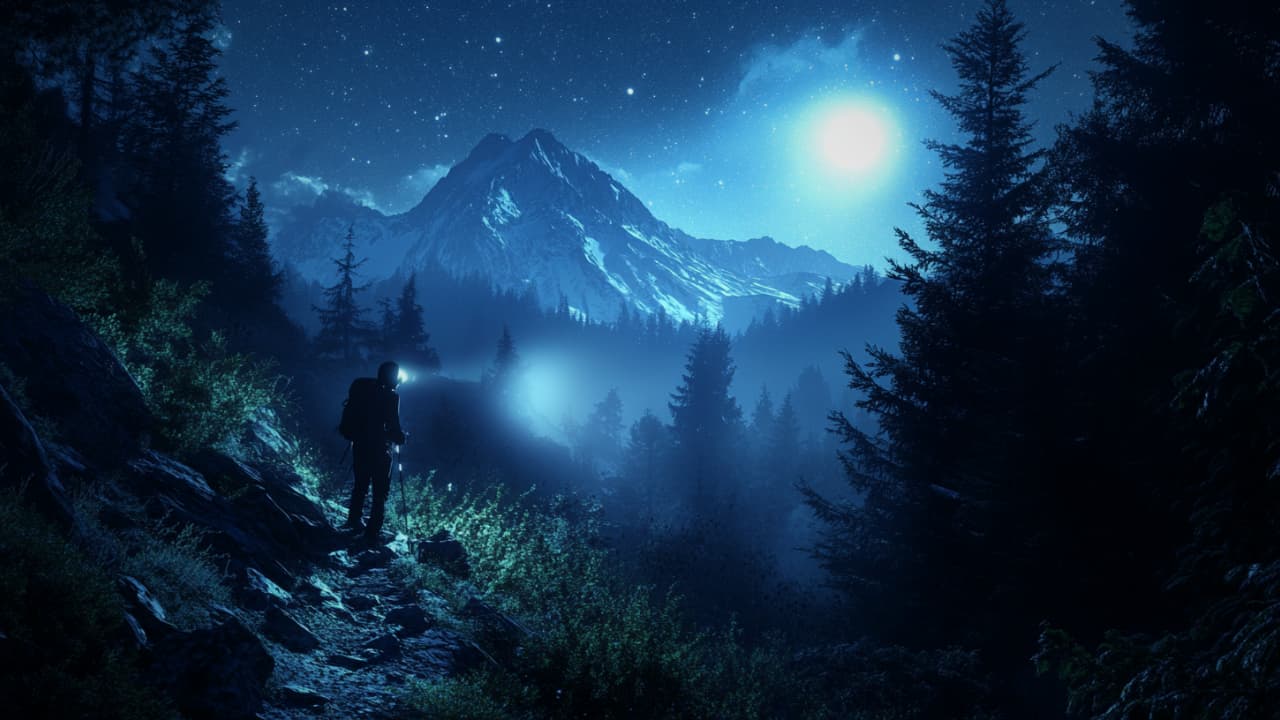
Night hiking might sound intimidating at first, but for many thruhikers, walking under the stars becomes one of the most rewarding parts of their journey. Whether you’re looking to escape scorching afternoon temperatures, avoid crowded trail sections, or simply experience the wilderness in a completely different light (or lack thereof), night hiking offers unique opportunities that daytime trekking can’t match.
What Is Night Hiking?
Night hiking is exactly what it sounds like: hiking after sunset and before sunrise. For thruhikers attempting long-distance trails like the Appalachian Trail, Pacific Crest Trail, or Continental Divide Trail, night hiking isn’t just an occasional adventure—it can become a regular strategy for covering more miles, managing challenging conditions, or finding solitude on busy trails.
Unlike casual evening strolls, thruhiker night hiking often involves covering significant distances in complete darkness, typically relying on headlamps or flashlights to navigate the trail ahead.
Why Thruhikers Choose Night Hiking
Beating the Heat
In desert sections or during summer months, daytime temperatures can soar above 100°F. Heat exhaustion and dehydration become serious concerns. Many thruhikers adopt a “night hiking schedule” during these stretches, sleeping through the hottest parts of the day and moving during cooler evening and early morning hours. This strategy can be the difference between miserable, dangerous hiking and actually enjoying your trek.
Avoiding Crowds
Popular trails can feel like highways during peak season. Night hiking offers peaceful solitude that’s increasingly rare on heavily-trafficked routes. You’ll have campsites, water sources, and viewpoints largely to yourself. For introverts or those seeking a more meditative experience, the quiet darkness provides exactly that.
Maximizing Daylight Miles
Some thruhikers use night hiking to extend their hiking window, starting before dawn or continuing after sunset to squeeze in extra miles. This approach, sometimes called “hiking your own hike,” allows for more flexibility in reaching specific campsites or town stops.
A Different Trail Experience
The trail transforms at night. Nocturnal wildlife emerges, stars blanket the sky in ways you’ve never seen from the city, and familiar terrain takes on mysterious new dimensions. Many thruhikers report that some of their most memorable trail moments happened in darkness.
Benefits of Night Hiking
Temperature Control: Nighttime temperatures can be 20-30°F cooler than midday, making physical exertion more comfortable and reducing water needs.
Stunning Night Skies: Away from light pollution, you’ll witness the Milky Way, meteor showers, and star-filled skies that leave you breathless.
Enhanced Focus: With limited visibility, you become more present and attentive to each step, creating a meditative, almost zen-like hiking experience.
Wildlife Encounters: You might spot owls, bats, deer, and other creatures that rarely appear during the day.
Privacy: Fewer people means less pressure to maintain a certain pace and more freedom to hike your own hike.
Drawbacks and Challenges
Safety Concerns: Limited visibility increases the risk of trips, falls, and getting off-trail. Rocky or root-covered terrain becomes more treacherous.
Navigation Difficulties: Even well-marked trails can be harder to follow in darkness. Trail blazes and cairns are easier to miss, and wrong turns become more likely.
Wildlife Risks: While most animals avoid humans, predators like mountain lions and bears are more active at night. In some regions, snakes on the trail become a concern.
Equipment Dependency: Your headlamp becomes absolutely critical. Battery failure in the backcountry can leave you stranded.
Mental Challenge: Some people find night hiking unsettling or scary. Strange sounds and limited visibility can trigger anxiety, especially when hiking solo.
Reduced Scenic Views: You’ll miss daytime vistas, wildflowers, and scenic overlooks that make thruhiking special.
Essential Night Hiking Gear
Headlamp: Invest in a reliable, bright headlamp with fresh batteries. Carry backup batteries and consider a spare light source.
Reflective Markers: Some hikers attach reflective tape to their pack or trekking poles to increase visibility to others.
Navigation Tools: Even if you typically don’t use them, carry a GPS device or downloaded maps on your phone for nighttime navigation verification.
Extra Layers: Temperatures drop after sunset. Pack an insulating layer that’s easily accessible.
Safety Items: A whistle and fully charged phone for emergencies are non-negotiable.
Night Hiking Safety Tips for Beginners
Start Small: Don’t attempt your first night hike on a challenging 15-mile section. Begin with short evening or pre-dawn hikes to build confidence and learn your pace in darkness.
Know Your Trail: Night hiking on familiar terrain is significantly safer than tackling new sections after dark. Scout the route during daylight when possible.
Tell Someone Your Plans: Always inform someone of your intended route and timeline when night hiking.
Watch Your Step: Slow down. Hiking at night takes longer than daytime travel. Rushing leads to injuries.
Preserve Night Vision: Use your headlamp’s red light setting when checking maps or in camp to maintain night vision. Point your lamp down at the trail, not up at the sky.
Stay on Trail: Never shortcut or wander off-trail at night. The consequences of getting lost are magnified in darkness.
Listen Carefully: Your ears become more important than your eyes. Pay attention to sounds around you—running water, animal movements, or other hikers.
Be Seen: If you’re hiking where others might be present (near campsites or popular sections), make sure you’re visible to avoid startling people.
When to Avoid Night Hiking
Certain conditions make night hiking unnecessarily risky for beginners:
- Severe weather: Storms, heavy rain, or high winds
- Unfamiliar terrain: Technical sections, scrambles, or areas with significant exposure
- Poor physical condition: When you’re exhausted, dehydrated, or injured
- Known wildlife activity: Areas with recent predator sightings or warnings
- Very remote sections: Where help is many hours or days away
Final Thoughts
Night hiking isn’t for everyone, and that’s perfectly okay. But for thruhikers willing to step out of their comfort zone, it opens up entirely new dimensions of the trail experience. The key is approaching it gradually, prepared, and respectfully—respecting both the wilderness and your own limitations.
Start with short twilight hikes. Invest in quality lighting. Listen to your instincts. And who knows? You might discover that some of your favorite trail memories happen long after the sun goes down.
The trail doesn’t end at sunset—sometimes, that’s when the real adventure begins.