

This website uses affiliate links which may earn a commission at no additional cost to you. As an Amazon Associate I earn from qualifying purchases.
So you want to thru-hike, but your bank account is giving you anxiety? You’re not alone. The dream of spending months in the wilderness seems financially impossible to many aspiring hikers. But here’s the truth: thousands of people with average incomes complete thru-hikes every year. With proper planning and strategic saving, you can make it happen too.
Understanding the Real Costs
Before you start saving, you need to know what you’re saving for. Most thru-hikers spend between $4,000 and $9,000+ for a complete 6 month trail experience. This may include pre-trail gear purchases as well as on-trail expenses like food, resupply, lodging, and those inevitable town treats.
Your specific costs will depend on your hiking style. Budget hikers who rarely stay in town and cook their own meals might spend closer to $3,000. Comfort-oriented hikers who enjoy hostels, restaurant meals, and regular town stops might spend $10,000 or more. Neither approach is wrong, but knowing your style helps you set realistic savings goals.
The 12-Month Savings Plan
Start planning at least one year before your intended start date. This gives you time to save methodically without financial strain. Break your savings goal into monthly chunks. If you need $6,000 and have 12 months, that’s $500 per month. Sounds more manageable already, right?
Open a separate savings account specifically for your thru-hike. Name it something inspiring like “PCT Fund” or “Trail Dreams.” Seeing that balance grow provides motivation during the grind of extra work shifts or skipped restaurant meals.
Set up automatic transfers from each paycheck. Treat your thru-hike savings like a non-negotiable bill. Even $100 per paycheck adds up quickly. If you get paid bi-weekly, that’s $2,600 in a year before you make any other changes.
Eliminating Monthly Expenses
This is where serious savers gain ground. Six months before your hike, start systematically eliminating recurring costs:
Cancel subscription services. Streaming platforms, gym memberships, monthly beauty boxes, and app subscriptions can easily total $100-300 monthly. You won’t need them on trail, so cut them early and bank that money.
Downsize or eliminate your vehicle. This is huge. If you can sell your car and use public transit, carpool, or bike for your pre-trail months, you’ll save on insurance, gas, maintenance, and payments. Some hikers save $400-600 monthly this way. If selling isn’t possible, at least switch to liability-only insurance and drop unnecessary coverage.
Move back home or find cheaper housing. Not glamorous, but effective. Living with family or friends for 3-6 months before your hike can save thousands. Alternatively, find a roommate situation or sublet a cheap room. Some hikers even start “stealth camping” legally on public lands to minimize housing costs while working nearby.
Reduce your phone plan. You don’t need unlimited data when you’re about to spend months without service. Switch to a basic plan or prepaid option. Better yet, suspend your service for the trail duration with most carriers keeping your number active for $10-15 monthly.
Tackling Debt Strategically
Should you pay off debt before hiking? It depends. High-interest credit card debt (anything over 15% APR) should be your priority. That interest keeps working against you even while you’re hiking, and coming home to bigger debt kills post-trail motivation.
Student loans with low interest rates and income-based repayment options are different. Many hikers defer these during their hike. Contact your loan servicer about deferment or forbearance options at least 60 days before your start date. Document everything in writing.
Credit card strategy: If you carry balances, focus on paying them down before your hike. However, having one or two credit cards with zero balances before you leave is smart. They’re useful for emergencies and many hikers use rewards cards to offset gear purchases.
Earning Extra Income
Side hustles are your secret weapon. The gig economy makes it easier than ever to boost income without long-term commitments:
Seasonal work pays well and builds trail-relevant skills. Ski resorts, summer camps, outdoor retail shops, and parks often hire temporarily. These jobs sometimes include housing, which supercharges your savings.
Overtime at your current job is straightforward income. If your employer offers it, volunteer for every available hour during your savings period.
Sell your stuff. Seriously evaluate what you own. That camera equipment you never use? Sell it. Books gathering dust? Sell them. Furniture you’ll put in storage anyway? Sell it. Many hikers fund 20-30% of their hike by downsizing their lives. Use Facebook Marketplace, eBay, or local consignment shops.
Freelance or gig work based on your skills works around your schedule. Writing, graphic design, tutoring, dog walking, food delivery, or task services like TaskRabbit can add $200-1,000 monthly depending on your hustle level.
Smart Gear Purchasing
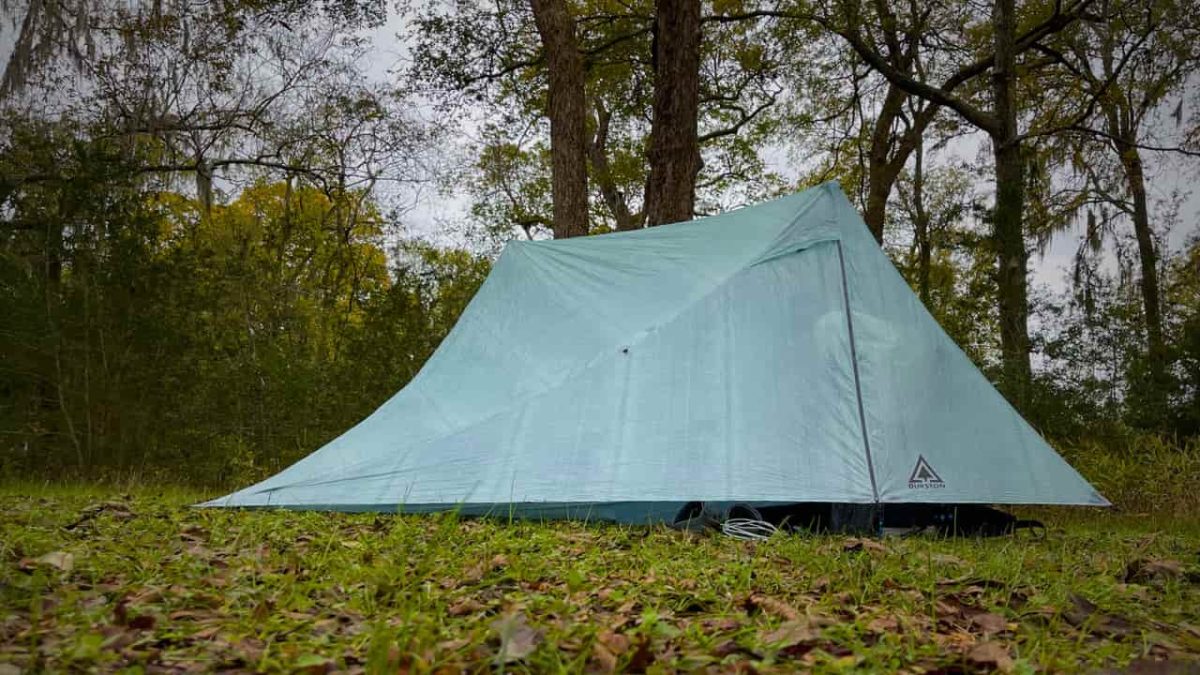
Gear is typically your biggest upfront cost at $1,000-3,000 depending on what you already own. Here’s how to minimize this expense:
Start with what you have. Don’t buy anything until you’ve inventoried existing gear. That old backpack might work for your first hundred miles while you figure out what you actually need.
Buy used gear. Facebook groups, Reddit forums, and sites like GearTrade offer quality used equipment at 40-60% off retail. Experienced hikers constantly upgrade, so their gently used gear becomes your treasure.
Purchase gradually. Buy gear over 6-12 months to spread costs. This also lets you catch sales. Sign up for email lists from outdoor retailers and jump on deals during Black Friday, end-of-season clearances, and holiday sales.
Cottage industry brands often provide better value than big-name brands. Companies like Gossamer Gear, Six Moon Designs, and Enlightened Equipment offer high-quality lightweight gear at reasonable prices.
Borrow expensive items you’ll only use once. Some hikers borrow bear canisters from ranger stations or rent them for specific sections rather than buying.
Building Your Trail Budget
Beyond gear, you need on-trail funds. Most hikers expect to budget $1,000-1,500 per month on trail. This covers:
Food and resupply: $200-400 monthly depending on whether you maildrops or buy as you go. Grocery store resupply is usually cheaper than pre-packaged maildrops.
Lodging: $150-400 monthly. Budget hikers might spend one night per month in town, while others stay in hostels weekly.
Transportation: $100-200 monthly for shuttles, buses, and rides to and from trailheads.
Gear replacement and repairs: $50-150 monthly. Shoes wear out, things break, and you’ll discover needs you didn’t anticipate.
Phone and communication: $10-50 monthly if you suspend your plan or use prepaid options.
Buffer fund: Always add 20% extra for unexpected costs. Injuries, weather delays, or family emergencies happen.
Health Insurance and Medical Costs
Do not hike without health insurance. If you’re quitting your job, explore these options:
COBRA coverage lets you continue your employer’s insurance for up to 18 months, but it’s expensive since you pay the full premium.
Healthcare marketplace plans through healthcare.gov often cost less than COBRA. Open enrollment is typically November-December, but quitting your job qualifies you for special enrollment.
Medicaid might cover you if your income drops sufficiently. Requirements vary by state.
Catastrophic plans are available if you’re under 30 or qualify for hardship exemptions. They’re cheap but only cover major medical events.
Budget $200-400 monthly for health insurance premiums if you’re buying your own coverage.
Mental Accounting and Trail Mentality
Here’s something experienced hikers learn quickly: the less you spend, the longer you can stay out. Every $30 hotel room is another day you could hike. Every $15 restaurant burger is several days of trail food.
This doesn’t mean suffering through your hike. It means being intentional about spending. Splurge on things that matter to you, whether that’s good food, comfortable lodging, or quality gear. Just make those choices consciously rather than defaulting to convenience.
Track your spending during the first few weeks on trail. Most hikers are shocked by how quickly costs add up. Awareness helps you adjust habits early rather than running out of money halfway through.
When to Start Your Hike
Your start date affects your budget. Starting a thru-hike during peak season often means higher costs for lodging and shuttles, but better weather and more trail community support. Shoulder season hiking can save money but requires more experience and preparation.
Consider your financial timing. Starting in spring might mean you’ll need housing and income through winter. Starting in summer might let you work seasonal summer jobs first, then hike into fall.
Final Reality Check

Affording a thru-hike requires sacrifice and discipline, but it’s absolutely achievable. You’re not buying a luxury item; you’re investing in an experience that will change your perspective on what you actually need to be happy.
Start planning today. Open that savings account. Cancel one subscription. Sell something you don’t need. Small actions compound into big results.
Thousands of people just like you are walking trails right now because they made a plan and stuck to it. Your trail dreams don’t require a trust fund, just commitment and smart financial planning.
The mountains are waiting. Start saving, and soon you’ll be walking toward them.