
This website uses affiliate links which may earn a commission at no additional cost to you. As an Amazon Associate I earn from qualifying purchases.
When you’re planning a thru-hike, choosing a backpack becomes one of those decisions that keeps you up at night. You need something light enough that you’re not cursing it by mile five, but tough enough to survive thousands of miles of abuse. The ULA Circuit has earned its reputation as one of the most common packs on the Pacific Crest Trail for a reason, and it’s not because of flashy marketing. It’s because the pack does exactly what long-distance hikers need it to do, day after day, without falling apart or breaking your back.
This guide breaks down what you actually need to know about the Circuit if you’re planning your first thru-hike or looking to upgrade from a heavier pack. No marketing speak, just the practical details that matter when you’re living out of a backpack for months.
Understanding the Weight
The Circuit weighs 41 ounces in its standard Robic nylon version (the newer Ultra fabric version drops to about 33 ounces). For context, that’s roughly 2.5 pounds sitting on your back before you add a single piece of gear.
This weight puts the Circuit in a specific category. It’s not an ultralight frameless pack that weighs under a pound, but it’s also nowhere near traditional backpacking packs that can hit 5 or 6 pounds empty. The Circuit includes an internal frame (carbon fiber stays with aluminum crossbar) that adds structure and support. You’re carrying that extra weight for a reason: comfort when your pack is loaded.
The recommended load capacity is 35 pounds. This is the sweet spot where the suspension system works as designed. Push beyond this and the pack starts to feel less stable, the frame doesn’t distribute weight as effectively, and you’ll notice the strain on your shoulders and hips. Many hikers report carrying up to 40 pounds in the desert sections of trails when hauling extra water, but the pack performs best when you stay closer to that 35-pound mark.
What this means practically: if your base weight (everything except food and water) sits around 12 to 15 pounds, you have room for 20 to 23 pounds of consumables. That’s plenty for most resupply intervals on major trails. The Circuit isn’t built for winter mountaineering with heavy gear, nor is it designed for true ultralight hikers who’ve trimmed their base weight down to 8 pounds. It fits the middle ground where most thru-hikers actually live.
Space: How It Holds Your Life
The Circuit offers 68 liters of total capacity. That number includes the main compartment plus all external storage. For thru-hiking, this is genuinely spacious. Some experienced hikers even call it too big, but that flexibility becomes valuable.
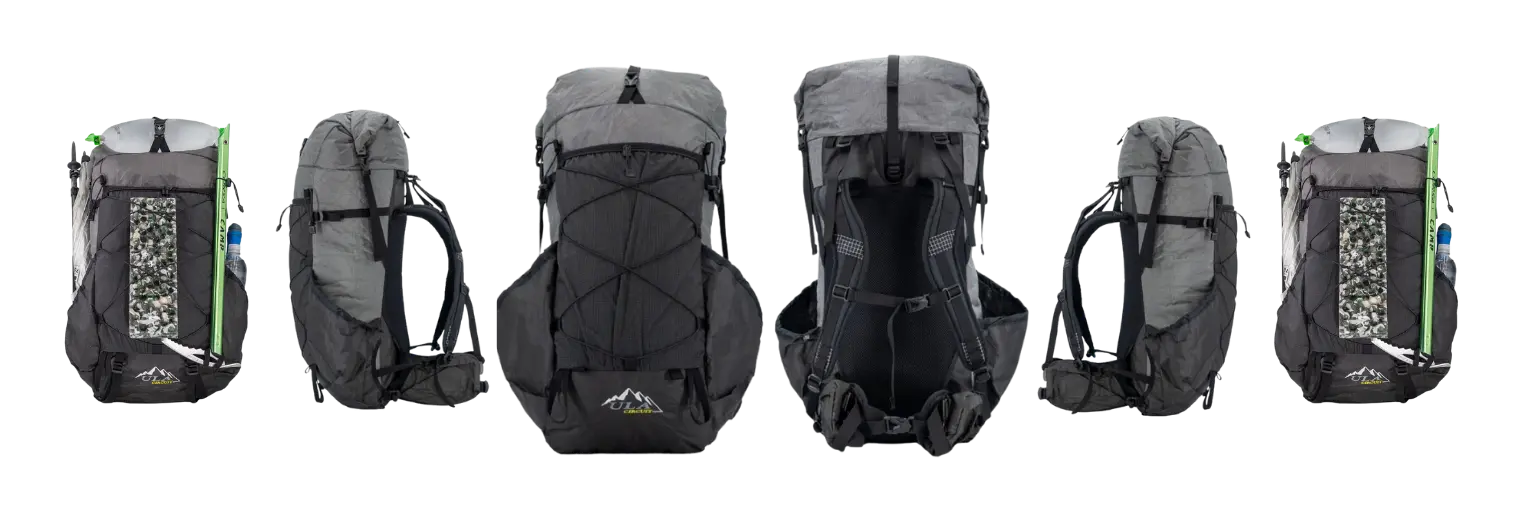
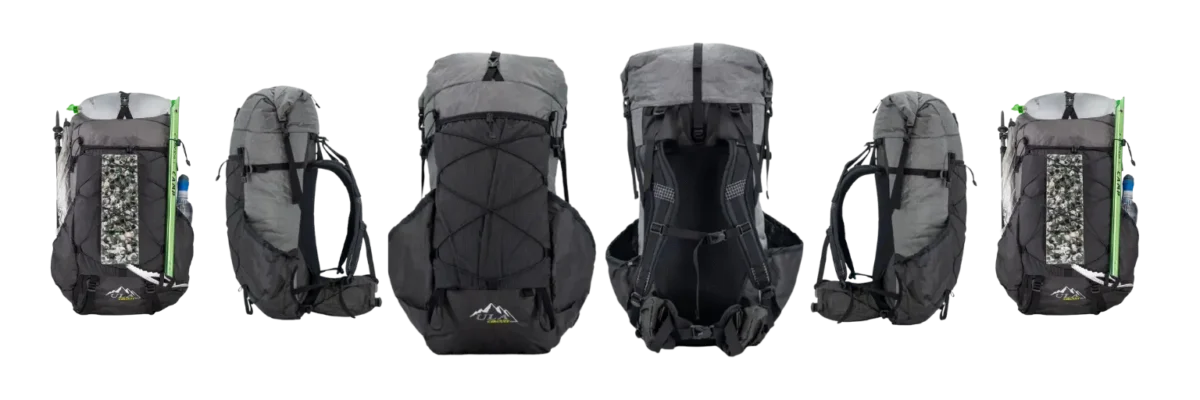
The main compartment uses a simple design: one large opening at the top with a roll-top closure. No dividers, no internal pockets, no complicated organization system. Everything goes into one vertical space. This simplicity has advantages and drawbacks. On the plus side, you can pack it however makes sense to you. Large items like sleeping bags, quilts, and stuff sacks drop right in. A bear canister fits vertically (BV500 and Garcia models), which many hikers prefer because it doesn’t create an awkward bulge.
The downside? You need to be deliberate about your packing system. If you just throw things in randomly, you’ll spend time digging for your headlamp at the end of the day. Most successful Circuit users develop a consistent packing order: sleeping system at the bottom, clothes and camp items in the middle, food near the top.
External storage is where the Circuit shines for daily access. The large mesh pocket on the front swallows bulky items like tents, rain jackets, and extra layers. It’s deep enough that items stay secure even when you’re moving fast downhill. The side pockets are positioned perfectly for water bottles. You can grab your bottles while walking without removing your pack, which matters more than you’d think when you’re drinking 3 to 4 liters a day.
The hip belt pockets are surprisingly roomy. Two large zippered pockets, one on each side, easily hold snacks, sunscreen, phone, chapstick, and other items you want throughout the day. Many hikers use one side for food and the other for small essentials. These pockets become your constant access points, and having quality hip belt pockets makes a noticeable difference in your daily rhythm on trail.
The roll-top closure lets the pack expand and contract. Early in your hike when you’re still figuring out your gear and carrying too much, you can extend the closure for extra volume. As your hike progresses and you send home unnecessary items (everyone does this), you roll the top down tighter. The side compression straps help cinch everything in when the pack isn’t full, which improves stability and gives you that clean, compact profile that experienced hikers recognize.
Comfort: Living With It Every Day
Comfort determines whether you finish a thru-hike. An uncomfortable pack creates a daily battle that wears you down mentally and physically. The Circuit’s comfort comes from how it distributes weight and how well it can be fitted to your specific body.
The hip belt receives consistent praise from hikers. It’s padded, contoured, and adjustable enough to fine-tune throughout the day. The belt has dual adjustment straps (one main strap on each side plus additional tensioners) that let you dial in the exact fit you need. As you lose or gain weight during a thru-hike, or as your body changes shape from walking all day, you can readjust. The hip belt is also replaceable and comes in six sizes, from extra small to extra extra large. Getting the right size matters because the hip belt carries most of your pack’s weight.
Shoulder straps come in two shapes: J-straps and S-straps. J-straps work better for hikers with broader shoulders, while S-straps suit those with standard or sloped shoulders. This customization addresses a common problem with off-the-rack packs: they’re designed for an average body that doesn’t actually exist. Some hikers report rubbing around the neck area with the straps, which usually indicates needing to adjust the fit or possibly choosing the other strap style.
The torso length is also customizable, available in four sizes. Combined with the hip belt and shoulder strap options, the Circuit can fit a wide range of body types. This matters for comfort, but it also means you need to get your measurements right when ordering. ULA provides detailed fitting instructions, and many hikers call or email the company to confirm their measurements before purchasing.
Load lifters at the top of the shoulder straps help pull the pack closer to your back and adjust how weight sits on your shoulders. The sternum strap is adjustable up and down, so you position it where it actually helps rather than where the manufacturer decided it should go.
The back panel uses 3D spacer mesh, which provides some airflow between the pack and your back. It’s not a miracle of ventilation (no pack truly is), but it’s better than solid foam pressed against your back all day. The mesh does pick up trail debris if you’re hiking through brush or scrambling over rocks, but it brushes off easily.
Built to Last Thousands of Miles
Thru-hikers put gear through conditions that most weekend backpackers never experience. You’re loading and unloading your pack daily, stuffing it into bear boxes, dragging it across granite, dropping it on sharp rocks, and exposing it to sun, rain, and dust for months straight. The Circuit is designed for this reality.
The material is 400-denier Robic nylon, which is notably tougher than the 200-denier or lighter fabrics found on many ultralight packs. Denier measures the thickness of the individual fibers in the fabric. Higher denier means more durable, but also slightly heavier. Robic is a specific type of nylon that’s particularly resistant to abrasion and tearing.
The fabric is treated with DWR (durable water repellent) coating and PU (polyurethane) coating. This provides water resistance, though the Circuit is not waterproof. In light rain or brief showers, your gear stays dry. In sustained rain or if you drop the pack in a creek, water will eventually get through. Most hikers use a pack liner (a large trash compactor bag or waterproof stuff sack) to protect gear that can’t get wet, which is standard practice for any pack on a long trail.
The webbing straps and mesh are reinforced and use quality materials. After thousands of miles, you might need to replace a buckle here and there, but the core structure holds up. Compare this to some ultralight packs that start showing serious wear after 500 to 1,000 miles. Hikers regularly report using the same Circuit for multiple thru-hikes, including triple crowns (Appalachian Trail, Pacific Crest Trail, and Continental Divide Trail, totaling over 8,000 miles).
ULA offers a lifetime warranty and will repair damage from wear and tear or accidents for the life of the pack. This isn’t just marketing. The company has been making packs for over 20 years, and their willingness to stand behind their products reflects the actual durability of their construction. If a seam comes apart or a strap fails, you can send it back for repair.
Daily Performance: The Details That Matter
Living with a pack for months means the small things become big things. How easy is it to grab your water bottle? Can you access your rain jacket when clouds roll in? Does the pack stay organized or become a chaotic mess?
Loading the pack happens through the top opening. This is straightforward but requires some method. Most hikers develop a system: sleeping bag and pad first, then clothing in stuff sacks, food bag near the top, frequently used items in outside pockets. The single-chute design means you can’t access something at the bottom without unpacking from the top, so planning your pack order matters.
Water bottle accessibility is excellent. The side pockets are positioned and angled so you can slide bottles in and out while wearing the pack. This might seem minor until you’re on a hot exposed section and need to drink frequently without stopping. The pockets are also deep enough that bottles don’t fall out when you bend over or move quickly.
Compression works through the side straps and the roll-top closure. When your pack is half full (common after you’ve eaten several days of food), you can tighten the side straps to pull everything closer to your body. This improves balance and reduces the pack’s tendency to sway. The roll-top cinches down, eliminating empty space at the top that would otherwise allow your gear to shift around.
Weather resistance is moderate. The DWR coating causes light rain to bead up and roll off initially, but the coating wears down over time and extended exposure. This is normal for coated fabrics. You can reapply DWR treatment, but most hikers just use a pack liner and don’t worry about the exterior getting wet. The pack dries relatively quickly when the sun comes out.
Hydration bladder compatibility exists through ports at the top of the pack on both sides, and you can add an optional hydration sleeve. However, many hikers skip the bladder system and stick with bottles in the side pockets. Bladders are harder to refill on trail, difficult to monitor how much you’re drinking, and can be frustrating to slide in and out of a loaded pack multiple times per day.
The optional accessories include a hydration sleeve, internal stash pocket (useful for carrying money, ID, and keys during town stops), and shoulder strap pocket (for quick access to your phone or snacks). The internal stash pocket is particularly popular because it’s positioned near the top of the pack for easy access even when fully loaded, and it detaches so you can carry it separately if you leave your pack somewhere.
Maintenance: Keeping It Working
Backpacks on thru-hikes get dirty. Dust, mud, sweat, spilled food, and general trail grime accumulate. The Circuit is relatively low-maintenance, but some care extends its life and keeps it functional.
Cleaning is straightforward. Most hikers do basic cleaning on trail by wiping down the exterior with a damp cloth and brushing out the mesh pockets. For deeper cleaning after a hike, hand washing in a tub with mild soap works well. Let it air dry completely before storing. Don’t put it in a washing machine, as the agitation and heat can damage the fabric coatings and stress the seams.
The hip belt mesh picks up dust and debris. A soft brush cleans it effectively. If the mesh gets particularly dirty, a gentle scrubbing with soapy water works. The mesh is durable enough to handle regular cleaning.
Zippers on the hip belt pockets benefit from occasional cleaning. Trail dust works its way into zipper teeth and can make them sticky. A toothbrush and water usually solve this. If zippers become very difficult, a small amount of zipper lubricant (or even a candle rubbed along the teeth) helps.
The DWR coating will eventually wear off from abrasion and UV exposure. You can reapply DWR spray treatments, following the product instructions. This isn’t necessary for pack function but helps water resistance if that matters to you. Most experienced hikers don’t bother reapplying and just accept that their pack will eventually look weathered and worn.
Wear points to monitor include where the shoulder straps connect to the pack body, the attachment points for the hip belt, and the bottom of the pack where it contacts the ground. These areas experience the most stress. Check them periodically for loose stitching or small tears. Catching damage early makes repair easier.
Storage between trips matters more than many hikers realize. Store the pack in a cool, dry place away from direct sunlight. UV exposure degrades fabric over time, even when you’re not using the pack. Don’t store it compressed or stuffed in a small space. Let it maintain its natural shape, which helps the foam and padding keep their structure.
Who This Pack Is For (And Who It Isn’t)
The Circuit works best for hikers who have trimmed their gear to a reasonable weight but haven’t gone extreme ultralight. If your base weight sits between 10 and 18 pounds, the Circuit makes sense. You get the support of a framed pack without carrying a heavy pack itself.
The pack is ideal for first-time thru-hikers who are still figuring out their gear systems. The 68-liter capacity gives you room to carry a bit extra while you learn what you actually need. The durability means you won’t destroy your pack while you’re developing your trail skills. The comfort matters when you’re adjusting to walking 15 to 20 miles per day.
It works well for hikers who value organization and accessibility. The multiple pockets and external storage let you separate and access gear easily. If you’re someone who gets frustrated digging through a single stuff sack to find what you need, the Circuit’s layout makes daily life smoother.
The Circuit fits hikers who need custom sizing. If you’ve struggled to find packs that fit your body properly because you’re taller, shorter, or differently proportioned than average, the multiple size options and strap configurations make proper fit possible.
Who might want something different? Experienced ultralight hikers who have their base weight down to 8 pounds or less often find the Circuit too heavy and too large. They can use smaller, lighter, often frameless packs because they’re carrying so little weight. The Circuit’s frame and structure become unnecessary overhead.
Hikers who regularly carry very heavy loads (over 40 pounds, which might happen in winter conditions or on remote trips with long food carries) might want a beefier pack with a more substantial frame. The Circuit can handle these loads occasionally, but it’s not optimized for them.
Some people prefer packs with more internal organization: dividers, pockets, top lids, and bottom access zippers. The Circuit’s simple design isn’t wrong, but it’s not for everyone. If you need lots of compartments to stay organized, other packs might suit your style better.
The Practical Reality
The ULA Circuit has become common on long trails because it balances competing demands effectively. It’s light enough that you’re not fighting your pack all day. It’s tough enough to last thousands of miles. It’s comfortable enough that you can walk long days without pain. It’s organized enough to stay functional. And it’s priced reasonably for what you get.
No pack is perfect for everyone. The Circuit won’t magically make your thru-hike easy, and it won’t compensate for poor planning or unnecessary gear. What it will do is carry your carefully chosen equipment comfortably and reliably, day after day, without becoming a problem you have to solve.
When you’re standing at the southern terminus of a trail, staring at the miles ahead, you want gear that simply works. The Circuit is that kind of pack. It doesn’t demand attention or special treatment. It doesn’t fail at critical moments. It just keeps doing its job, which is exactly what you need when you’re focused on putting one foot in front of the other for months at a time.
That’s why you see so many green, yellow, royal blue, and purple Circuits on trail. Not because they’re trendy, but because they work.