
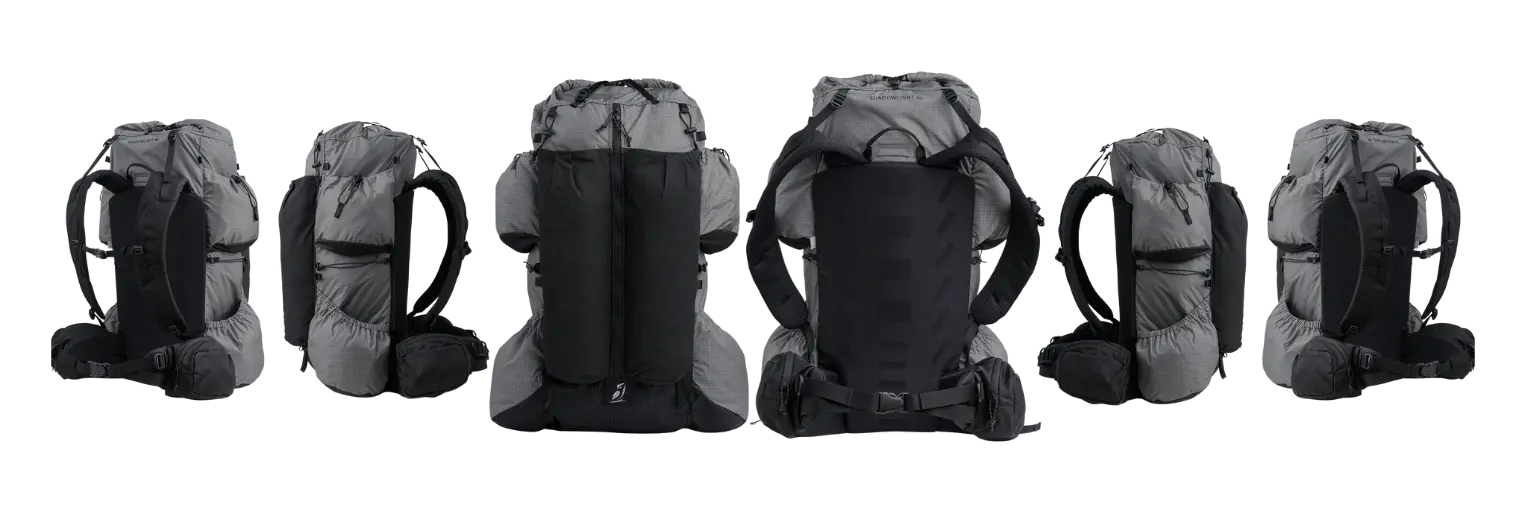
When you’re planning a thru-hike, your backpack becomes your home for months. Every ounce matters, but so does every mile of comfort. The Outdoor Vitals Shadowlight Carbon 60 sits in that sweet spot where ultralight meets functional, designed specifically for hikers who need a pack that can handle multi-day and multi-month journeys without destroying their body or their gear organization system. This isn’t just another ultralight pack that sacrifices everything for weight savings. It’s a framed pack under two pounds that actually carries loads comfortably, which sounds impossible until you understand how it’s built.
Understanding the Frame: Why This Matters on Long Trails
The biggest question new thru-hikers face is whether to go framed or frameless. This choice fundamentally changes your hiking experience. A frameless pack is lighter but transfers all weight directly onto your shoulders and forces you to pack strategically to create structure. A traditional framed pack offers great support but usually weighs three to four pounds or more.
The Shadowlight uses removable carbon fiber frame stays as part of its CARBONFLEX suspension system. These stays provide the structure you need to carry 20 to 35 pounds comfortably without the weight penalty of aluminum frames. Carbon fiber is incredibly strong for its weight, and these stays are specifically tuned to flex with your body movement while maintaining load transfer to your hips. This means on steep climbs or uneven terrain, the pack moves with you instead of fighting against you.
For thru-hikers, this matters enormously. You’ll face thousands of miles where even small discomfort compounds into real problems. A framed pack keeps your load stable, prevents the dreaded shoulder dig, and most importantly, transfers weight to your hip belt where your body can actually handle it for extended periods.
Weight and Capacity: The Numbers That Actually Matter
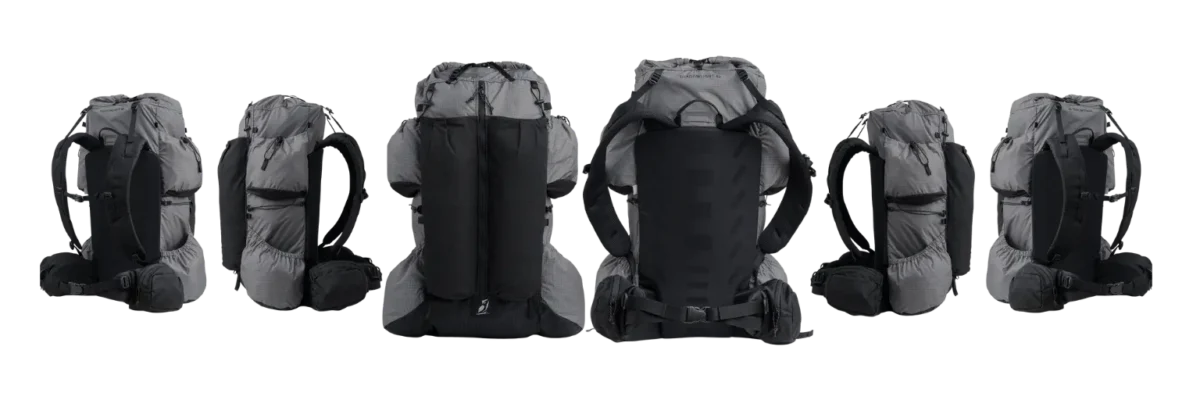
At under two pounds for a 60-liter pack, the Shadowlight achieves something most ultralight packs can’t manage. Many sub-two-pound packs top out at 40 to 50 liters and lack real support systems. Others with similar capacity weigh three pounds or more. This pack gives you genuine 60-liter capacity while staying ultralight, which is the difference between fitting a full thru-hiking kit and having to make painful compromises.
What does 60 liters actually hold? For most thru-hikers, this accommodates a quilt or sleeping bag, insulated pad, shelter, food for four to six days, water capacity, clothing layers, cook system, and miscellaneous gear. The main compartment handles your big three (shelter, sleep system, pack) plus clothing. The large front stretch pocket easily swallows a rain jacket, puffy jacket, and other items you need quick access to throughout the day. Side pockets fit water bottles, tent poles, or a small tripod if you’re documenting your journey.
The roll-top closure design means you can compress the pack down when carrying less food and water between resupply points, or expand it when leaving town with six days of food. This adjustability prevents the sloppy, unstable carry that happens when your pack is half-empty.
Carrying Comfort: What You’ll Feel at Mile 2,000
Thru-hiking breaks down into one simple truth: you live in whatever comfort your gear provides. The Shadowlight’s suspension system focuses on long-distance carrying comfort through several specific design choices.
The wrap-around hip belt creates more contact surface area with your hips. More contact means better weight distribution, which prevents hot spots and pressure points. Traditional hip belts often create narrow pressure lines. This design spreads the load across your entire hip structure. The hip belt also includes zippered pockets large enough for snacks, phone, sunscreen, or other items you’ll reach for dozens of times per day. Not having to remove your pack for these items saves energy and time.
The contoured shoulder straps follow the natural shape of your shoulders and include proper padding density. Too soft and they compress completely under load. Too firm and they create pressure points. These strike the right balance for extended carrying. The straps work together with functional load lifters that actually do their job, pulling the pack weight forward and up to keep it riding close to your back instead of pulling you backward.
The back panel uses strategic foam cutouts to create ventilation channels. You will sweat on a thru-hike. There’s no avoiding it. But this design allows some air movement and prevents the solid sheet of sweat that happens with fully padded backs. The foam provides cushioning where you need it while cutting weight and improving airflow where you don’t.
Organization and Access: Finding Your Gear Without the Yard Sale
Trail efficiency comes from accessing your gear quickly. Nothing kills hiking momentum like dumping your entire pack on the ground to find one item at the bottom.
The center zip on the main compartment is the standout feature here. Instead of unpacking from the top down, you unzip the center and reach directly into the middle of your load. Need your rain gear stored halfway down? Zip and grab. Need to access food without unpacking your sleep system? Done. This access point transforms how you interact with your pack throughout the day.
The large front stretch mesh pocket with vertical zipper holds significant volume. Most hikers keep their rain jacket, puffy jacket, and other frequently needed items here. The stretch material expands to accommodate bulky items but compresses flat when empty. The vertical zipper allows you to secure items inside while still maintaining the stretch capacity.
Side pockets handle water bottles, fuel canisters, or tent poles. The hip belt pockets carry snacks, electronics, maps, or other small essentials. This distributed organization means everything has a logical home, and you develop muscle memory for where items live.
Durability and Maintenance: Gear That Survives the Journey
Ultralight materials face an inherent challenge: strength versus weight. The Shadowlight uses ripstop fabric with reinforced high-wear areas like the bottom panel. The bottom takes constant abuse from setting your pack down, and reinforcement here prevents the early failures that plague some ultralight packs.
For cleaning, the pack wipes down easily with a damp cloth for trail maintenance. After your hike, hand wash with mild soap and hang to dry. The simple construction without excessive pockets and features means fewer failure points and easier cleaning access.
The removable carbon stays mean you can repair or replace them if needed, though carbon fiber is incredibly durable. The zippers are the most likely wear point on any pack, and having quality zippers matters for thousands of miles of use.
Practical Considerations for Trail Life
Compression capability determines how well your pack carries variable loads. The roll-top closure allows significant compression when you’re low on consumables. Compression straps on the sides cinch the pack down further. A compressed pack carries better because the weight stays close to your body instead of shifting around.
The pack offers no built-in rain cover, which is actually an advantage. Most thru-hikers use a pack liner (a large trash compactor bag or dry bag) inside the main compartment instead of a rain cover. This approach keeps your gear genuinely dry even in sustained rain, whereas rain covers often let water seep in from the bottom or sides. The Shadowlight’s design accommodates pack liners perfectly.
Sizing matters tremendously for comfort. The pack comes in multiple torso lengths (short, regular, tall) and hip belt sizes. Proper fit means the hip belt sits on your hip bones (not your waist), the shoulder straps don’t gap or dig, and the load lifters angle slightly downward from the pack to your shoulders. Taking accurate measurements before ordering prevents comfort issues that no amount of adjustment can fix.
The Bottom Line for Thru-Hikers
The OV Shadowlight Carbon 60 solves the weight versus comfort equation better than most packs in this category. You get legitimate framed support, genuine organization features, and comfortable carrying capacity without breaking the two-pound mark. For thru-hikers, this means you can actually hike those big mile days without your pack becoming the limiting factor. The CARBONFLEX suspension provides real support. The capacity handles full thru-hiking loads. The organization features keep you efficient on trail.
This pack works for hikers who understand that ultralight isn’t about suffering. It’s about carrying exactly what you need, in a way that lets you hike farther and enjoy the journey more. The Shadowlight delivers on that promise through thoughtful design choices that prioritize function alongside weight savings. For anyone planning a long trail, this pack deserves serious consideration as the foundation of your gear system.