
This website uses affiliate links which may earn a commission at no additional cost to you. As an Amazon Associate I earn from qualifying purchases.
Choosing a backpack for a thru-hike involves more than comparing specifications on a website. You need to understand how those numbers translate to actual trail experience over hundreds or thousands of miles. The Hyperlite Mountain Gear Unbound 55L represents a specific approach to long-distance hiking, and knowing whether it matches your needs requires looking beyond the marketing materials.
This guide breaks down what the Unbound 55L actually offers on trail, from the moment you load it in the morning to how it feels at mile twenty of a long day. The pack sits in the ultralight category while maintaining enough volume for extended food and water carries, making it worth serious consideration for anyone planning a thru-hike.
Understanding the Weight Reality
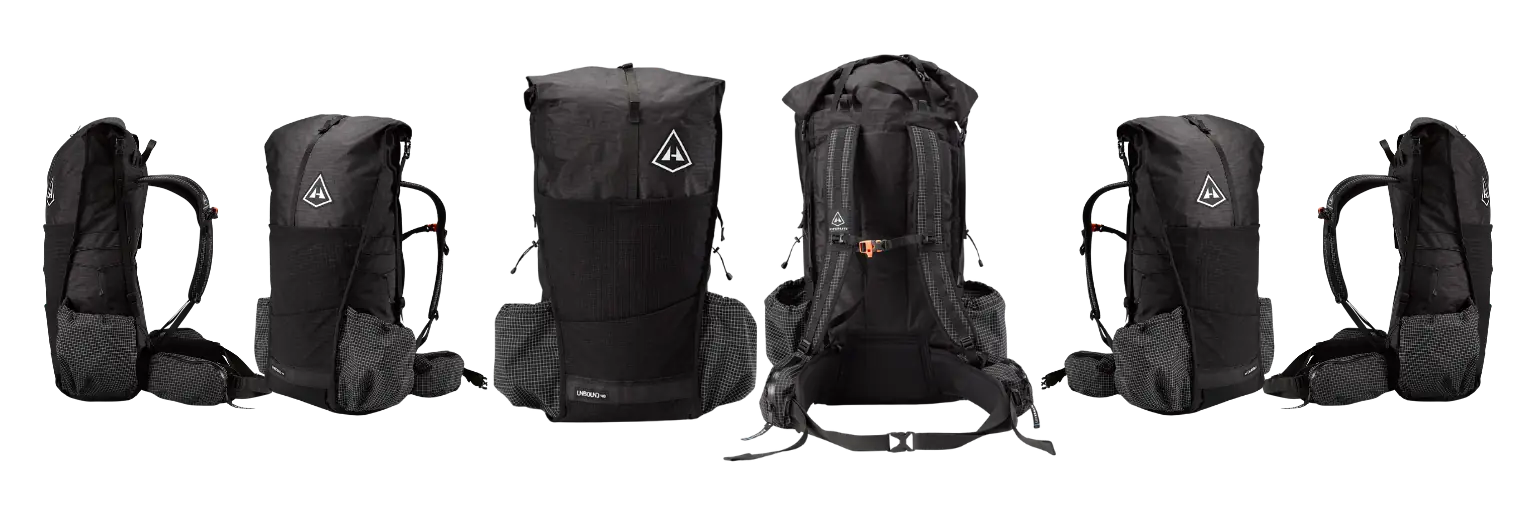
The Unbound 55L weighs different amounts depending on which fabric version you choose. The white version using DCH50 Dyneema Composite Hybrid weighs approximately 30.9 ounces (1 pound 14.9 ounces) for a medium torso and medium hip belt. The black version using the more durable DCH150 throughout weighs around 34.1 ounces (2 pounds 2.1 ounces) in the same configuration.
Traditional backpacking packs in this volume range typically weigh between 4 and 6 pounds. Saving two to three pounds on your pack alone represents a significant reduction in the load you carry every single day. Over a five-month thru-hike, that difference compounds into less stress on your joints, reduced fatigue, and potentially fewer injury-related complications.
The black version offers greater abrasion resistance for rougher trails or off-trail travel, while the white version provides ultimate weight savings and keeps the interior brighter for easier gear location. Most thru-hikers find the black version worth the extra 3.2 ounces for increased durability over thousands of miles.
Capacity That Actually Works
The 55-liter main compartment plus an additional 9 liters of external pocket space totals 64 liters of usable capacity. This volume comfortably holds a three-season sleep system, clothing layers, shelter, and roughly five to seven days of food for most hikers. Bear canisters fit inside the main compartment, though they consume significant space.
The pack uses a roll-top closure system that provides flexibility in how much volume you actually use. Between resupply points with minimal food, roll the top down further and compress everything tighter. During longer carries, leave more room at the top and use the full volume. The roll-top can be secured with removable side compression straps or a Y-strap over the top, giving you options based on your load.
Internal organization stays minimal by design. The main compartment offers open space without dividers or built-in pockets. This approach lets you organize gear using stuff sacks or packing cubes according to your own system rather than adapting to predetermined compartments.
Pocket Configuration That Makes Sense
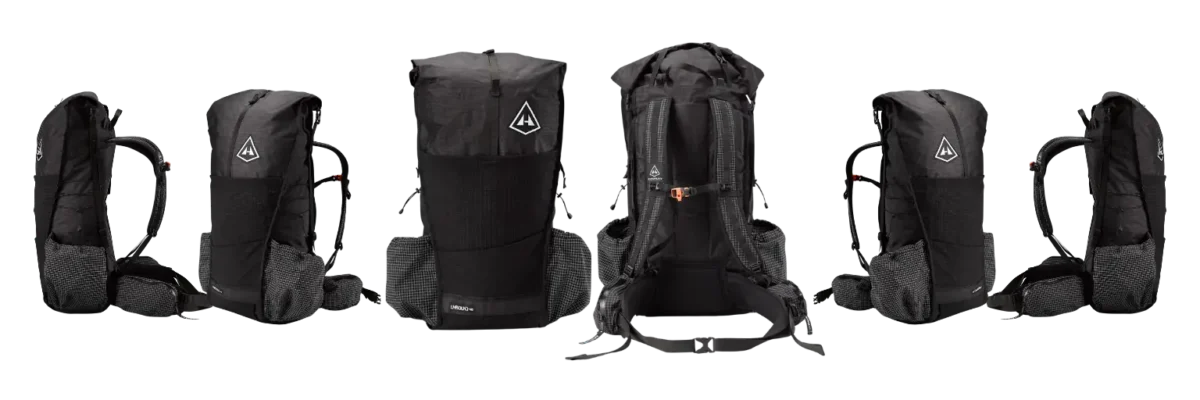
The dual-entry front pocket uses Dyneema stretch mesh and provides one of the pack’s standout features. The pocket splits into two sections: a large main pocket accessed from the top and a smaller overlapping pocket accessed from the bottom. This design lets you store tent stakes, a trowel, or small items in the lower section where they stay accessible without getting lost in the larger upper section.
The side pockets are larger than typical ultralight pack pockets and include cinch straps to secure contents. Each pocket comfortably holds two SmartWater bottles or a large Nalgene. As your pack fills, these pockets maintain usable volume better than many competing designs.
The bottom stretch pocket with dual-entry access offers another storage innovation. This pocket sits underneath the pack’s bottom panel and works perfectly for a wet ground cloth, rain jacket you need to dry out, or extra layers. It includes a small trash port opening in one corner where you can stuff candy wrappers and other small trash throughout the day, supporting Leave No Trace principles.
Hip belt pockets on both sides provide quick access to snacks, phone, or navigation tools. They accommodate most smartphones and essential items you need frequently without removing the pack.
Build Quality and Durability
Dyneema Composite Hybrid fabric resists water absorption, meaning the pack itself does not gain weight in rain or when exposed to humidity. Water beads on the surface rather than soaking through. The pack features completely taped seams for water resistance, though it is not fully waterproof at every closure point.
The exterior binding construction sets this pack apart from traditional designs. Hyperlite sews webbing and attachment points on the outside of the pack body rather than using internal flat-felled seams. This approach allows complete seam taping on the interior for better water resistance while still providing attachment points for daisy chains, compression straps, and pockets. This construction also eliminates seam bulking inside the pack.
The tear resistance of DCH150 in the black version exceeds traditional pack fabrics significantly. The material can be punctured or abraded by sharp objects or rough surfaces, but most thru-hikers find the durability sufficient for a complete long trail. Avoid dragging the pack across granite or letting it rest against sharp branches to maximize longevity.
The pack includes multiple daisy chains for attaching external gear. Four vertical quarter-inch daisy chains run down the pack body, plus a horizontal daisy chain below the front pocket provides lashing options for trip-specific customization. This low-profile attachment system allows countless ways to carry external items for different kinds of trips.
The pack does not include a built-in rain cover because the Dyneema fabric itself resists water effectively. For extended rain exposure or complete waterproofing, many hikers use a pack liner inside the main compartment.
How Weight Transfers to Your Body
The HMG Unbound 55L uses a single pre-shaped aluminum stay that can be removed or adjusted for fit. This stay runs vertically along your spine and transfers weight from shoulders to hips while creating structure that prevents the pack from collapsing against your back.
An integrated plastic frame sheet with a quarter-inch high-density foam back panel pad provides additional structure and minimal cushioning. This panel works best when you pack strategically, keeping soft items like clothing against your back and harder items away from the panel.
Comfortable carrying capacity typically ranges from 25 to 35 pounds of total pack weight, including consumables. The suspension system performs optimally within this range. The pack has a stated 40-pound maximum capacity, though comfort decreases somewhat at this weight compared to burlier expedition packs.
The removable hip belt uses Hardline with Dyneema, dual-density closed-cell foam, and spacer mesh for padding and breathability. The belt is designed to carry the majority of the pack’s weight by transferring load to your hips. The removable and customizable design means you can swap sizes if your body changes during a long hike.
Shoulder straps made with Hardline with Dyneema and 3/8-inch closed-cell foam feature moderate padding that balances comfort with weight savings. The straps notably lack load lifter straps. Their absence represents a deliberate weight-saving decision, and most hikers find the pack comfortable without them at loads under 30 pounds.
A sternum strap helps stabilize the shoulder straps and prevent them from sliding outward during movement. This strap adjusts vertically to accommodate different torso lengths and preferences.
Daily Trail Functionality
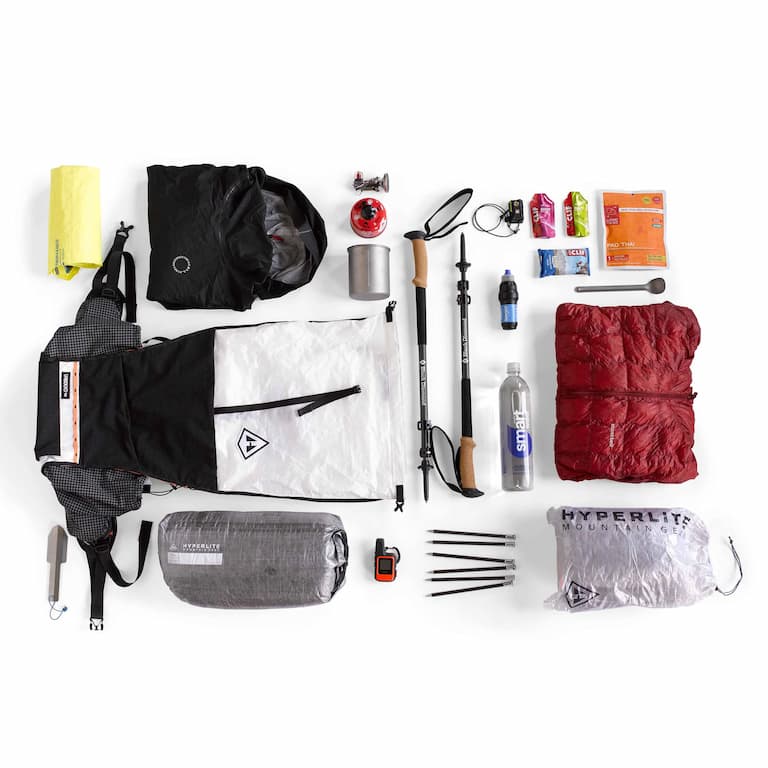
Loading the pack works best with a systematic approach. Place your sleep system at the bottom in a waterproof stuff sack, followed by clothing and other gear organized in stuff sacks or packing cubes. The heaviest items like food should be positioned close to the back panel at shoulder-blade height to keep the center of gravity close to your body.
The roll-top closure requires some practice to master efficiently. Open the top completely, load gear, then roll the top down three to four times depending on how full the pack is. Secure the roll with either the side compression straps, the Y-strap, or both for maximum compression and security.
Accessing gear during the day requires planning ahead. Items you need frequently should go in external pockets or near the top of the main compartment. The dual-entry front pocket excels at keeping small essentials organized and accessible. The bottom pocket works perfectly for layers you might need throughout the day, letting you grab a rain jacket or puffy without opening the main compartment.
The pack’s compression system includes removable side straps and the top Y-strap. As food weight decreases throughout your carry, proper compression prevents gear from shifting inside, improving stability and comfort while hiking.
Adjustment on the move happens frequently during long hiking days. The pack includes multiple adjustment points for shoulder straps, hip belt, and sternum strap. Learning to make small adjustments while walking saves time and maintains momentum.
Keeping It Functional Long-Term
Cleaning the pack involves wiping down the exterior with a damp cloth to remove dirt and salt from sweat. The Dyneema fabric does not absorb dirt like traditional nylon, making it easier to keep reasonably clean throughout a thru-hike.
For more thorough cleaning after a trip, hand washing with mild soap and lukewarm water works well. Avoid harsh detergents or chemicals that might damage the fabric or delaminate taped seams. The pack air-dries quickly due to the non-absorbent fabric.
Field repairs typically involve patching small punctures or tears with Dyneema repair tape, which many hikers carry in their repair kit. The tape bonds well to DCH fabric and provides a strong, waterproof patch.
Hyperlite Mountain Gear provides warranty and repair services for manufacturing defects and damage that occurs during normal use. The pack’s durability means most users keep it functioning for multiple seasons or even multiple thru-hikes before needing replacement.
Making the Right Choice
The HMG Unbound 55L makes sense for thru-hikers who have refined their gear systems toward lighter weight and smaller packed volume. If your base weight stays under 12 to 15 pounds and you are comfortable with minimalist features, this pack likely fits your approach. The pack rewards efficient packing and lightweight gear choices rather than compensating for heavy or bulky equipment.
Hikers who regularly carry loads exceeding 35 pounds, need extensive organization systems, or prefer maximum cushioned suspension should consider other options. The lack of load lifters and single-stay frame design work best within specific weight ranges.
Your hiking style matters significantly. Fast-paced hikers covering high daily mileage often appreciate the weight savings and streamlined design. The pack’s features support efficiency and quick access to essentials. Those who take a more relaxed approach or carry luxury items might find the capacity limiting.
The pocket configuration with dual-entry front pocket, generous side pockets, bottom stash pocket, and hip belt pockets provides more organization than many ultralight packs. This represents a middle ground between minimalist frameless packs and fully-featured traditional packs.
Size options include small, medium, large, and tall configurations. Getting the correct torso length and hip belt size matters significantly for comfort and load transfer. The removable hip belt allows for size changes if your body composition shifts during extended hiking.
The Unbound 55L represents a tool built for a specific purpose: efficient long-distance hiking with ultralight gear systems. Understanding whether that purpose aligns with your thru-hiking plans, gear approach, and physical needs determines if this pack belongs on your back for the next several months on trail. The pack earned its design through real-world testing, and that experience shows in features that address actual trail needs rather than theoretical preferences.