
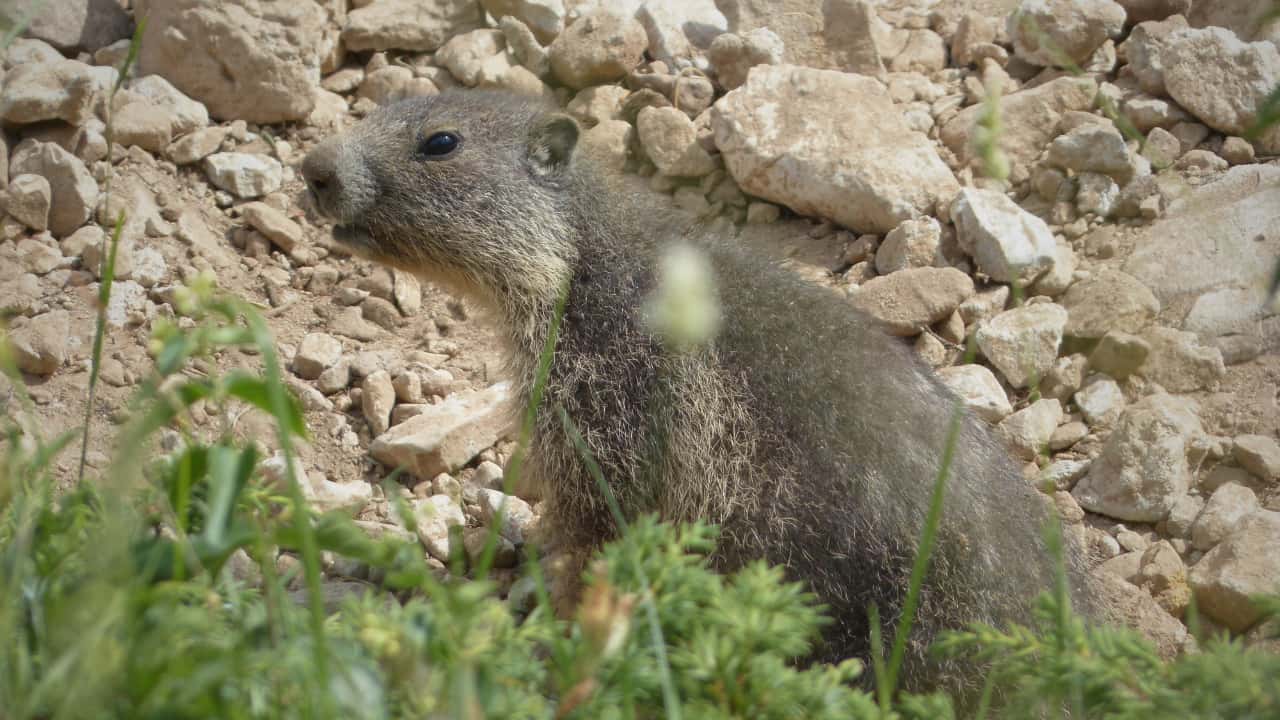
If you’re planning to thruhike the Colorado Trail, understanding how to protect your gear and food from wildlife isn’t just smart backcountry practice, it’s essential for completing your journey. While bears get most of the attention in wilderness preparation, you’ll likely encounter a different challenge on the CT: opportunistic rodents, particularly marmots, that can turn your expensive gear into a chewed-up mess.
Let’s break down everything you need to know about wildlife-proofing your Colorado Trail thruhike, from understanding what threats actually exist to choosing the right gear and employing effective strategies.
Understanding the Real Threats
The Colorado Trail passes through over 485 miles of wilderness, crossing six National Forests and sharing terrain with the Continental Divide Trail. This landscape is home to black bears, marmots, squirrels, chipmunks, and other critters that have learned humans equal food opportunities.
Bears on the Colorado Trail exist but are relatively uncommon for most hikers. The Colorado Trail Foundation recommends bear canisters to keep bears alive and healthy by keeping them out of your food, following the principle that a fed bear often becomes a dead bear. While you may never see a bear on your thruhike, proper food storage protects both you and the wildlife.
Marmots are the more frequent problem. These large, social rodents live in rocky alpine areas and have developed a taste for anything salty. They’re not aggressive toward humans, but they are bold, curious, and incredibly destructive when it comes to gear. Marmots will chew through trekking pole handles, boot leather, pack straps, tent fabric, and anything else that has absorbed salt from your sweat.
Important distinction: Marmots are opportunistic, not aggressive. They’re looking for salt and minerals, not confrontation. Understanding this helps you protect your gear effectively.
Food Storage Requirements and Recommendations
The Colorado Trail has no universal bear canister requirement for most of its length. However, the CT passes through 6 National Forests and 11 Ranger Districts, each typically having Food Storage Orders with legal requirements. Some specific areas do require hard-sided containers, particularly where the trail crosses popular car camping corridors.
What the Colorado Trail Foundation Recommends
The Colorado Trail Foundation’s recommendation for thruhikers is to store food in a hard-sided canister like a BearVault. This isn’t just about bears. Hard-sided canisters protect your food from all critters, including the persistent marmots you’ll encounter at high-elevation campsites.
Your Food Storage Options
Bear Canisters (Hard-Sided)
These are the gold standard for the Colorado Trail. Popular models include:
- BearVault BV500: The most popular choice for thruhikers. Holds approximately 5-7 days of food depending on your calorie needs and how efficiently you pack. This is the size you want, not the smaller BV450.
- Garcia Backpacker Cache: Another IGBC-approved option, slightly heavier but very durable.
Pros: Completely protects food from all wildlife, doubles as a camp stool, easy to use, and meets all regulatory requirements.
Cons: Heavy (2.7 pounds for BV500), bulky, limits resupply distances to about a week.
Ursack
The Ursack is a bear-resistant fabric bag made from ultra-high-molecular-weight polyethylene. There are no restrictions for the Ursack on The Colorado Trail SummitPost, though some specific areas along the route may require hard-sided containers.
Pros: Much lighter than bear canisters (7-8 ounces), more packable, easier to tie off above treeline where suitable trees are scarce.
Cons: Bears can crush your food (though they can’t get it out), doesn’t stop marmots from chewing through other gear, must be tied correctly to something immovable.
Bear Bagging (Hanging Your Food)
This traditional method involves hanging your food from a tree branch at least 10 feet high and 4 feet from the trunk.
Pros: Lightweight, no special equipment required beyond cord.
Cons: Finding appropriate trees above treeline is nearly impossible, time-consuming, difficult to execute properly, increasingly ineffective as bears learn the system, many hikers do it incorrectly.
The verdict: For most Colorado Trail thruhikers, either a bear canister or Ursack makes the most sense. Bear bagging becomes impractical in the alpine zones where you’ll spend much of your time.
Protecting Your Gear from Marmots
Food storage solves only half the problem. Marmots want salt, not necessarily your dinner. They’re particularly attracted to:
- Trekking pole grips and straps (soaked in hand sweat)
- Boot leather and laces
- Pack shoulder straps and hip belts
- Anything you’ve touched repeatedly with sweaty hands
- Hydration bladder bite valves
- Tent fabric near where you’ve handled it
Marmot Prevention Strategies
At Camp
- Never leave gear unattended at popular campsites, especially above treeline near talus fields where marmots live.
- Hang or elevate salty gear just like you would food. Use your trekking poles to suspend boots and pack straps from a tree branch or rock outcropping.
- Store everything inside your tent if you’re in a high-marmot area. While they can chew through tent fabric, they’re less likely to if there’s nothing immediately attractive.
- Camp away from talus fields and rock piles when possible. These are marmot neighborhoods.
- Don’t eat near your tent if camping in rodent-heavy areas. Food smells can attract unwanted visitors.
On Trail
- Never set your pack down and walk away at scenic overlooks or pass summits. Marmots at popular locations have become incredibly bold.
- Watch for marmots approaching during breaks. They’re not shy at high-traffic areas.
- Keep your food secured even during the day. Opportunistic critters strike fast.
Gear Choices
- Consider trekking poles with foam grips rather than cork or rubber, which marmots seem to prefer.
- Leather boots are marmot candy. If you’re wearing trail runners, you’ve got one less thing to worry about.
- Some hikers wrap trekking pole grips with athletic tape to create a barrier and mask salt.
Campsite Selection for Wildlife Safety
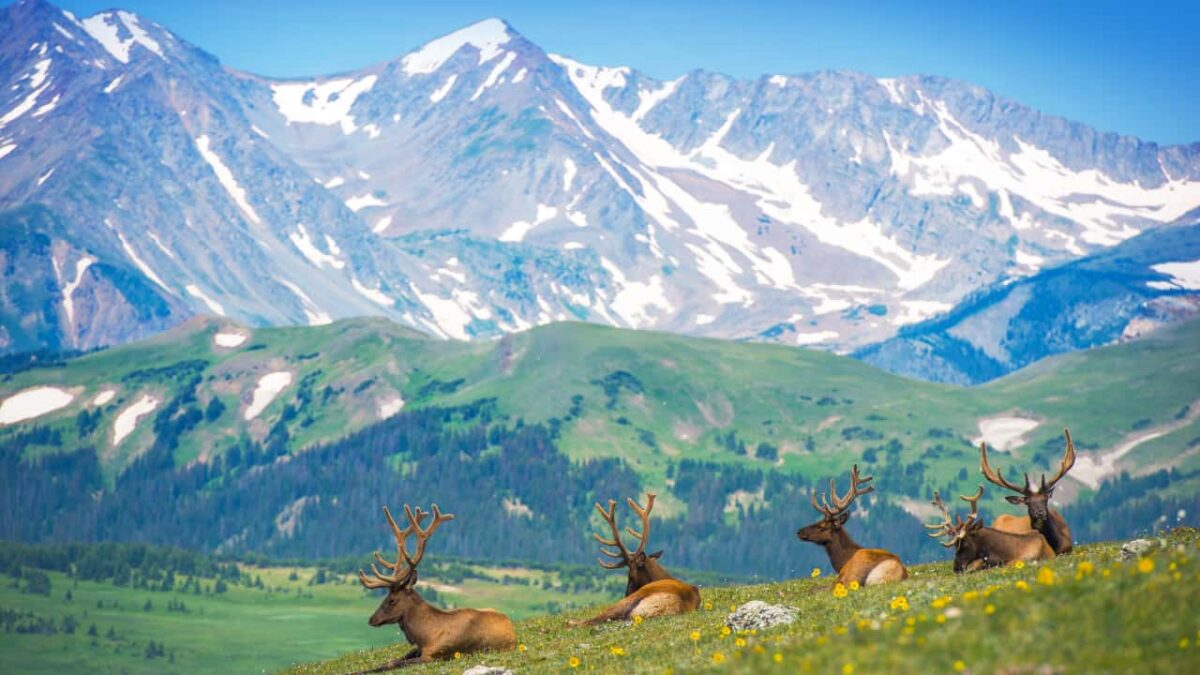
Where you camp dramatically affects your wildlife encounters. High-use campsites near popular access points see the most problems because animals have learned to associate these spots with food rewards.
Choose campsites that are:
- At least 200 feet from water sources (this is also Leave No Trace best practice)
- Away from obvious animal highways (game trails, between talus fields and meadows)
- Not in established sites if you suspect heavy bear or rodent activity
- Visible enough that you can see animals approaching
Above treeline camping (which you’ll do frequently on the CT) presents special challenges. You can’t hang food from trees, and rocky terrain is perfect marmot habitat. This is where bear canisters or properly secured Ursacks become essential.
The “Mini-Bears” of the Colorado Trail
Beyond marmots and bears, several other critters can impact your thruhike:
Chipmunks and Squirrels: Fast, clever, and numerous. They’ll raid poorly stored food in seconds. Less destructive than marmots but more numerous.
Mice: Primarily a concern at shelters or established campsites. They’ll chew into food bags overnight.
Porcupines: More interested in vehicle wiring at trailheads than backpacking gear, but they do seek out salt. If you see one near camp, secure everything.
Ravens and Jays: Smart birds that will investigate any food left unattended. They can open poorly secured stuff sacks and will rip into flimsy packaging.
Food Storage Execution: Step by Step
Using a Bear Canister:
- Place all food, toiletries, trash, and scented items inside (this includes toothpaste, sunscreen, lip balm, and your first aid kit if it has scented items).
- Seal it properly, ensuring the locking mechanism is fully engaged.
- Place it at least 100 feet from your tent in a flat, open area where you can find it in the morning.
- Don’t hide it, just set it down. Bears can’t open it, and marmots can’t chew through it.
- Pro tip: Mark the outside with reflective tape so you can find it easily with your headlamp.
Using an Ursack:
- Load all food and scented items into the Ursack.
- Tie it tightly to a tree trunk, large boulder, or rock outcropping using the provided cord.
- Make sure it’s tied low and tight, so animals can’t get leverage to work on it.
- Above treeline: Look for large, immovable boulders or rock features. Thread the cord around the rock and tie the Ursack as close as possible.
- Keep it at least 100 feet from your tent.
Special Considerations for Thruhikers
Resupply Planning: If you’re using a bear canister, plan resupplies for every 5-7 days maximum. The BV500 is your best bet for capacity.
Weight Management: A loaded BV500 can add significant weight to your pack. Plan your food carefully to maximize calorie density.
Shared Canisters: If hiking with a partner, consider whether you can share one large canister or if you each need your own. Two BV450s weigh more than one BV500 but distribute weight between packs.
Elevation and Wildlife Activity: Marmots are active during the day and hibernate in winter. If you’re hiking in early June or late September, marmot activity will be lower but still present. Bears are most active in late summer and fall as they prepare for hibernation.
High-Traffic Areas to Watch: Pay extra attention to wildlife protection near popular access points like Kenosha Pass, Georgia Pass, and anywhere near trailheads with day-hiker access.
What to Do If You Encounter Wildlife
Bears: If you see a bear, stay calm. Make yourself known by talking calmly and backing away slowly. Don’t run. Give the bear an escape route. Most black bear encounters on the CT end with the bear leaving quickly. They’re more afraid of you than you are of them.
Marmots: If a marmot approaches your gear, shoo it away firmly. Clap your hands, wave your trekking poles, and make it clear they’re not welcome. Don’t let them become comfortable around your camp. Some hikers report bold marmots that need to be physically deterred (carefully) with a trekking pole tap nearby.
Other Rodents: Similar approach. Prevention is easier than retrieval, but if a chipmunk grabs your energy bar, let it go. It’s not worth the chase.
Regulations You Need to Know
As of this writing, specific areas requiring hard-sided containers include:
- Certain corridor zones in Pike and San Isabel National Forests (particularly near popular car camping areas)
- Any wilderness area with posted food storage orders
Important: Regulations change. Always check with the Colorado Trail Foundation’s current food storage guidance and individual National Forest requirements before your thruhike.
If the CT takes you through Rocky Mountain National Park on an alternate route, note that hard-sided commercially-made bear-resistant food storage containers are required in RMNP between April 1 and October 31.
The Bigger Picture: Leave No Trace
Proper food storage isn’t just about protecting your gear and completing your thruhike. It’s about protecting wildlife. When bears, marmots, and other animals get human food, several things happen:
- They lose their natural foraging behaviors
- They become nuisance animals that approach humans
- Bears that become accustomed to raiding human food sources are apt to be relocated or, in worst-case scenarios, euthanized
- Rangers must implement increasingly strict regulations
Your careful food storage helps keep the Colorado Trail wild and accessible for future hikers.
Final Thoughts: Be Prepared, Not Paranoid
The Colorado Trail is an incredible experience, and wildlife encounters (when managed properly) add to the adventure rather than detracting from it. Most thruhikers never have serious wildlife problems because they follow basic precautions.
Invest in proper food storage, understand marmot behavior, choose your campsites wisely, and never leave gear unattended in high-use areas. These simple practices will keep your gear intact, your food secure, and your thruhike on track.
The wilderness is their home. You’re just passing through. Respect that, protect your gear, and enjoy every mile of Colorado’s high country.