
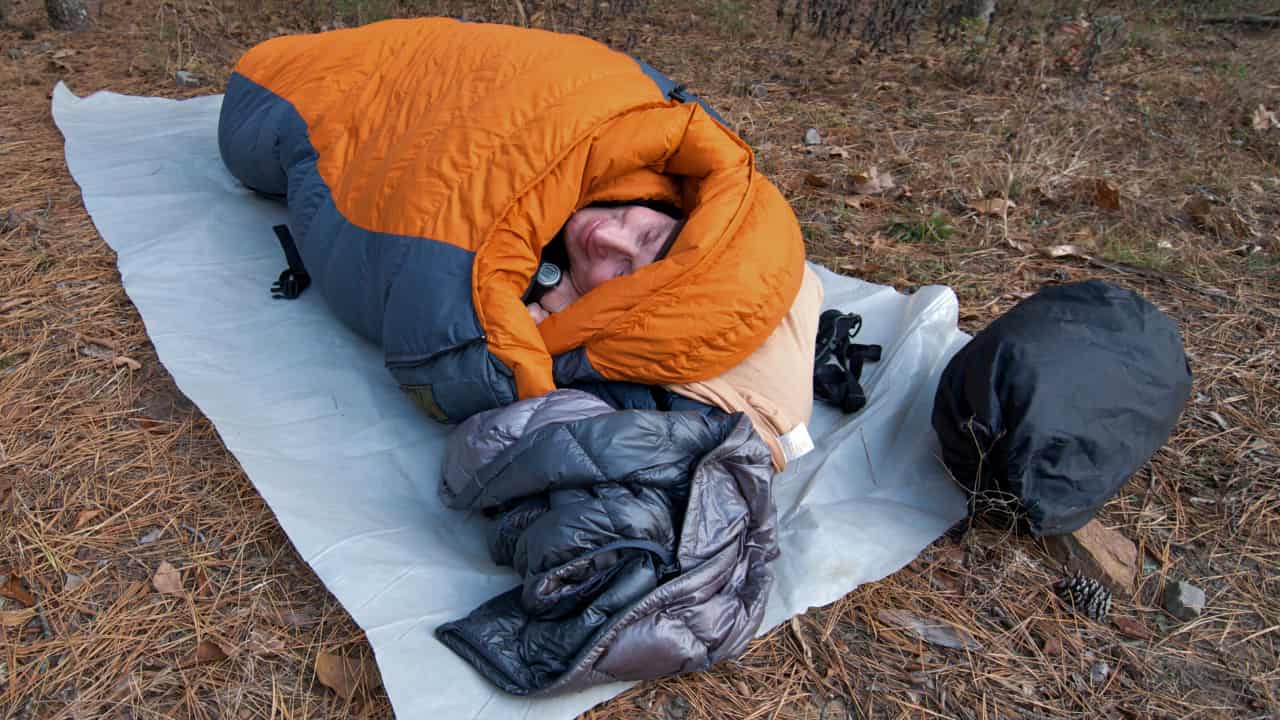
There’s something magical about falling asleep under a blanket of stars, with nothing between you and the night sky. Cowboy camping (sleeping without a tent or shelter) is one of the most rewarding experiences on a thru-hike, yet it intimidates many beginners. This guide will walk you through everything you need to know to cowboy camp confidently and safely.
What Is Cowboy Camping?
Cowboy camping means sleeping in the open air without a tent, tarp, or enclosed shelter. You simply roll out your sleeping pad, climb into your sleeping bag or quilt, and drift off under the stars. It’s the lightest, simplest way to sleep on trail: no stakes, no setup, no barriers between you and nature.
When Should You Cowboy Camp?
Clear weather is the primary requirement for cowboy camping. Check your weather forecast before committing to sleeping without shelter. Ideal conditions include cloudless skies, low chance of precipitation, and minimal wind.
Bug-free environments make cowboy camping far more enjoyable. Late spring and early summer often bring mosquitoes and biting insects that can make shelterless sleeping miserable. Fall typically offers the best cowboy camping conditions with fewer bugs and stable weather patterns.
Water-free sleeping areas are essential. Avoid camping in areas with heavy morning dew, near streams where moisture accumulates, or in meadows that trap condensation. Ridge lines and elevated areas typically stay drier than valleys.
Permitting regulations vary by trail and location. Some wilderness areas require you to camp a certain distance from water sources or trails. Always verify local regulations. Some areas mandate shelter use or prohibit camping in specific zones.
Why Cowboy Camp?
Weight savings are significant. Leaving your tent or tarp in your pack can save 1-2 pounds or more, which matters tremendously over hundreds of miles. Many thru-hikers eventually send their shelter home during stretches with reliable weather.
Faster camp setup and breakdown means more time hiking, resting, or enjoying sunset views. You can literally arrive at camp, roll out your pad, and be “set up” in under a minute. Morning departure is equally quick.
Unmatched stargazing transforms your evening. Without fabric overhead, you’ll watch satellites trace across the sky, identify constellations, and perhaps catch meteor showers. Many hikers cite these nights as their most memorable trail moments.
Better ventilation eliminates the stuffiness of enclosed shelters. You’ll stay cooler on warm nights and avoid the condensation that often soaks tent walls by morning. Your gear stays drier too.
Enhanced connection to nature deepens your outdoor experience. You’ll hear every sound: owls hunting, deer passing nearby, wind moving through trees. This immersion is what draws many people to long-distance hiking.
Protecting Your Sleeping Pad
Your sleeping pad is critical insulation and cushioning, and ground damage is a legitimate concern. Here’s how to protect it:
Choose your sleeping spot carefully. Clear away pinecones, sharp twigs, and rocks before laying down your pad. Look for soft, established campsites with packed dirt or pine duff rather than areas with thorny plants, broken branches, or sharp gravel.
Use a ground sheet or footprint underneath your pad. Options include:
- Polycryo (window insulation film): Extremely lightweight (often under 1 ounce), cheap, and effective for a few hundred miles
- Tyvek: More durable than Polycryo, typically 2-3 ounces, lasts an entire thru-hike
- Polycro sheets from camping companies: Pre-sized options available from various manufacturers
- Your pack’s rain cover: Dual-purpose gear that adds no extra weight
Many thru-hikers cut their ground sheet slightly smaller than their pad so it doesn’t catch morning dew or rain runoff. A ground sheet also keeps your pad cleaner, extending its life.
Inspect your pad regularly for small punctures. Catching damage early prevents major failures in the backcountry. Carry a repair kit with patches and adhesive. Most sleeping pad manufacturers include these, or you can buy lightweight repair tape like Tear-Aid.
Consider pad durability when purchasing. Thicker, more robust materials resist puncture better than ultralight options. If you plan to cowboy camp frequently, this durability may be worth a few extra ounces.
Essential Gear for Cowboy Camping
Beyond your standard sleep system (pad, sleeping bag or quilt), consider these items:
A bug bivy or headnet saves you on unexpectedly buggy nights. These weigh just 1-2 ounces and pack down tiny. A simple headnet lets you sleep with your face protected when mosquitoes appear at dusk.
An emergency shelter provides peace of mind. Many hikers carry an emergency bivy (6-8 ounces) or lightweight tarp as backup. You probably won’t use it often, but having the option matters when weather turns unexpectedly.
A puffy jacket or extra layer becomes your pillow and keeps you warm if temperatures drop. The same gear pulls double duty without adding pack weight.
A stuff sack for your pillow can be filled with your puffy jacket or extra clothes to create comfortable head support.
Safety Considerations
Wildlife awareness is important but shouldn’t cause paranoia. In most trail environments, following proper food storage protocols matters far more than where you sleep. Store food in bear canisters or hang bear bags according to local regulations. Animals are interested in your food, not your sleeping body.
Lightning risk is real. Never cowboy camp on exposed ridges or peaks during thunderstorm season. If storms threaten overnight, pitch your shelter or find protected camping below treeline.
Morning dew will dampen your quilt or sleeping bag’s exterior. This is normal and unavoidable. Plan extra time in the morning for condensation to evaporate before packing, or pack your sleep system slightly damp if you’re starting early. It will dry during the day if attached to your pack exterior.
Personal safety varies by location. Research your trail. Some areas near road crossings or popular access points may warrant using a shelter for security and privacy. Trust your instincts.
Tips for Your First Cowboy Camp
Start with a perfect night. Choose a warm, clear evening with zero precipitation forecast. Success on your first attempt builds confidence.
Camp with others initially. There’s comfort in numbers when trying something new. Experienced hikers can share site selection tips and ease any anxieties.
Set up near your shelter. If carrying a tent or tarp, pitch it fully but sleep outside. If weather changes or you feel uncomfortable, you can quickly move inside without full setup.
Embrace the experience fully. Put away your phone, skip the headphones, and simply exist in the moment. This is when cowboy camping transforms from a weight-saving technique into something profound.
Final Thoughts
Cowboy camping represents simplicity and freedom, which are core values of thru-hiking. While it requires favorable conditions and smart planning, the rewards are immense. You’ll carry less weight, move more efficiently, and experience nature more intimately.
Start cautiously, learn from each night out, and soon you’ll find yourself seeking opportunities to sleep under the stars. Many thru-hikers discover that their tent remains packed for weeks at a time during dry seasons. Those crystalline nights, when you’re watching the Milky Way before drifting to sleep with a gentle breeze on your face, become the moments you remember years later. These are the ones that define your trail experience.