
This website uses affiliate links which may earn a commission at no additional cost to you. As an Amazon Associate I earn from qualifying purchases.
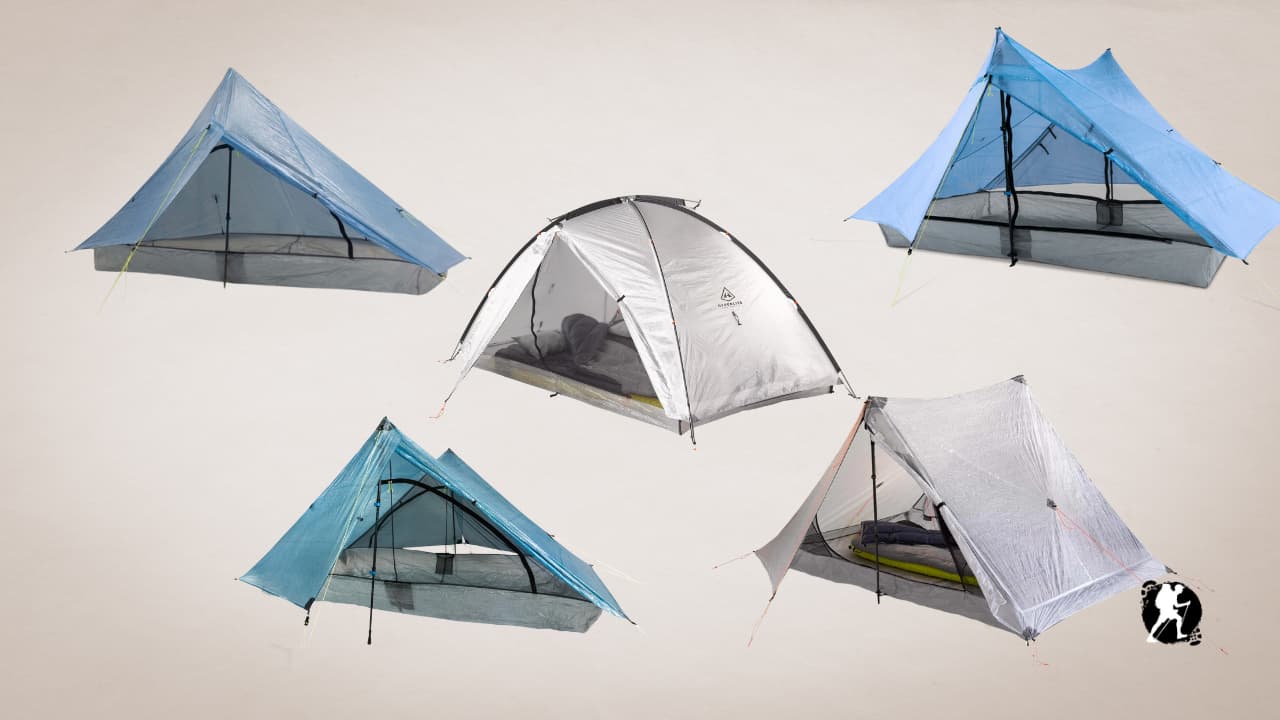
If you’re planning your first thru-hike, your tent will become your nightly sanctuary for months. Getting this decision right matters. You’ll find exceptional ultralight protection with the Plex Solo (11.7 oz, $599) for solo adventures, while the Unbound 2 (22 oz, $699-$729) offers quick trekking pole setup for two. The Pivot Duo (18.6 oz, $849) features magnetic toggles and steep walls that reduce condensation contact, and the CrossPeak 2 (34 oz) provides freestanding convenience with 42 inches of headroom when stakes aren’t an option. The beloved Zpacks Duplex (17.9 oz) remains the gold standard for 2,500+ mile thru-hikes with its proven overlapping storm doors. Each model brings unique advantages worth exploring to match your specific backpacking needs.
What Makes Dyneema Different
Before diving into specific tents, let’s talk about why Dyneema (also called DCF or Dyneema Composite Fabric) has become the material of choice for serious thru-hikers. This material is waterproof and doesn’t stretch when wet, unlike traditional silnylon that sags overnight and requires retensioning in the morning. The fabric itself is inherently waterproof without coatings, and the taped seams mean you won’t need to seal them with SeamGrip at home before heading out.
The strength-to-weight ratio is exceptional. You’re getting a tent that can handle harsh weather while weighing less than many sleeping bags. Most quality Dyneema tents will last through at least one complete 2,500+ mile thru-hike without major issues. Yes, the floor may develop small pinholes over time from abrasion, but these are easily patched with Dyneema repair tape.
The main trade-offs? Cost is the biggest one (expect $600-$850), and DCF tents are bulkier to pack than silnylon tents because the fabric doesn’t compress as much. They’re also semi-transparent, so people can see your silhouette inside, though thicker fabric weights offer more privacy.
Our Top 5 Dyneema Tents
1. Zpacks Plex Solo: Best for Solo Hikers
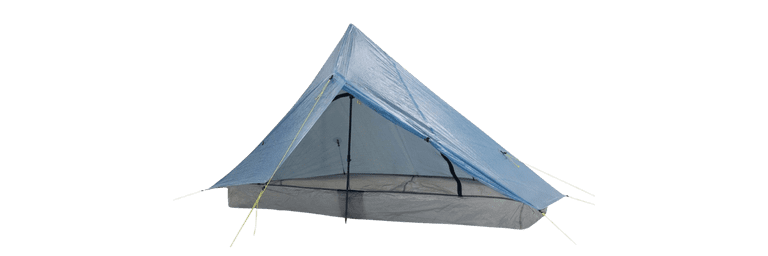
Weight: 11.7 oz (Lite Floor) / 14.5 oz (Standard Floor)
Price: $599
Setup: Single 52″ trekking pole
Floor Space: 20.6 sq ft
Peak Height: 52 inches
If you’re hiking alone and obsessed with keeping your pack light, the Plex Solo delivers. At just 11.7 ounces with the Lite Floor option, this is one of the lightest fully enclosed shelters you can buy. You’ll pitch it using a single trekking pole, and its compact footprint squeezes into tight backcountry campsites where larger tents won’t fit.
The PFAS-free Dyneema Composite Fabric construction means you’re avoiding harmful chemicals while getting exceptional durability. The taped seams eliminate maintenance hassles since you won’t need to seal anything before your trip. You’ll appreciate the overlapping storm doors that provide ventilation without letting rain in, fully enclosed insect netting, and bathtub floor design that prevents water splash-up during storms.
At $599, this USA-made tent represents serious value for solo hikers. The rainbow zipper screen door makes entry from either side easy, and field-replaceable zipper sliders mean you can fix problems on trail without sending your shelter home. Choose the Standard Floor if you’re camping on rougher terrain, or go with the Lite Floor to save 2.8 ounces if you mostly camp on soft forest duff.
2. Hyperlite Mountain Gear Unbound 2: Best Value
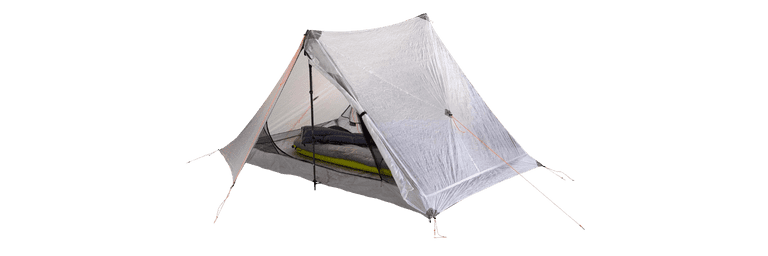
Weight: 22 oz
Price: $699 (White) / $729 (Spruce Green)
Setup: Two trekking poles
Capacity: 1-2 people
Floor Space: 28 sq ft (90″ x 48″)
The Unbound 2 is a thru-hiker-approved trekking-pole shelter that boasts a more straightforward setup than other tents in its class. At 22 ounces for a two-person shelter, you’re getting remarkable value considering the spacious interior and 100% Dyneema construction.
This single-wall design sets up quickly with two trekking poles and eight high-visibility guy lines that you’ll appreciate when breaking camp before sunrise. The rectangular floor measuring 90 by 48 inches gives you actual room to move, not the cramped tapered spaces some ultralight tents force you into. Two vestibules provide ample gear storage so your wet boots and backpack stay outside your sleeping area.
The three-dimensional side walls enhance durability by keeping fabric under appropriate tension. Verified users on multiple trails consistently praise this tent’s lightweight performance and surprising spaciousness. At $699 for the white version, this is the most affordable quality Dyneema tent on our list. The Spruce Green option costs $30 more but offers better opacity if privacy matters to you.
One consideration: like all single-wall tents, the Unbound 2 does not ventilate as well as double-wall designs, so expect some condensation on cold mornings. The mesh gaps at head and foot help but don’t fully solve this inherent single-wall limitation.
3. Zpacks Pivot Duo: Best for Couples

Weight: 18.6 oz (Lite Floor) / 22.4 oz (Standard Floor)
Price: $849
Setup: Two 52″ trekking poles + 32″ tent pole
Floor Space: 29.2 sq ft (84″ x 50″)
Peak Height: 52 inches
The Pivot Duo represents Zpacks’ latest thinking on what couples need in a backcountry shelter. At 18.6 ounces with the Lite Floor, this is remarkably light for a tent that accommodates two people comfortably. The steep walls are a standout feature because they prevent your sleeping bag from touching condensation-covered fabric, keeping you drier on humid nights.
With an innovative design that addresses many weaknesses of other one-person shelters, the Pivot Solo has very few downsides, and the Duo applies similar thinking to two-person use. Wide L-shaped entryways with magnetic toggles make getting in and out easier without wrestling zippers, while keeping insects firmly outside. The symmetrical design means you can orient either end into the wind.
Setup requires two trekking poles plus a 32-inch tent pole (included), and you’ll need eight stakes for a solid pitch. The PFAS-free bio-based Dyneema fiber construction gives you peace of mind about chemical exposure. Integrated mesh pockets keep headlamps and phones organized without adding weight.
At $849, this is the most expensive tent on our list, but you’re getting a durable shelter that sleeps hikers up to 6’5″ comfortably. Choose between Lite and Standard floor options depending on whether you prioritize weight savings or increased abrasion resistance.
4. Hyperlite Mountain Gear CrossPeak 2: Best Freestanding
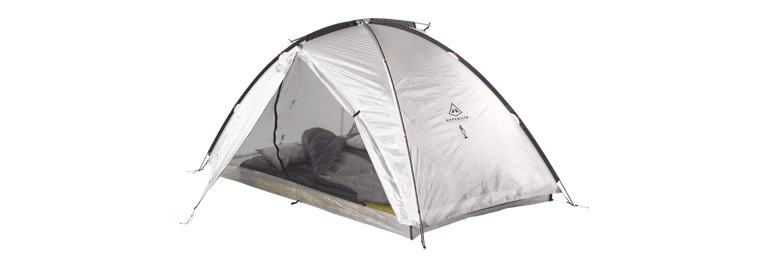
Weight: 34 oz
Price: $950.00
Setup: Freestanding with DAC aluminum poles
Floor Space: 28.4 sq ft
Peak Height: 42 inches
Sometimes you need a tent that stands up without stakes. Rocky alpine terrain, wooden platforms, and beach camping all benefit from a freestanding design, which is where the CrossPeak 2 excels. At 34 ounces (just over 2 pounds), this is seriously lightweight for a freestanding design that requires no trekking poles for setup.
The DAC aluminum poles from the same South Korean manufacturer that owns Helinox provide exceptional strength without the brittleness of carbon fiber. The X-pole design creates a rigid shell with 42 inches of headroom for sitting comfortably and moving around inside. Two deep vestibules handle gear storage, and the adjustable ventilation helps minimize condensation in humid conditions.
The single-wall DCF design means there is no additional rainfly nor ground cloth required to keep the elements out. Users consistently praise this tent’s stability in harsh weather and roomy interior that actually fits two people without feeling cramped. The high-visibility orange tie-outs and reflective binding make setup in low light much easier.
The CrossPeak 2 comes with two storage bags made of Dyneema, allowing the poles (12.8 oz) and tent itself (21.2 oz) to be carried separately and split between hiking partners. This is HMG’s first freestanding tent after years of producing trekking-pole shelters, and they’ve applied their Dyneema expertise well. Stakes aren’t included and largely aren’t needed, though you’ll want them for windy conditions.
5. Zpacks Duplex: Best Overall

Weight: 17.9 oz (Classic with Lite materials)
Price: $699 (Classic) / $799 (Pro)
Setup: Two trekking poles
Floor Space: 29.2 sq ft (Classic: 84″ x 45″, Pro: 84″ x 50″)
Peak Height: 48 inches
The Zpacks Duplex is the de-facto tent for thru-hikers, and for good reason. This tent has been voted the most popular ultralight tent by Appalachian Trail thru-hikers multiple years running. The Classic Duplex weighs 17.9 ounces with standard materials, making it light enough for solo use but spacious enough for two people who don’t mind being friendly.
The symmetrical design makes setup foolproof. You can orient either end into the wind depending on conditions, and the overlapping storm doors provide excellent ventilation without sacrificing weather protection. These doors have no zippers, just fabric that overlaps, which means fewer parts to break and easier access in the middle of the night.
The Dyneema Composite Fabric bathtub floor resists punctures and requires minimal maintenance. Setup is straightforward: anchor your two trekking poles at 48 inches, secure six stakes, and adjust the guy lines for tension. The semi-transparent canopy provides privacy while letting in ambient light, and mesh pockets keep your essentials organized.
You have choices here. The Classic Duplex starts at $699. The Duplex Lite sheds three ounces (down to 14.9 oz) with a narrower 40-inch floor for solo use or very friendly couples. The Duplex Pro ($799) adds 1.6 ounces but includes dual L-shaped mesh doors, reinforced guyout points, peak vents, and zippered vestibules for $200 more.
Available in three material weights, you can optimize for either ultimate weight savings (.55 oz/sqyd canopy) or enhanced durability (.75 oz/sqyd canopy). Many experienced hikers suggest considering the .75 oz canopy material for all-around insurance without too much weight penalty. Made in the USA with bio-based fiber, this tent withstands thru-hikes exceeding 2,500 miles, making it a legitimate investment for serious backpackers.
Understanding What You Need
Weight Matters More Than You Think
Every ounce you carry gets multiplied by thousands of steps. On a 20-mile day, carrying an extra pound means lifting 5,000 additional pounds over the course of your hike. The difference between a 34-ounce tent and an 18-ounce tent might not seem dramatic, but your knees and shoulders will feel it by month three of your thru-hike.
That said, don’t automatically choose the lightest option. A tent that’s too small, difficult to set up, or lacks adequate weather protection will make you miserable regardless of how little it weighs. Balance is key.
Solo vs. Two-Person Considerations
Many thru-hikers carry two-person tents for solo use because the extra space significantly improves livability. You can store your pack inside during storms, spread out gear for organization, and actually sit up comfortably. The Duplex is lightweight enough that solo hikers seriously consider using it as a spacious one-person tent, and many do exactly that.
If you’re hiking with a partner, ensure your tent actually fits two sleeping pads comfortably. A tent listed as “two-person” might squeeze in two narrow 20-inch pads but leave no room for gear. Look for floor widths of at least 45 inches if you both use standard pads, or 50+ inches if either person uses a wide pad.
Setup Complexity and Your Skill Level
Trekking pole tents require proper tensioning to achieve their rated weather protection. If you set them up poorly, they’ll be drafty, noisy, and prone to collapse in wind. The learning curve isn’t steep, but it exists. Expect to spend your first few nights fiddling with guy lines and stake placement.
Freestanding tents like the CrossPeak 2 are more forgiving for beginners. They stand up reliably with minimal fussing, though you’ll still want stakes in windy conditions. The trade-off is carrying 10-15 extra ounces compared to trekking pole designs.
Weather Protection Realities
Single-wall tents (where the rainfly and tent body are one piece) save weight but create condensation challenges. Your breath and body moisture have nowhere to go except the tent fabric, where they’ll condense overnight. By morning, you’ll often find water droplets on the interior walls.
This isn’t a design flaw; it’s physics. Strategies to minimize condensation include pitching with maximum ventilation, wiping down walls before packing, and accepting that some moisture is inevitable. In dry climates or winter conditions, condensation is less problematic. In humid environments or near water sources, expect damp mornings.
Taped seams on Dyneema tents provide excellent waterproofing without requiring seam sealer. The overlapping storm doors found on Zpacks tents allow airflow while keeping rain out. Steep walls help prevent your sleeping bag from contacting condensation-covered fabric.
Floor Durability Choices
Dyneema floors are incredibly waterproof but can develop pinholes from abrasion over time, especially on rocky or sandy terrain. This is normal and easily fixed with Dyneema repair tape that most manufacturers include. If you’re mostly camping on forest duff or grass, the Lite floor options save weight without concern. If you expect rougher terrain or don’t want to think about repairs, Standard floors provide extra peace of mind.
Some hikers carry an ultralight footprint (like Tyvek or window wrap) to protect their tent floor, though this adds 2-4 ounces. Others skip the footprint and accept that they’ll eventually patch small holes. Neither approach is wrong; choose based on your tolerance for maintenance.
Vestibule Storage
Two vestibules beat one vestibule every time when you’re hiking with a partner. Each person gets their own entrance and gear storage area, eliminating the need to crawl over your tent mate or shuffle gear around. Solo hikers benefit less from dual vestibules but appreciate the flexibility in different campsites.
Look for vestibule depth of at least 18 inches to fit a backpack under cover. The Unbound 2 and Duplex both provide generous vestibule space that accommodates boots, trekking poles, and a full-size backpack with room to spare.
The Cost Reality
Quality Dyneema tents cost $600-$850. This is a lot of money, and there’s no getting around it. For context, you could buy three silnylon tents for the price of one Dyneema shelter. The question becomes whether the weight savings and reduced maintenance justify the premium.
For thru-hikers covering 2,000+ miles, the answer is often yes. The weight reduction adds up significantly over months of hiking, and the durability means your tent will survive the entire journey. For weekend warriors hiking 20 nights per year, a silnylon tent might make more financial sense.
The Unbound 2 at $699 represents the best value in this category if you’re budget-conscious but want Dyneema performance. The Plex Solo at $599 is similarly priced for solo hikers.
Making Your Decision
Start by honestly assessing your hiking style. Solo hikers who prioritize weight above all should look at the Plex Solo or consider a two-person tent like the Duplex Lite for extra space. Couples need to decide between the Pivot Duo’s innovative design or the Duplex’s proven track record.
If you’re uncomfortable with trekking pole setup or frequently camp on rocky terrain where stakes won’t hold, the CrossPeak 2’s freestanding design solves those problems despite weighing more.
Consider your budget realistically. These tents last years with proper care, making them genuine investments rather than expenses. The expected lifespan of these shelters is at least one full 2,500+ mile thru-hike, or many years of casual use with some care.
Think about where you’ll be hiking. Humid environments benefit from tents with better ventilation like the Duplex Pro with its peak vents. Exposed alpine terrain requires bomb-proof staking and guy line systems. Forest camping works well with any of these tents.
Remember that no tent is perfect. You’re always making trade-offs between weight, durability, space, ease of setup, weather protection, and cost. The “best” tent is the one that matches your priorities and hiking style, not the one that wins the most awards or gets the highest ratings.
Your tent will become your home for months on a thru-hike. Choose something that makes you genuinely excited to pitch camp each night rather than something that only looks good on paper. The lightest tent means nothing if you’re miserable using it.
Final Thoughts
You’ve chosen to thru-hike, which means you already understand that discomfort and challenge are part of the experience. Your shelter won’t eliminate those things, but a well-chosen tent makes hard days more bearable. When you’re wet, tired, and questioning your life choices at mile 1,847, having a reliable sanctuary matters enormously.
Dyneema tents deliver exceptional performance through advanced materials and thoughtful design. They’re lighter than you might think possible while remaining genuinely protective in harsh weather. The premium cost reflects real engineering and quality materials, not marketing hype. These tents represent the cutting edge of ultralight shelter technology, proven by thousands of thru-hikers on trails worldwide.
Choose carefully, maintain your shelter properly, and it will serve you well through the adventure ahead. Your perfect tent isn’t about specs or weight; it’s about what lets you focus on the trail rather than your gear.