
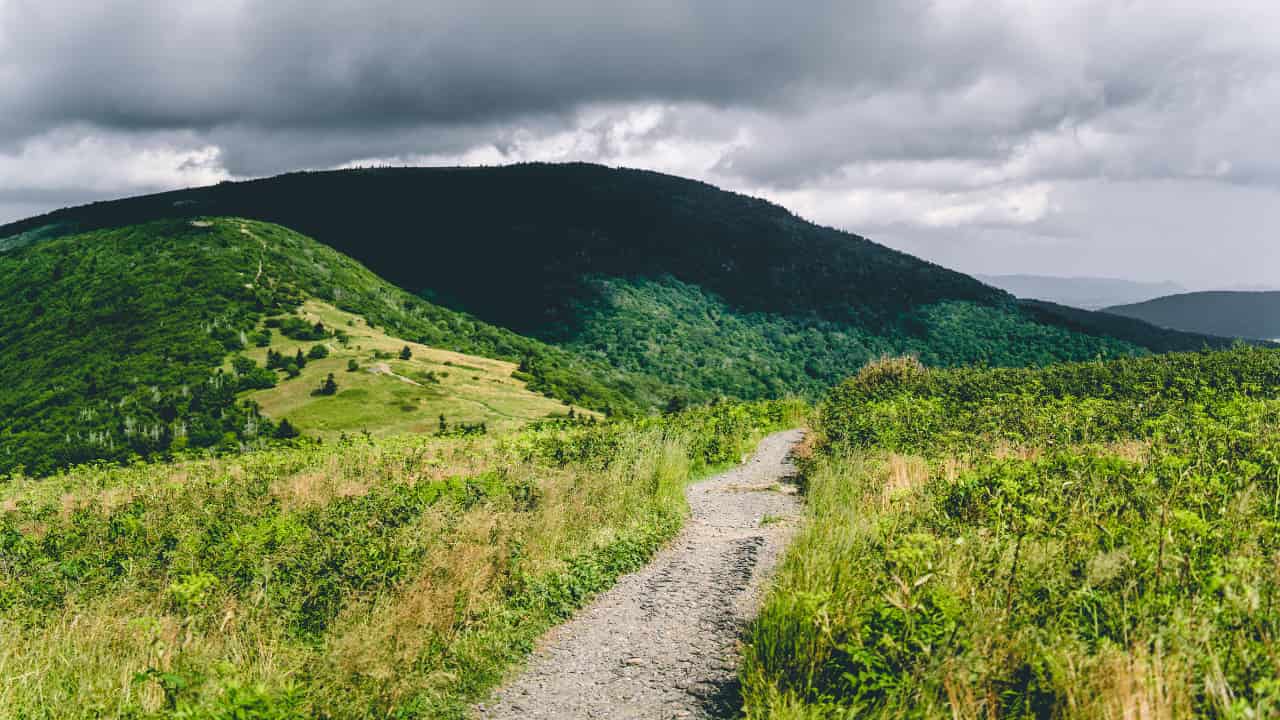
Planning your first AT hike? Whether you’re tackling a section or going for the full thru-hike, here are battle-tested tips from experienced hikers who’ve learned these lessons on trail.
Know Your Pace
Learn exactly how fast you hike on different terrain. Pay careful attention to your pace in relation to elevation gain and loss. This lets you predict exactly where you’ll be at the end of each day or week.
Why does this matter? When you’re calling shuttles or booking hostels, knowing your pace means you’re not waiting three hours at a pickup spot or sprinting that last mile to make it on time. Being able to tell your shuttle driver “I’ll be there at 3pm” three days in advance takes huge stress off your hike. You’ll actually enjoy the trail more when you’re not scrambling with logistics.
Pro tip: Plan conservatively at first. Most hikers in their 60s base plans on 1 mph with elevation gain. If you go faster, it’s a bonus. Don’t overestimate your daily mileage—many hikers who pushed 20-25 mile days early on ended up with vicious shin splints and had to take extended breaks to heal.
Water Wisdom
Never pass up a water source. Too many “reliable” sources turn out to be dry, and you don’t want to find yourself in a tight spot.
When you do filter, camel up every time. Drink as much as you can from your bottles, then fill them fresh. This ensures you stay hydrated even when sources disappoint.
Bring a water scoop! In fall especially, water sources get so low that trying to fill bags just stirs up mud puddles. A simple scoop makes all the difference.
Watch the weather forecast: If freezing temperatures are possible, sleep with your water filter and carry backup purification tablets (Aquamira or similar).
The Golden Rule
Drink before you’re thirsty. Eat before you’re hungry. Rest before you’re exhausted.
Starting Your Day
Get an early start, the earlier the better (also learn to enjoy hiking in darkness). Pound out your miles in the morning, then have time in camp to relax, clean up, and enjoy yourself. Summer thunderstorms typically pop up late afternoon, and you want your shelter already set up and dinner cooking, not scrambling in the rain.
That said, don’t kill 20 minutes every hour sitting on rocks snacking. Take your breaks, grab your photos, but keep moving efficiently.
Emergency Planning
Know your emergency exits. Even the best-prepped hiker needs escape routes. Study which way you’d go if sudden danger appeared; flooding, severe weather, medical emergency. You might navigate fine during daylight, but know your options if something happens at night.
Gear That Matters
Hiking poles aren’t optional. Whether it’s one pole or two, they’re too valuable to skip. Shop around and get a good pair.
Don’t go cheap on rain gear. Staying dry can be the difference between finishing your hike and quitting. A quality rain shell or poncho is worth every penny.
Always pack a rain shell. Weather changes fast out there.
Get your pack properly fitted by someone who knows what they’re doing. Your shoulders will thank you for 2,000 miles.
Invest and swap for good footwear. Your feet carry you the entire way. Break in your boots or trail runners before you start, and consider swapping a backup pair for before they are falling apart.
Headlamp with extra batteries. Essential for early starts, late finishes, and nighttime camp tasks.
First aid kit basics: Band-aids, blister treatment, pain relievers, anti-diarrheal, and any personal medications. Know how to use everything in it.
Food and Cooking
Test your camp stove on shakedowns before hitting the trail. Know how it works, how long fuel lasts, and have a backup lighter.
Pack calorie-dense foods. You’ll be burning 4,000-6,000 calories per day. Nuts, nut butters, cheese, dried fruit, and chocolate are trail favorites. Also eat well in town, don’t let your body fail you over the months.
Don’t skimp on electrolytes. Salty foods, salt tablets or electrolyte drink mixes help prevent cramping and exhaustion.
Blister Prevention
Toe socks under your regular socks. Multiple hikers, including myself, swear by this with 1,000+ miles without a single blister.
If you do feel any hot spots developing, I advise you wrap Leukotape around your trekking pole so it’s always accessible. Don’t wait until you’re digging through your pack looking for it.
Make sure to take time to dry socks during the day if your feet get wet. Wet feet blister faster.
Unexpected Essentials
Hard candy. Lifesavers, Werther’s, Red Hots… whatever you like. When water is low or gone and refill is still miles away, hard candy creates saliva. It’s been a literal lifesaver for many hikers.
A buff wrapped around your wrist. Dip it at water sources to wipe sweat, but especially to easily pull off spider webs if you’re the lead hiker in your group.
Duct tape or repair tape wrapped around your poles or water bottle. For quick gear fixes on trail.
Zip ties and safety pins. Lightweight and endlessly useful for repairs.
Navigation and Communication
Download offline maps to your phone before each section. Don’t rely solely on cell service.
Carry a paper map and actually know how to read it. Technology fails, batteries die, phones break.
Let someone know your plans. Share your itinerary with a trusted person back home and check in when you have service.
Consider a personal locator beacon (PLB) or satellite communicator for the trail to help if an accident happens or if you have family at home to help them stay calm seeing updates, especially if hiking solo.
Training Smart
Don’t assume you’re physically prepared. Do squats, step-ups, core training, treadmill on 15% incline, and walk with your pack year-round. Your hikes will be exponentially better. Also take some time out to walk backwards to work out the additional muscles and ligaments.
For downhills specifically: Bulgarian squats help strengthen legs for more than just impact. Many hikers have knee issues going down, not up. Proper leg strengthening makes all the difference.
Train with your actual pack weight. Your body needs to adapt to carrying those consistent 20-30 pounds before you hit the trail.
Hygiene Matters
Wash your hands whenever possible not just using hand sanitizier as this will help to avoid noro infections. Trail sicknesses spread fast and can derail your entire hike.
Don’t sleep in wet socks. Just don’t. Please.
Pack out all toilet paper or learn to use natural alternatives. Follow Leave No Trace principles; dig catholes 6-8 inches deep, 200 feet from water sources.
Bring biodegradable soap for dishes and occasional body washing (still use it 200 feet from water sources).
Reading Your Guidebook
Read past the section you’re planning. Great information is sprinkled throughout the A.T. Guide, not just in your immediate section. Thumb through the entire book and bookmark helpful content on your phone so you know where to find them.
Pacing Your Hike
Keep the miles modest, especially early on as 8 miles may be all you can do at first, don’t press too hard and derail your whole trek. The trail becomes far more enjoyable at 15-16 miles per day than when you’re limping along with injuries from pushing too hard.
Start low mileage your first week to start building up those vital trail legs, then settle into your rhythm.
Listen to your body. Pain is different from discomfort. Know when to push through and when to rest.
Don’t quit on a bad day. Everyone has them. Push through and reassess tomorrow. Worst case give yourself 2-3 days in a town to reset, you may find yourself ready to head back out.
Mental Game
Don’t let other people get in your head. You know what your body is capable of. Trying to speed up or slow down just because of others’ advice can damage your mind, body, and overall experience. Take what you need from advice and leave the rest.
Trust your gut. We have instincts for a reason.
Bring a positive attitude, it’s as important as physical condition or maybe more. You must be able to adapt to changes.
Hike your own hike (HYOH). Don’t compare your experience to others. Your journey is your own.
Practical Planning
Keep a journal of weather conditions, daily mileage, elevation gain/loss, food consumed, and gear you didn’t use. This helps you plan more efficiently for your next section.
If hiking with others, make sure you share the same priorities about mileage, stopping points, and rest stops. Mismatched expectations ruin partnerships fast.
When talking to hiking partners, stop and turn around rather than talking while walking. Roots and rocks aren’t forgiving, and twisted ankles end hikes.
Don’t obsess about weight. You’ll lose it as you go anyway.
Test all your gear before the trail. Set up your tent, cook with your stove, sleep in your sleeping bag. Find problems at home on shakedowns, not while out on trail.
Town Stops and Resupply
Hostels now seem to cost nearly as much as hotels. If you actually want to relax in a comfy, private room, consider getting a hotel instead.
Charge all devices when you hit town. Phones, battery banks, headlamps… top everything off.
Resupply strategically. Mail drops work for some hikers, but many prefer buying food in trail towns for flexibility.
Take a zero day when you need it, not just when it’s scheduled. Rest is part of the journey.
The New Hampshire/Maine Reality
Once you hit NH and ME, all planning goes out the window. The terrain is so unpredictable that knowing your typical pace becomes less helpful. Be prepared for this mental shift after Virginia. The White Mountains and Maine’s 100-Mile Wilderness demand adaptation and different strategies.
Weather and Seasons
Layer your clothing. The weather changes dramatically throughout the day and with elevation. Dress in layers you can add or remove.
Start your thru-hike at the right time. Most northbound thru-hikers start in March or early April from Springer Mountain.
Be prepared for all four seasons if thru-hiking. You’ll experience everything from Georgia spring to potential October snow in Maine.
Safety Essentials
Bear awareness matters, especially in the Smokies and farther north. Hang your food properly or use bear canisters where required.
Tick checks every day. Lyme disease is real and prevalent on the AT. Wear permethrin-treated clothing.
Know the signs of hypothermia and heat exhaustion. Both can be life-threatening if ignored.
Shelter from lightning. Get off ridges and peaks when storms approach.
The Ultimate Tip
Quit worrying. Start walking.
The Appalachian Trail teaches you what you need to know, but only if you’re out there experiencing it. Your first section won’t be perfect, and that’s exactly how it should be. Every mile makes you a better hiker.
A journey of 2,190+ miles begins with a single step.
See you on trail.