
When you’re planning your first thru-hike, there’s one topic that doesn’t get discussed enough in trail videos and gear reviews: how to go to the bathroom in the woods. If you’re imagining months on the Appalachian Trail, Pacific Crest Trail, or Continental Divide Trail, understanding proper waste disposal isn’t just important, it’s essential for protecting the wilderness and keeping the trail experience pleasant for everyone.
Let’s talk about cat holes, the primary method thru-hikers use for solid human waste disposal in backcountry areas.
What Is a Cat Hole?
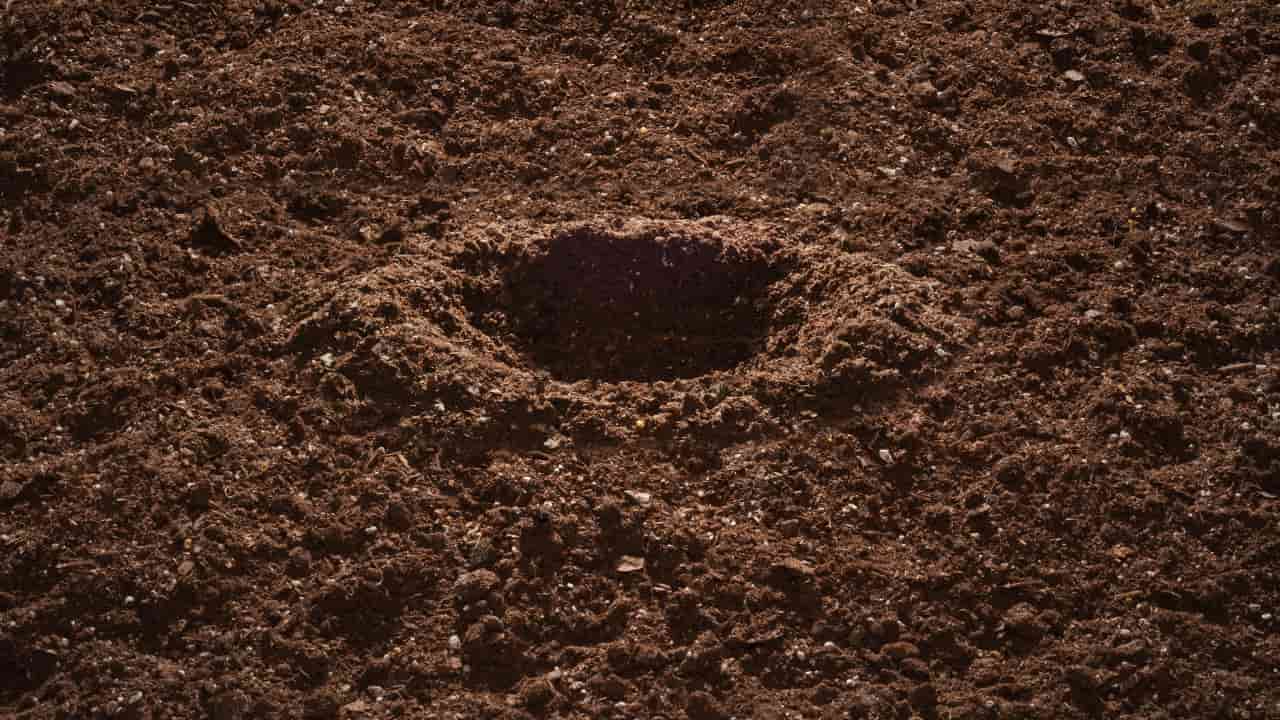
A cat hole is a small hole you dig in the ground, typically 6 to 8 inches deep and 4 to 6 inches in diameter, used for disposing of human solid waste. The name comes from the cat-like behavior of digging a hole and covering it back up. This simple technique allows natural soil bacteria to break down waste over time while keeping it away from water sources, campsites, and trails.
Think of it as a temporary, biodegradable toilet that you create and dismantle each time nature calls.
Why Cat Holes Matter for Leave No Trace
Leave No Trace (LNT) principles guide backcountry ethics, and proper human waste disposal is principle number three. When done correctly, cat holes prevent water contamination, reduce disease transmission, protect wildlife, and preserve the wilderness experience for other hikers.
Improper waste disposal can contaminate streams and lakes with harmful pathogens like Giardia and E. coli, making water sources unsafe for both humans and animals. It also creates unsightly and unsanitary conditions on popular trails. With thousands of hikers using major trails each year, individual actions multiply quickly. Your diligence matters.
The Essential Tool: Your Trowel
Every thru-hiker needs a dedicated backpacking trowel in their pack. This lightweight tool makes digging proper cat holes possible in various soil conditions.
Popular trowel options include:
The Deuce of Spades weighs under an ounce and features a pointed design that penetrates hard soil effectively. Many thru-hikers consider it the gold standard for its durability and minimal weight.
The TentLab Deuce #2 offers similar performance with a slightly different handle design, while The Bogler provides a saw edge and then there is always the basic orange garden trowels provide budget-friendly alternatives, though they’re heavier.
Some ultralight hikers use tent stakes for digging, but these struggle in rocky or compacted soil. A proper trowel is worth the half-ounce to one-ounce weight penalty for the reliability it provides over thousands of miles.
How to Dig a Proper Cat Hole
Location matters as much as technique. Choose a spot at least 200 feet (about 70 adult steps) from water sources, including streams, lakes, and springs. Stay 200 feet from trails and campsites as well. Look for organic soil rich in decomposing matter, as this contains the bacteria needed to break down waste.
Avoid areas where water might flow during rain, sandy beaches near water, and spots with signs of previous use. If you’re in an alpine zone above treeline, you may need to carry waste out entirely, which we’ll discuss shortly.
Digging technique: Use your trowel to dig a hole 6 to 8 inches deep and 4 to 6 inches wide. The specific depth matters because most soil organisms that decompose waste live in the top layer of soil. Too shallow and animals may dig it up or rain may expose it. Too deep and decomposition slows dramatically.
Set the excavated soil aside in a neat pile. After use, add a small amount of soil and mix it with a stick to introduce more bacteria. Then fill the hole completely, mounding it slightly since the soil will settle. Disguise the site with natural materials like leaves or pine needles.
Toilet Paper Considerations
The question of toilet paper disposal generates ongoing debate in the hiking community, but the most widely accepted LNT practice is clear: pack it out.
Used toilet paper takes months or even years to decompose, and partially decomposed toilet paper flowers littering popular camping areas create an unpleasant experience for other hikers. Wildlife may also dig up buried toilet paper.
Best practice: Bring dedicated waste bags (often called “poo bags” or “dog poop bags”) or a small, sealable plastic bag. Place used toilet paper inside, seal it, and carry it in an outer pocket until you reach a trailhead trash can. Some hikers use a small dry bag marked specifically for this purpose.
If you absolutely must bury toilet paper, use plain white, unscented paper (which decomposes faster than quilted or colored varieties), and only in areas where regulations permit it. Never bury paper with menstrual products, which should always be packed out.
Many experienced thru-hikers adopt the natural wipe method using smooth stones, snow, or leaves (avoiding poisonous varieties like poison ivy, of course). This eliminates the need to pack out paper entirely.
When Cat Holes Aren’t Appropriate
Not every backcountry situation allows for cat holes. Wag bags (short for Waste Alleviation and Gelling bags) are required in specific environments and circumstances.
You must use wag bags in:
Popular or high-traffic areas where land managers require them to prevent human waste accumulation. Many sections of the Sierra Nevada, portions of Mount Whitney, and certain areas of the Colorado Trail mandate wag bag use.
Alpine and high-elevation zones above treeline where thin soil, harsh conditions, and slow decomposition rates mean waste won’t break down properly. Cold temperatures significantly reduce bacterial activity.
Desert environments with minimal organic soil, where decomposition happens extremely slowly and animals are more likely to disturb buried waste.
Water-sensitive areas near pristine lakes, along river corridors, or in narrow canyons where proper 200-foot spacing from water is impossible.
Check regulations for your specific trail section before starting. Rangers and trail organizations provide current information about where wag bags are required. Many long trails have specific sections where rules change based on terrain and usage patterns.
Wag Bag Basics
Wag bags contain chemical gelling agents that solidify waste and neutralize odors, making it safe to carry until you reach a proper disposal point. Popular brands include Cleanwaste GO Anywhere Portable Toilet and Restop 2.
Most wag bags feature double-bag systems: an inner bag where you do your business, which you then seal inside an outer bag. Bring hand sanitizer, as you won’t have running water for washing afterward. Designated disposal locations exist at many trailheads in areas where wag bags are required.
Building Good Habits
Your first few cat holes might feel awkward, but this quickly becomes routine. Successful thru-hikers develop systems that work for them. Some keep their trowel in the same pack pocket every time, attached to a small stuff sack that holds toilet paper, hand sanitizer, and waste bags. Others keep a dedicated “bathroom kit” that they can grab quickly when needed.
Scout your location while there’s still daylight if you’re camping overnight. Nothing is worse than searching for an appropriate spot with a headlamp in an emergency. Notice the terrain and distance to water during the day so you can navigate there easily later.
Practice at home if you want to build confidence before your hike. Dig a cat hole in your backyard to understand the technique and test your trowel in different soil conditions.
The Bigger Picture
Proper waste disposal protects the wilderness areas we love while keeping trails enjoyable for the communities of hikers who will follow your footsteps. When thousands of people pass through the same wilderness corridor each year, individual choices about where and how to dig cat holes create cumulative impacts that last for seasons.
You’re joining a community of people who care deeply about these wild places. By taking time to dig proper cat holes, pack out toilet paper, and use wag bags when required, you’re showing respect for the land and for fellow hikers.
Now you have the knowledge to handle this essential aspect of backcountry travel with confidence. Get your trowel, understand the principles, and you’ll be ready to hike responsibly for the long miles ahead.