
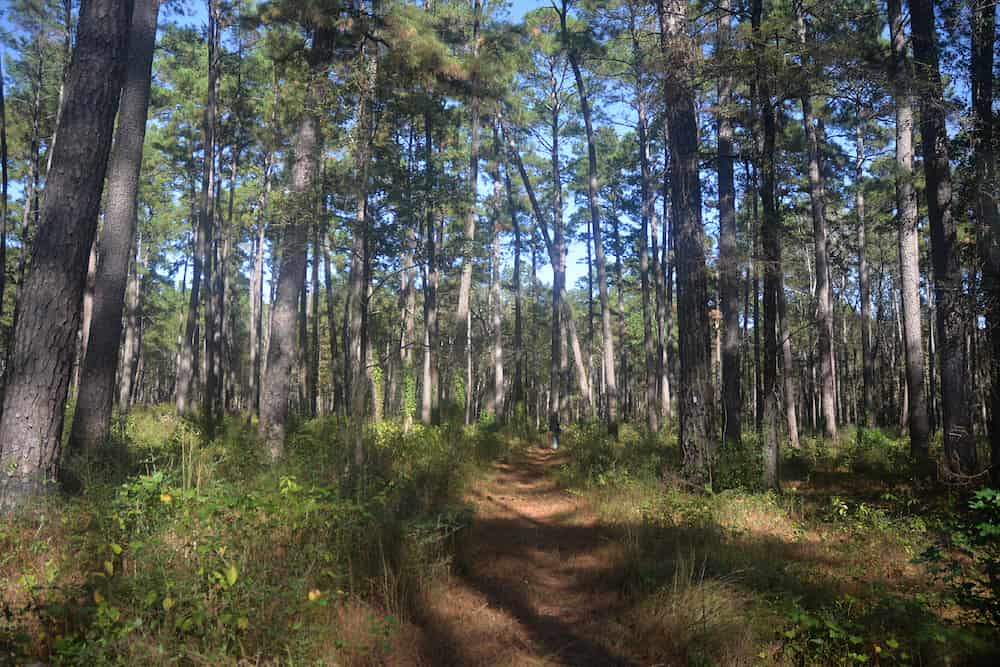
Planning your first thru-hike of the Lone Star Hiking Trail? Timing isn’t just important, it’s everything. The 96-mile trail winding through Sam Houston National Forest can be a pleasant woodland journey or a brutal slog depending on when you lace up your boots. This guide will help you choose the perfect time to tackle Texas’s longest continuous hiking trail.
The Prime Window: January Through April
Most experienced hikers agree: late winter and early spring offer the best conditions for thru-hiking the Lone Star Trail. Here’s what makes this window so appealing.
January and February bring the coolest temperatures of the year, with daytime highs ranging from 53°F to 57°F and nighttime lows dipping to 38°F to 41°F. While you’ll need to pack warmer layers for chilly mornings and evenings, these months eliminate two of Texas’s biggest trail challenges: oppressive heat and aggressive insects. The mosquitoes, ticks, and biting flies that plague warmer months are virtually absent, making for peaceful hiking and comfortable camping.
March emerges as many hikers’ top choice, offering a sweet spot of conditions. Temperatures climb into the comfortable 60s during the day (averaging 67°F), hunting season has ended, and you can camp anywhere along the trail without restrictions. Spring hasn’t fully arrived yet, meaning you’ll avoid the heaviest rainfall while still enjoying mild weather. Bugs remain minimal, and the forest begins showing signs of life without becoming overgrown.
Early April extends the prime season before conditions shift. You’ll experience warmer days around 75°F, which feels pleasant under the forest canopy. Wildflowers, including Texas bluebonnets, begin blooming, adding visual interest to your journey. However, timing is critical here because mid-to-late April marks a transition period.
Why Late Spring Gets Complicated
Late April through May presents increasing challenges that can make or break your thru-hike. While temperatures in May average a warm 83°F, the real issue isn’t heat alone, it’s the combination of factors that intensify together.
Spring thunderstorms become frequent and severe during this period, bringing heavy downpours that can render trail sections impassable. The Lone Star Trail crosses numerous creeks and low-lying areas that flood quickly. What was a simple creek crossing in the morning can become a dangerous torrent by afternoon. Some sections may remain underwater for days after storms, forcing detours or delays.
Rising humidity levels compound the heat, making 80-degree days feel significantly hotter. The forest canopy provides shade but also traps moisture, creating a sauna-like environment that saps energy quickly and increases dehydration risk.
Insect populations explode as temperatures warm and standing water from spring rains creates breeding grounds. Mosquitoes swarm in biblical proportions, ticks become active in leaf litter, and various biting flies make their presence known. You’ll spend as much time swatting insects as admiring scenery.
Summer: Only for the Extremely Determined
June through August represents the trail’s most brutal season, and most experienced hikers strongly advise against summer thru-hikes unless you have no other option.
Temperatures regularly exceed 90°F and often climb past 95°F, with August averaging 95°F during peak heat. Under the forest canopy with high humidity levels, these temperatures feel oppressive. The heat index, which combines temperature and humidity, can reach dangerous levels exceeding 110°F, putting hikers at serious risk of heat exhaustion and heat stroke.
Humidity remains extremely high, typically 70-90%, making it feel like you’re breathing through a wet towel. Your body struggles to cool itself through perspiration because sweat doesn’t evaporate efficiently in such humid conditions. Even experienced hikers find maintaining a steady pace nearly impossible.
Insect pressure reaches its peak during summer months. Mosquitoes are relentless, ticks are abundant, and chiggers become a constant irritation. You’ll need to apply insect repellent multiple times daily and still face constant buzzing around your head.
Water consumption skyrockets in summer heat, requiring you to carry more weight and plan more carefully around water sources. The trail has sections with 13 miles between reliable water sources, meaning you might need to carry several liters, adding significant pack weight when you’re already struggling with heat.
If you absolutely must hike during summer, start hiking at dawn, take an extended midday break in the shade, and hike again in the evening. Carry extra water, know the signs of heat-related illness, and consider hiking shorter daily distances.
Fall: A Second Window Opens
Late October through November offers another excellent window for thru-hiking, though it comes with important considerations.
Comfortable temperatures return, with October averaging 76°F and November cooling to 63°F. These conditions feel pleasant for hiking, and the changing foliage adds visual interest to the forest. Humidity levels drop from summer’s oppressive levels, making the warm days much more tolerable.
However, hunting season creates significant restrictions that you must account for. From late September through early January, the Sam Houston National Forest allows deer hunting. During this period, the trail remains open, but camping becomes heavily restricted.
You must camp only in designated camping areas during hunting season, which are marked along the trail. This restriction limits your flexibility for planning daily mileage and campsite selection. If you prefer hiking your own pace and stopping when you feel tired, hunting season constraints may frustrate you.
Safety requires wearing highly visible orange clothing throughout hunting season. Many hikers wear orange vests or hats to ensure hunters can easily distinguish them from game animals. While hunting accidents involving hikers are extremely rare, wearing visible colors provides peace of mind and is strongly recommended.
Early November before hunting ends can work well if you’re comfortable with camping restrictions and wearing orange. Late November and December bring cooler temperatures similar to winter’s prime conditions, but camping limitations remain in effect until early January.
East to West or West to East: Does Direction Matter?
Unlike trails with significant elevation changes or prevailing wind patterns, the Lone Star Trail plays fairly neutral regarding direction because it’s remarkably flat with only 3,576 feet of total elevation gain spread across 96 miles.
Most hikers choose based on logistics rather than terrain advantages. The western trailhead near Richards (Trailhead #1) and the eastern terminus near Cleveland offer similar access to services and transportation.
Starting westbound (Cleveland to Richards) means you’ll encounter the Big Creek Scenic Area earlier in your hike when your energy is fresh. This section features the trail’s most diverse tree species and some of its prettiest creek crossings, making it a highlight worth experiencing before trail fatigue sets in.
Starting eastbound (Richards to Cleveland) allows you to save the scenic sections for later, potentially giving you something to look forward to during the middle miles when motivation sometimes wanes.
The resupply point at Huntsville State Park sits roughly at the trail’s midpoint regardless of direction, so that doesn’t factor into directional decisions.
Ultimately, choose your direction based on transportation logistics and personal preference rather than worrying about tactical advantages. The trail hikes pleasantly in either direction.
Month-by-Month Breakdown
January: Coolest month (38-53°F). Excellent conditions, minimal bugs, potential for chilly nights. Hunting season ends early January, opening camping flexibility.
February: Still cool (41-57°F). Great hiking weather, bugs still dormant, full camping flexibility. Pack warm layers.
March: Ideal month (48-67°F). Most popular choice. Comfortable temps, minimal precipitation, no bugs, unrestricted camping.
Early April: Good conditions (54-75°F). Warming but pleasant, early wildflowers, increasing bug activity.
Late April-May: Transition period (62-83°F). Rising heat and humidity, heavy thunderstorms, flooding risk, significant bugs. Conditions deteriorate rapidly.
June-August: Extreme heat (71-95°F). Oppressive humidity, dangerous heat index, maximum bugs, high water needs. Only for the desperate or experienced.
September: Still hot (67-88°F). Conditions remain challenging. Hunting season begins late month, restricting camping.
October: Improving (56-76°F). More comfortable but hunting restrictions apply. Must camp in designated areas, wear orange.
November: Pleasant temperatures (47-63°F). Good hiking weather but hunting season continues. Camping restrictions remain.
December: Cool and nice (38-56°F). Excellent temperatures but hunting season and camping restrictions continue through early January.
Special Considerations for Timing
Trail maintenance occurs primarily in cooler months, with volunteer groups working to keep the trail clear. If you hike during the peak January-March window, you’ll likely encounter well-maintained trail conditions.
Crowds remain light year-round on the Lone Star Trail, even during prime season. Unlike popular trails elsewhere, you won’t face competition for campsites or deal with constant trail traffic. Some hikers report going days without seeing another person during off-peak times.
Wildflower viewing peaks in late March through April if you time your hike right. Texas bluebonnets and other native flowers create colorful displays, though you’ll trade increased bugs and storm risk for the blooms.
Trail conditions vary with recent weather more than season alone. A wet winter or early spring can leave sections muddy regardless of typical seasonal conditions. Check recent trip reports before your hike and be prepared to adjust plans based on current trail conditions rather than relying solely on seasonal averages.
Making Your Final Decision
For most beginners, March represents the optimal choice, offering the best balance of comfortable temperatures, minimal bugs, unrestricted camping, and stable weather patterns. If March doesn’t fit your schedule, aim for late January through early April.
Experienced hikers comfortable with heat might consider late October or early November, accepting hunting season restrictions for the benefit of pleasant fall temperatures and smaller crowds.
Avoid May through September unless you have compelling reasons and experience hiking in extreme heat and humidity. Summer thru-hikes are possible but will test your physical and mental endurance in ways that diminish the enjoyment factor significantly.
Remember that the best time to hike is the time that works for your schedule, preparation level, and comfort with various conditions. Use this guide to understand what each season offers, then choose the window that aligns with your priorities and constraints. The Lone Star Trail rewards hikers in every season, but some months make the reward easier to claim than others.
Check current conditions, consult recent trip reports, and prepare appropriate gear for your chosen timeframe. With good timing and proper preparation, your Lone Star thru-hike will be a memorable introduction to long-distance hiking.