
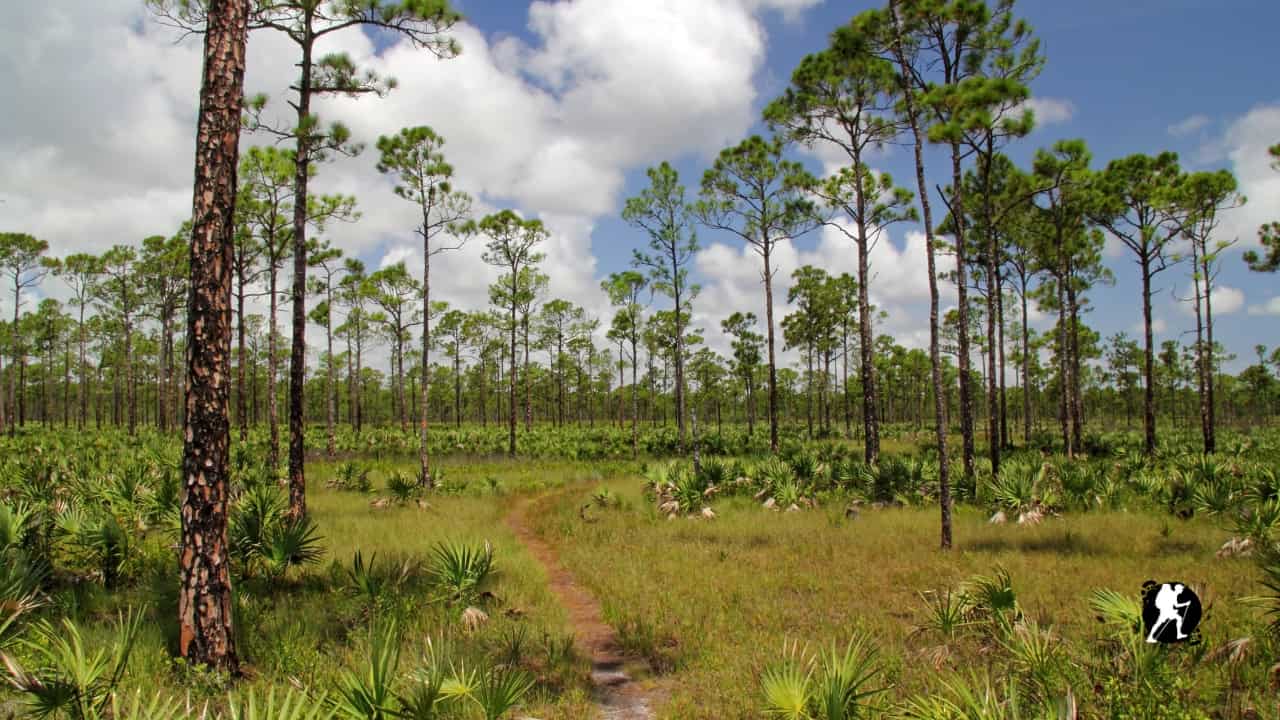
When planning your Florida Trail thru hike, timing isn’t just important, it’s everything. Unlike the Appalachian Trail or Pacific Crest Trail where you chase spring northward, the Florida Trail operates on an entirely different seasonal rhythm. Understanding when to start your journey can mean the difference between a challenging adventure and a dangerously uncomfortable experience.
Florida’s Inverted Hiking Season
The most important concept to grasp about the Florida Trail is that the hiking season is completely opposite from the rest of the United States. While northerners dream of spring and summer trails, Florida’s prime hiking window runs from late October through April, with the sweet spot being January through March.
This inverted season exists for one simple reason: Florida’s subtropical climate. When the rest of the country bundles up for winter, Florida finally cools down enough to make long-distance hiking feasible. The state’s intense summer heat, suffocating humidity, and relentless afternoon thunderstorms make warm-weather hiking not just uncomfortable, but genuinely dangerous.
Why January is the Golden Start Month
The vast majority of Florida Trail thru hikers start their journey between January 1st and 5th, and there are four critical reasons why:
1. Avoiding Extreme Heat
Starting in early January allows you to complete your hike by late March or early April, before the brutal heat returns. Beginning in April, daytime temperatures regularly climb above 90°F (32°C). Combined with Florida’s notorious humidity, your body struggles to cool itself effectively, making heat stroke a real and serious danger.
By mid-summer, the situation becomes even worse. Intense afternoon thunderstorms appear daily, bringing lightning that poses extreme risk on Florida’s exposed terrain. Many sections of trail become completely submerged under floodwaters during the wet season.
2. Staying Within the Dry Season
Florida experiences distinct wet and dry seasons. The dry season runs from December through March, which perfectly aligns with the thru-hiking window. During these months, water levels drop, trails dry out (relatively speaking), and you’ll encounter far fewer mosquitoes and other biting insects.
The difference is dramatic. Areas that are knee-deep or waist-deep in water during summer become manageable or even dry during winter months.
3. Navigating Hunting Season
Much of the Florida Trail crosses public lands where hunting is permitted, including wildlife management areas, state forests, and national forests. General gun hunting season varies by zone but typically runs from late September through February, with some areas extending into early March.
Starting on January 1st strategically positions you to avoid the heaviest hunting activity. By January 3rd, most hunting ends in South Florida, and if you complete the trail in three months, you reach the Panhandle in March after hunting has concluded in that region. While you may still encounter some hunters in central Florida during late January and February, the overlap is minimized.
Always wear blaze orange (a hat at minimum) when hiking through hunting zones during season.
4. Temperature Management
A January start means you begin your hike in South Florida when temperatures are mild and pleasant, even warm. You might be surprised how hot Big Cypress gets in January, but it’s nothing compared to summer. Starting south allows you to hike through the hottest sections when they’re at their coolest.
As you progress northward through January and February, you’ll encounter cooler temperatures in North Florida, but nothing extreme. January temperatures in North Florida can drop below freezing and weekly cold fronts bring icy rain, but these cold snaps are usually brief.
Understanding NOBO vs SOBO: Why Direction Matters
Most hikers on the Florida Trail choose to hike northbound (NOBO), starting at the southern terminus in Big Cypress National Preserve and hiking toward the Panhandle. Approximately 90% of thru-hikers go NOBO, and for good reason.
Why NOBO is the Preferred Direction
Temperature optimization is the primary advantage of hiking northbound. A northbound hiker avoids extreme cold and freezing rain, as well as extreme heat.
Here’s the temperature logic: Starting in South Florida in January means you experience mild, warm weather right from the start. As you hike north through February, you’re moving into cooler territory, but by then the worst of winter is passing. By the time you reach the Panhandle in March, temperatures are warming up again.
In contrast, a southbound hike beginning in January would be a wet, freezing, miserable endeavor as you’d start in the coldest part of the state during its coldest month. Even worse, a SOBO thru-hiker who started in January would reach Big Cypress at the onset of dangerously high temperatures, as well as swarms of insects.
When SOBO Might Make Sense for Thru Hikers
Southbound thru hiking can work if you have specific timing constraints. Some thru hikers choose SOBO to:
- Start later in the season (February or March) and finish before extreme heat
- Avoid the small “bubble” of NOBO hikers starting in early January
- Experience the trail in reverse for a second thru hike
However, for first-time thru-hikers, NOBO offers a much more forgiving experience with better weather management and fewer logistical complications.
Alternative Start Times: The Risks and Rewards
While January is ideal, you might consider other start windows based on your circumstances. Here’s what to expect:
Late November to December Start
Pros: You’ll beat the January rush and have even fewer hikers on trail. Hunting season will still be active, requiring extra caution.
Cons: Unpredictable weather and deer-hunting seasons on public lands during the fall make this less ideal. You’ll also face cold fronts in North Florida during December and early January.
February Start
Pros: You’ll still catch most of the dry season and avoid the coldest temperatures in North Florida.
Cons: You’re cutting it close. Finishing in late April or early May means you’ll likely encounter serious heat toward the end. The risk of afternoon thunderstorms increases significantly in late April.
March or Later
Not recommended for thru hikers. Starting in March means finishing in May or June when temperatures are regularly in the 90s with extreme humidity. Unless you’re a fan of torrential rain, high humidity and mosquitos, you may want to avoid distance hiking in the summer months of July, August, and September.
Planning Your Timeline: How Long Does It Take?
Most thru-hikers complete the Florida Trail in two to three months, depending on pace and zero days. The trail spans approximately 1,100 to 1,300 miles depending on which route options you choose (eastern vs. western corridors around Lake Okeechobee).
Average daily mileage: 13-15 miles per day is common, which is more leisurely than trails like the AT or PCT. However, Florida’s unique challenges (heat, humidity, sandy terrain, water crossings, and frequent road walks) often prevent hikers from maintaining the high daily mileages they might achieve elsewhere.
Sample timeline: If you start January 1st and average 13 miles per day with a zero day every 7-10 days, you’ll likely finish sometime between mid-March and early April, right before the heat becomes dangerous.
Critical Timing Considerations
Beyond the start date, consider these timing factors:
Permits and registration: The Florida Trail Association requires you to register your thru hike at least 30 days before starting. Some landowners require advance notification to cross their property. Don’t skip this step.
Resupply planning: Most resupply points are easily accessible, but knowing when you’ll hit each town helps with planning mail drops and rest days.
Water sources: During the dry season, some natural water sources may be limited. Trail angel water caches are common, but their availability changes. The FarOut app (formerly Guthook) provides up-to-date information on water availability.
Road walks: The Florida Trail includes significant road walking sections, particularly if you choose the western corridor. These are much more pleasant in cooler months.
Making Your Decision
Choosing when to thru hike the Florida Trail comes down to working within Florida’s unique climate constraints. The overwhelming evidence points to a January start date, hiking northbound as the optimal choice for most thru hikers.
This timing allows you to:
- Experience the entire trail during the dry season
- Avoid the most dangerous heat and storm activity
- Minimize overlap with hunting season
- Maintain comfortable temperatures throughout your journey
- Finish before spring heat makes southern sections unbearable
While other start times can work for section hikers or those with specific constraints, understanding why January is the sweet spot helps you make informed decisions about your own timing. The Florida Trail is challenging enough without adding weather-related complications. Time it right, and you’ll experience one of America’s most unique and biodiverse long-distance trails at its absolute best.
Ready to start planning? Register with the Florida Trail Association, mark your calendar for early January, and prepare for an adventure unlike any other trail in the United States. The Sunshine State’s winter hiking season is waiting.