
Choosing when to start your Appalachian Trail thru-hike might be the most important decision you make before stepping onto the trail. Get the timing wrong, and you could face dangerous weather, closed shelters, or logistical nightmares. Get it right, and you’ll position yourself for an incredible journey through some of America’s most beautiful landscapes.
The Ultra-Early NOBO Start: January to February
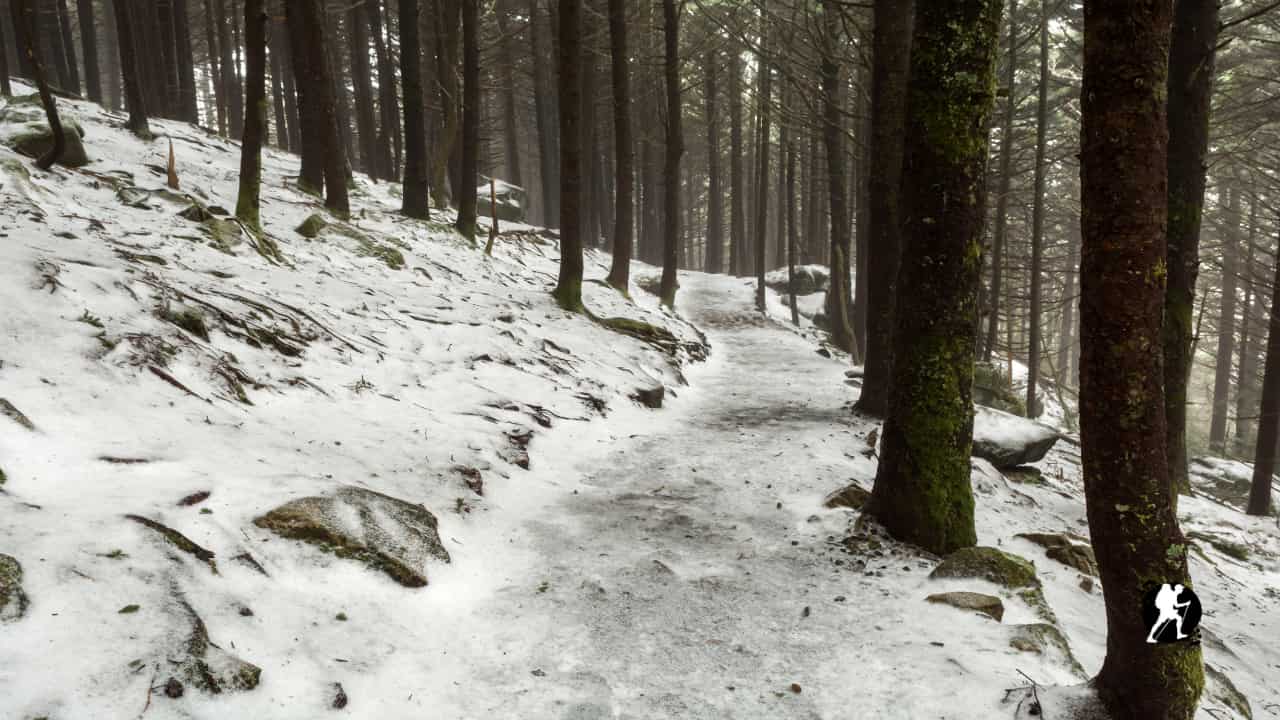
A growing number of thru-hikers are attempting winter starts in January and February, seeking to beat the crowds and extend their timeline. While this is possible, it’s important to understand that these starts come with serious challenges that can quickly end a thru-hike for unprepared hikers.
Why some hikers choose winter starts: The primary appeal is avoiding the bubble entirely and having extra months built into your schedule. If you’re uncertain about your pace or want maximum flexibility for zeros and town days, starting in winter gives you that cushion to reach Katahdin comfortably before the October deadline.
The harsh reality of winter starts: You’ll face full winter conditions for potentially two to three months. This means hiking through Georgia, North Carolina, Tennessee, and Virginia during their coldest, most unpredictable season. Temperatures regularly drop below freezing, often falling into the teens or even single digits at higher elevations.
Heavier pack weight becomes unavoidable. You’ll need a true winter sleeping bag (rated to 0°F or lower), a four-season tent or robust shelter system, additional insulation layers, microspikes or crampons, and possibly snowshoes. Many winter starters carry 40 to 50-pound packs compared to the 25 to 35-pound packs of spring starters. This extra weight takes a toll on your body during the critical first weeks when you’re building your trail legs.
Snow and ice management becomes a daily concern. The Smoky Mountains, southern Virginia highlands, and other elevated sections can receive significant snowfall from January through March. You’ll need experience with navigation in whiteout conditions, understanding when slopes become avalanche risks, and managing ice on steep ascents and descents. Water sources freeze solid, requiring you to melt snow or carry extra water weight between reliable sources.
Shorter daylight hours in January and February mean less hiking time and more hours in your tent. Combined with frequent shelter closures during winter months and the reality that you may be completely alone on trail for weeks, winter starts demand strong mental resilience and advanced backpacking skills.
For beginners, winter starts are not recommended. The combination of heavy packs, harsh conditions, and limited margin for error creates a recipe for injury, hypothermia, or simply burning out before spring arrives. If you’re considering a January or February start, you should have extensive winter camping experience and be honest about whether you’re truly prepared for the challenge.
The Traditional NOBO Start: March to April
Northbound (NOBO) hikers, who walk from Georgia to Maine, typically start between mid-March and mid-April. This window exists for very specific reasons that have been refined by decades of thru-hiker experience and represents the sweet spot for most thru-hikers, especially beginners.
Why March and April? The timing is all about threading the needle between three critical factors. First, you want to leave Georgia after the worst winter weather has passed but early enough to reach the mid-Atlantic states during pleasant spring conditions. Second, you need to arrive in the White Mountains and Maine during the summer months when these notoriously difficult sections are most passable. Third, you must summit Mount Katahdin before Baxter State Park closes the mountain to thru-hikers, typically around October 15th.
Early starters who begin in early to mid-March face colder conditions in the southern states, including potential snow and ice in the Smoky Mountains and southern Virginia. However, they beat the crowds, enjoy quieter shelters, and have extra time built into their schedule if they need to take unexpected days off or recover from injury. Importantly, early March starters typically carry lighter packs than winter starters, as they can use three-season gear instead of heavy winter equipment.
Late starters who begin in late March through mid-April encounter warmer weather in the South and experience the famous spring bloom moving northward with them. The downside? They’ll share the trail with more hikers, face fuller shelters, and have less wiggle room in their schedule to reach Katahdin before the deadline.
Starting after mid-April is risky. You’ll likely face a rushed schedule through the northern states and potentially dangerous conditions if you’re forced to hike Katahdin in poor October weather. Most successful thru-hikers complete the trail in five to seven months, so a late April start means you’re cutting it close.
The Road Less Traveled: SOBO Timing
Southbound (SOBO) hikers represent only about 10% of thru-hikers, and their timing window is much narrower and more challenging. Most SOBOs start in early to mid-June, right after Baxter State Park opens the approach trail to Katahdin and after the worst black fly season has passed.
Why so few SOBO hikers? Several factors make southbound starts less popular. June in Maine means you’re hiking through prime black fly and mosquito season, when the bugs can be truly miserable. You’ll also face more unpredictable weather in the challenging White Mountains and Maine during your first weeks when you’re least experienced and your body isn’t trail-hardened yet.
The social aspect also plays a role. SOBO hikers encounter far fewer fellow thru-hikers, which can be isolating for those seeking the community experience that draws many to the AT. However, this solitude is exactly what some hikers prefer.
Later SOBO starts in July are possible but compress your timeline significantly. You need to move fast enough to get through the mid-Atlantic and southern states before winter weather arrives in November and December. While this is achievable, it requires maintaining a strong pace without much room for zeros or delays.
Why not start SOBO later in the season? While a September or October SOBO start might seem appealing to avoid bugs and enjoy fall weather in New England, this timing creates major problems. You’d be pushing south into winter, facing increasingly harsh conditions in the mid-Atlantic and southern states during December and January. The same winter challenges that make January NOBO starts difficult apply here, but you’d be dealing with them at the end of your hike when many people are exhausted and ready to finish. Most experienced hikers strongly discourage late SOBO starts.
The Growing Trend: Flip-Flop Hiking
Flip-flopping has surged in popularity over the past decade, and timing flexibility is one of the main reasons why. This approach involves hiking from a middle point to one end, then returning to hike the other direction to complete the trail.
The most common flip-flop starts at Harpers Ferry, West Virginia (the psychological halfway point) in late May or early June. Hikers head north to Maine first, summit Katahdin by late July or early August, then return to Harpers Ferry to hike south to Georgia, finishing in October or early November.
Why flip-flopping works so well: This strategy completely eliminates the Katahdin deadline pressure. You can take your time, recover from injuries, and enjoy town days without constantly watching the calendar. You’ll also avoid the bubble, the large concentration of NOBO hikers who start in late March and early April and move north together.
The timing gives you optimal weather in almost every section. You hike the mid-Atlantic and New England during summer, then enjoy the southern states during their most beautiful season as fall colors emerge. You also avoid the coldest shoulder season weather at both ends of the trail, meaning you can carry a lighter three-season setup instead of winter gear.
Other flip-flop variations include starting NOBO from Georgia in late April or May, hiking to Harpers Ferry or Pennsylvania, then flipping up to Katahdin before hiking south. Some hikers even start at the New York/New Jersey border and go north first. These variations typically begin between late April and early June depending on your specific route.
Weather Patterns and Why They Matter
Understanding seasonal weather along the AT is crucial for timing your hike. The trail spans 2,190 miles across dramatically different climate zones, and your timing determines what conditions you’ll face.
In Georgia and North Carolina, winter can bring snow and ice well into March. The higher elevations, particularly the Smoky Mountains and areas above 4,000 feet, often see freezing temperatures and winter storms through early April. January and February see the most extreme conditions, with multi-day winter storms dumping feet of snow and creating dangerous avalanche conditions on exposed slopes.
The mid-Atlantic states (Virginia, West Virginia, Maryland, Pennsylvania) offer the most forgiving weather but can be brutally hot and humid in July and August. Most NOBO hikers pass through these states in May and June, enjoying moderate temperatures and spring greenery.
New England presents the trail’s most severe weather challenges. The White Mountains demand respect, with above-treeline exposure where conditions can turn deadly even in summer. Late summer (July and August) provides the most stable weather window for these sections. By late September and October, overnight freezing becomes common, and significant snowfall is possible.
Trail Conditions and Seasonal Considerations
Mud season in the mid-Atlantic and New England states typically runs from late March through May. During this time, trails can become swampy messes, and some sections implement protective closures. NOBO hikers starting in late March will encounter this, while flip-floppers largely avoid it.
Water availability varies dramatically by season. Spring hikers enjoy abundant water sources, while those hiking Pennsylvania and Maryland in late summer may find sources dried up, requiring longer carries between reliable water. Winter starters face the opposite problem with frozen water sources requiring snow melting or long carries to find flowing water.
Shelter availability also shifts with seasons. Some shelters close during winter months, and certain camping areas in national parks have seasonal restrictions. These factors matter most for winter NOBO starters and SOBO hikers facing late-season challenges in the South.
Making Your Decision
The right start time depends on your personal circumstances, hiking speed, weather tolerance, and social preferences. Most beginners should consider the traditional late March to early April NOBO start, which offers the most established support system, plenty of fellow hikers for safety and camaraderie, well-tested timing, and the ability to carry lighter gear.
Avoid winter starts unless you have significant winter camping experience, strong navigation skills, and the physical capability to carry heavy winter gear for months. The extra time buffer isn’t worth the increased risk and difficulty for most hikers.
If you crave solitude and have proven backpacking experience, a SOBO start in June might appeal to you. If you want flexibility and optimal weather, flip-flopping starting in late May or early June could be your best choice.
Whatever you choose, remember that timing sets the foundation for your entire thru-hike. Take the time to understand how your start date will affect every aspect of your journey, and you’ll be far more likely to reach your final destination.