

When you set out on your first thruhike, you’re not just embarking on a physical journey through wilderness, you’re entering a unique subculture with its own language, values, and unwritten rules. Trail culture is the collection of traditions, etiquette, and shared experiences that bind the thruhiking community together. Understanding these norms before you start will help you forge meaningful connections, avoid common mistakes, and fully embrace the transformative experience ahead.
What Is Trail Culture?
Trail culture encompasses the customs, practices, and social dynamics that develop among long-distance hikers. It’s shaped by the challenges of living minimally, the generosity of strangers, and the deep bonds formed when people pursue the same extraordinary goal. Unlike day hiking or weekend backpacking, thruhiking creates a tight-knit community where hikers look out for each other, share resources freely, and operate by a code of mutual respect and environmental stewardship.
Trail Names: Your New Identity
One of the most distinctive aspects of trail culture is the tradition of trail names. Most thruhikers adopt or are given a nickname that replaces their given name for the duration of the trail and often beyond. Trail names typically come from a memorable moment, personality quirk, or mishap early in your journey. You might become “Blister,” “Wrong Turn,” or “Snack Attack” based on your experiences.
Generally you don’t choose your own trail name, it’s considered poor form. Instead, let it emerge naturally through your interactions with other hikers. Some complete their entire thruhike without a trail name, and that’s perfectly acceptable too. The key is authenticity over forcing a cool-sounding nickname.
Leave No Trace: The Foundation
Leave No Trace principles aren’t just guidelines, they’re the moral backbone of trail culture. Thruhikers take pride in preserving the wilderness for future adventurers. This means packing out all trash (including toilet paper and food scraps), camping 200 feet from water sources, burying human waste properly, and minimizing campfire impacts.
The trail community is quick to self-police violations. Littering, cutting switchbacks, or approaching wildlife will earn you a reputation faster than anything else. Respect for nature is non-negotiable, and protecting these trails ensures they remain open for everyone.
The Hiker Bubble and Trail Family
As you hike, you’ll naturally fall into pace with certain groups of hikers, this loose collection is called the bubble. Within your bubble, you might form a closer trail family or “tramily,” a group of hikers you camp with regularly, share meals with, and support through difficult stretches.
These relationships often become the most cherished part of the thruhiking experience. Your tramily will celebrate your victories, commiserate during your lowest moments, and push you forward when you want to quit. Many thruhikers stay connected with their trail families for life, attending annual reunions and planning future adventures together.
Trail Magic and Trail Angels
Trail magic refers to unexpected acts of kindness that hikers encounter, from a cooler of cold drinks left at a trailhead to a complete stranger offering a ride to town. Trail angels are the generous souls who provide this magic, often former thruhikers who remember their own struggles and want to give back.
If you receive trail magic, express genuine gratitude and remember the experience. Many hikers return as trail angels themselves after completing their thruhike. Never expect or feel entitled to trail magic; it’s a gift, not a service. And always clean up after yourself, especially at popular trail magic spots.
Town Etiquette: Representing the Community
When you resupply in trail towns, remember that you’re a ambassador for the hiking community. Locals form their opinions of thruhikers based on individual behaviors. Be respectful in businesses, don’t linger excessively without making purchases, and tip service workers generously.
Many trail towns depend on hiker tourism, but they’re also real communities where people live and work. Keep noise down in hostels and hotels, especially early in the morning when you’re eager to get back on trail. If someone offers you a place to stay or a meal, offer to help with chores or contribute what you can.
The Unwritten Rules of the Trail
Several customs, or etiquette, govern trail interactions. Uphill hikers have the right of way, they’re working harder and shouldn’t have to break their rhythm. When camping near others, maintain a respectful distance and keep noise levels down, especially after “hiker midnight” (usually around 9 PM, when exhausted hikers want to sleep).
Sharing information is fundamental to trail culture. If you know about weather hazards, trail conditions, or water source issues ahead, pass that knowledge along to fellow hikers. Conversely, be receptive when others share information with you.
If you’re hiking faster than someone ahead, a simple “Can I pass?” is courteous. Most hikers will step aside at a convenient spot. Similarly, if someone wants to pass you, make it easy for them. Everyone hikes their own hike, at their own pace.
Hike Your Own Hike (HYOH)
Perhaps the most important principle in trail culture is “Hike Your Own Hike” (HYOH). This mantra reminds hikers to focus on their own journey rather than judging others’ choices. Whether someone is going ultralight or carrying luxury items, skipping sections or completing every mile, finishing in three months or six, it’s all valid.
HYOH cuts both ways: don’t judge others, but also don’t let others pressure you into hiking their way. Take breaks when you need them, skip sections if necessary, and define success on your own terms. The thruhiking community celebrates perseverance and personal growth, not conformity.
Shelter Dynamics and Campsite Courtesy
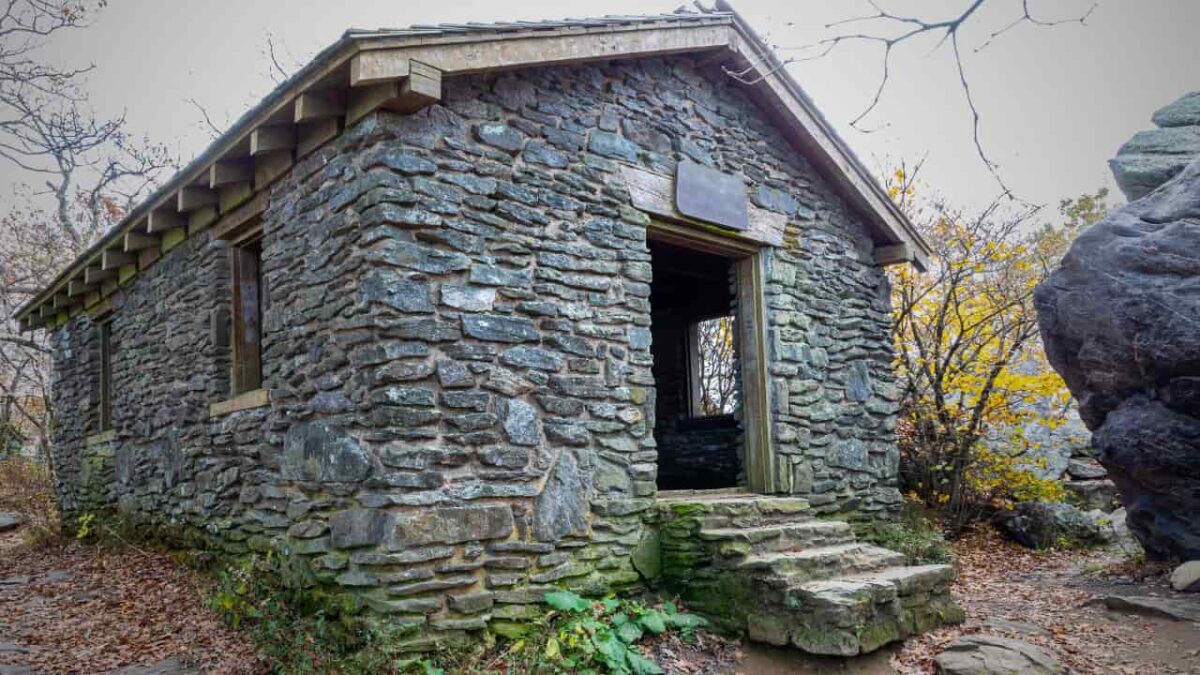
Trail shelters operate on a first-come, first-served basis, but thruhikers typically make room for others, especially in bad weather. If a shelter is full, consider tenting nearby. Never spread gear across multiple sleeping spots to “save” space for friends who haven’t arrived.
Keep shelters clean, hang your food properly to protect wildlife, and be mindful of others’ space and quiet time. Some hikers prefer solitude while others enjoy social evenings, respect both preferences.
Handling Adversity and Knowing When to Help
The trail will test you physically and mentally. Trail culture encourages vulnerability and mutual support. Don’t be afraid to admit when you’re struggling… other hikers will rally around you. Likewise, check on fellow hikers who seem to be having a hard time.
Know the difference between someone having a tough day and someone facing a genuine emergency. Offer encouragement freely, but also recognize serious situations requiring intervention, whether that’s helping someone with a medical issue or talking through whether they should continue.
Your Role in Trail Culture
Trail culture thrives because each generation of hikers embraces and perpetuates it. As a beginner, your job is to observe, learn, and contribute positively. Ask questions, admit when you don’t know something, and be open to guidance from more experienced hikers.
Most importantly, remember that trail culture is built on kindness, humility, and shared experience. The person struggling behind you today might be the one pulling you through a difficult moment tomorrow. When you approach the trail with generosity, respect, and authenticity, you’ll find a community ready to welcome you into something truly special.