
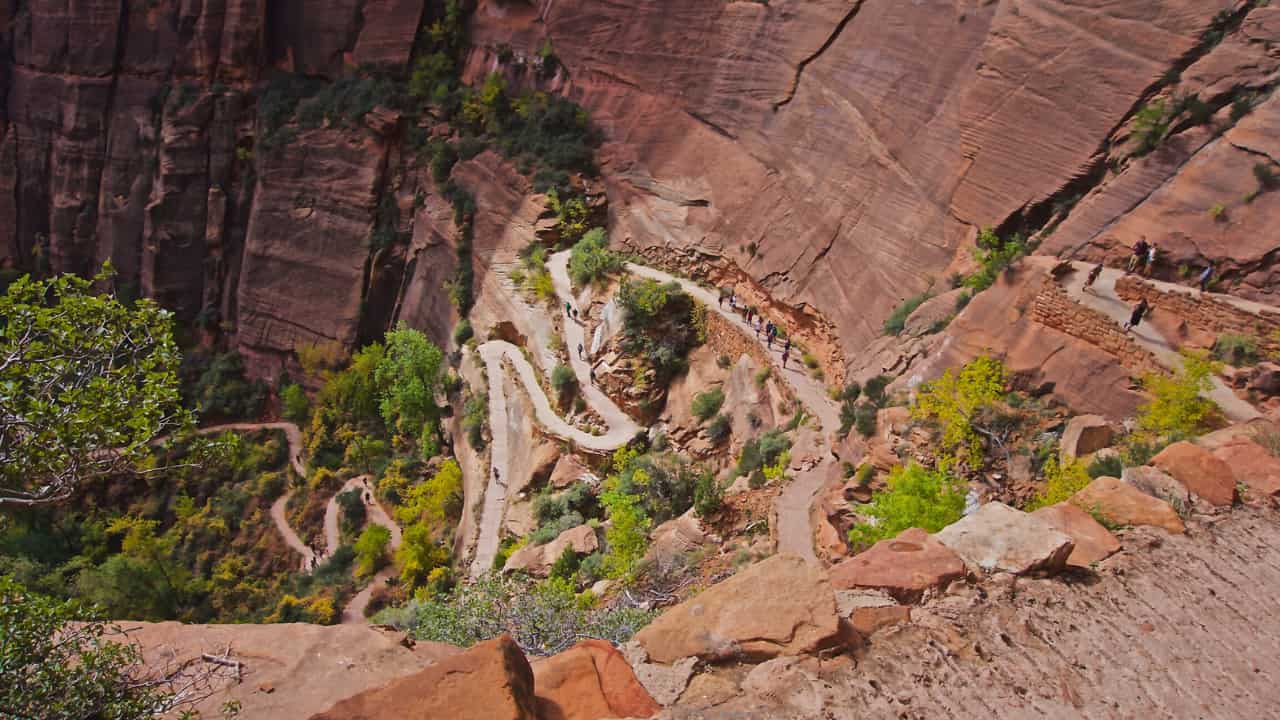
If you’re planning your first thruhike, you’ll encounter switchbacks within the first few miles of almost any major trail. These zigzagging sections of trail might seem frustrating at first, especially when you can see your destination straight ahead, but understanding switchbacks will transform how you approach mountain hiking and help you complete your journey successfully.
What Are Switchbacks?
Switchbacks are sections of trail that zigzag back and forth up or down a slope rather than going straight up the fall line. Think of them as the trail’s way of creating a ramp instead of a ladder. Instead of climbing directly up a steep mountainside, the trail takes a more gradual angle by turning back on itself multiple times.
You’ll recognize switchbacks by their distinctive pattern: the trail climbs or descends at a moderate angle, makes a sharp turn (often 180 degrees), then continues in the opposite direction at roughly the same grade. This pattern repeats until you’ve gained or lost the necessary elevation.
Why Do Trails Have Switchbacks?
Trail builders don’t create switchbacks to annoy hikers or make routes longer. These features serve critical purposes that protect both you and the trail itself.
Erosion Control
When water flows straight down a slope, it picks up speed and power, carving deep channels and washing away soil. Switchbacks break up this water flow by redirecting it at angles, dramatically reducing erosion. A well-designed switchback can make a trail last decades longer than a straight route up the same slope.
Sustainable Grade
The human body can sustain a moderate uphill grade for hours, but steep climbs exhaust you quickly and increase injury risk. Trail grades on switchbacks typically range from 5% to 15%, meaning you gain 5 to 15 feet of elevation for every 100 feet of horizontal distance. This sustainable pitch lets you maintain a steady pace without destroying your knees or lungs.
Safety
Steep, straight trails become incredibly dangerous when wet, icy, or covered in loose scree. Switchbacks provide better traction and more secure footing. If you do slip, you’re less likely to tumble far before the trail turns and levels out slightly.
Accessibility
Switchbacks make challenging terrain accessible to hikers of varying abilities. What might be impossible to climb straight up becomes achievable when broken into manageable segments.
Where You’ll Find Switchbacks
You’ll encounter switchbacks most frequently in mountainous terrain, particularly when trails need to gain or lose significant elevation quickly. Classic thruhiking routes are packed with them:
The Appalachian Trail features thousands of switchbacks in specific sections only, like in the White Mountains of New Hampshire and the Southern Appalachians. The Pacific Crest Trail uses extensive switchback systems through the Sierra Nevada. The Continental Divide Trail relies heavily on switchbacks through Colorado’s high country.
You’ll also find switchbacks on ridge approaches, climbing out of valleys, descending into canyons, and navigating any terrain where the grade exceeds what hikers can safely and comfortably manage on a straight path.
How to Hike Switchbacks Efficiently
Learning to hike switchbacks properly will save you enormous amounts of energy over a thruhike and protect the trails you love.
Embrace the Zigzag
Your first instinct might be to cut across switchbacks, walking straight up between the turns. Never cut switchbacks. This practice, called shortcutting, causes severe erosion, destroys vegetation, creates dangerous loose soil, and ultimately damages the trail for everyone. The few seconds you might save aren’t worth the harm you cause.
Trail maintenance crews spend countless hours building and maintaining switchbacks. Respect their work and the environment by staying on the established trail.
Find Your Rhythm
Switchbacks reward a steady, consistent pace. Rather than rushing up each segment and gasping for air at every turn, find a sustainable rhythm you can maintain for the entire climb. Many experienced thruhikers use the rest step technique: pause briefly after each step with your weight on your back leg, allowing your skeletal system rather than your muscles to support you for a split second.
Use Trekking Poles Strategically
Trekking poles become incredibly valuable on switchbacks. They distribute effort across your whole body, reduce impact on your knees during descents, and provide extra stability on turns. Adjust your pole length slightly longer for descents and slightly shorter for ascents to maintain proper posture and leverage.
Manage Turns Carefully
The actual turn in a switchback requires attention. The outside edge often becomes worn from traffic, creating an off-camber surface that can roll your ankle. Step toward the inside of the turn where the trail is more level. Plant your poles deliberately and shift your weight smoothly through the turn rather than pivoting quickly.
Pace Yourself Over Multiple Switchbacks
When you see a long series of switchbacks stretching above you, break them into mental segments. Count turns, pick landmarks, or simply focus on reaching the next turn rather than obsessing over the distant summit. This mental strategy prevents the overwhelm that causes many beginners to push too hard early and bonk halfway up.
Descending Switchbacks
Going down switchbacks requires different techniques than climbing them.
Protect Your Knees
Downhill hiking pounds your knees relentlessly. Trekking poles become essential for absorbing impact. Keep your knees slightly bent, take shorter steps, and resist the temptation to lock your legs straight or lean too far back.
Control Your Speed
Gravity wants you to accelerate down switchbacks, but speed reduces your control and increases injury risk. Maintain a deliberate pace that lets you plant each foot securely before moving the next. If you feel yourself starting to trot or skip, you’re moving too fast.
Watch for Loose Surfaces
Downhill switchbacks accumulate loose rocks, sand, and debris from uphill traffic. These materials collect especially at the outside of turns. Step carefully and test your footing before committing your full weight.
Common Switchback Challenges
Steep Sections Between Turns
Some switchbacks still feel steep, especially in terrain where even zigzagging can’t create a gentle grade. Take smaller steps, breathe deeply, and remember that each turn gives you a brief respite.
Endless Climbs
When switchbacks continue for thousands of vertical feet, mental fatigue can exceed physical fatigue. Break the climb into chunks, celebrate each segment, stay hydrated, and fuel regularly with snacks to maintain energy.
Exposure
Some switchbacks traverse exposed slopes where one side drops away dramatically. If you’re uncomfortable with heights, stay toward the inside of the trail, focus on the path immediately ahead rather than the view down, and move at whatever pace feels secure.
Gear Considerations for Switchback-Heavy Terrain
Trekking Poles
Quality trekking poles with comfortable grips and reliable locking mechanisms make switchback climbing significantly easier. Look for lightweight poles with anti-shock features for descents.
Proper Footwear
Trail runners or boots with good ankle support and aggressive tread patterns provide stability and grip on switchback turns. Make sure your footwear fits properly to prevent blisters during repetitive turning motions.
Pack Weight and Distribution
Heavy, poorly balanced packs make switchbacks miserable. Keep your base weight reasonable and pack heavy items close to your back and centered vertically. Use your hip belt properly to transfer weight off your shoulders.
Trail Etiquette on Switchbacks
When you meet other hikers on switchbacks, uphill hikers generally have the right of way since stopping and restarting uphill requires more effort. However, uphill hikers often appreciate a breather and may step aside. Communicate clearly and courteously.
If you need to pass slower hikers on a long switchback climb, wait for a turn where there’s room to pass safely, announce yourself politely, and thank them as you go by.
The Bottom Line
Switchbacks are your friends on the trail. They transform impossible terrain into achievable challenges and protect the mountains you’re hiking through. Learn to read them, pace yourself on them, and respect them by never cutting across. The thruhikers who master switchback technique cover huge daily mileages through mountainous terrain while others struggle and suffer.
Every switchback you climb builds strength, teaches patience, and brings you closer to stunning views that straight trails could never reach. Embrace the zigzag and trust the trail builders who designed these paths. Your knees, your lungs, and the mountains themselves will thank you.