
If you’re planning your first thru-hike, you’ve probably noticed experienced hikers singing the praises of merino wool. Unlike the itchy sweaters from your childhood, modern merino wool has become the gold standard for long-distance hiking clothing. This guide will explain exactly why this natural fiber deserves a place in your pack.
What Makes Merino Wool Different?
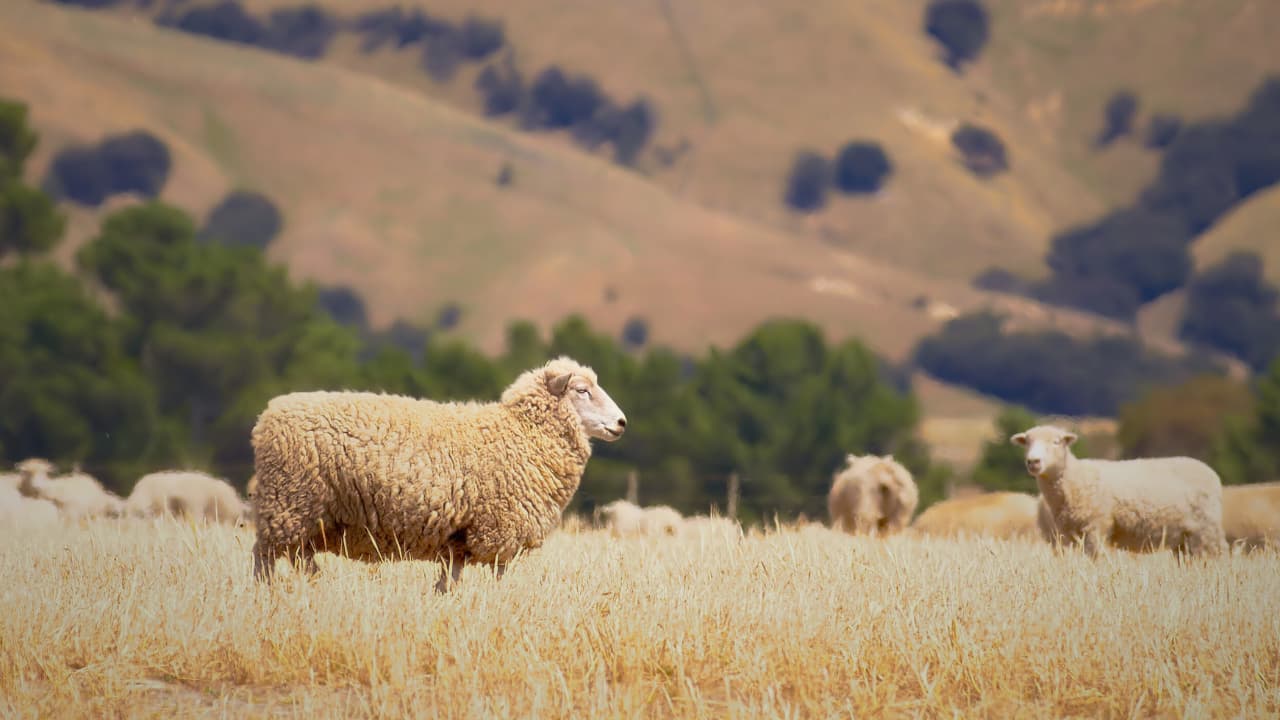
Merino wool comes from Merino sheep, a breed that produces exceptionally fine, soft fibers. Unlike traditional wool, merino fibers are much thinner (typically 17-24 microns in diameter compared to 30+ microns for regular wool). This difference means merino wool feels soft against your skin rather than scratchy and itchy.
The magic of merino wool lies in its structure. Each fiber has a natural crimp and can absorb up to 30% of its weight in moisture while still feeling dry to the touch. The fibers also have a waxy coating called lanolin that provides natural water resistance and antimicrobial properties.
The Odor-Resistance Advantage
Here’s where merino wool truly shines for thru-hikers: you can wear it for days or even weeks without it smelling offensive. This isn’t marketing hype but actual science.
Bacteria are the culprit behind body odor, not sweat itself. Synthetic fabrics like polyester provide smooth surfaces where bacteria thrive and multiply rapidly. Merino wool’s fiber structure is different. The scales on each fiber and the wool’s ability to absorb moisture prevent bacteria from colonizing on the surface. Additionally, merino wool absorbs odor molecules into the core of the fiber, trapping them away from your nose.
On a thru-hike, this means you can pack just two or three merino shirts for a six-month journey. Most hikers rotate between wearing one shirt while the other dries or gets a quick rinse in town. Compare this to synthetic fabrics that often smell terrible after a single day of hiking, and you’ll understand why weight-conscious hikers choose merino wool despite its higher cost.
Temperature Regulation: Hot and Cold Weather Performance
One of merino wool’s most remarkable qualities is its ability to keep you comfortable across a wide temperature range. This versatility makes it ideal for thru-hikes where you’ll experience everything from desert heat to mountain cold.
In warm weather, merino wool wicks moisture away from your skin and allows it to evaporate, creating a cooling effect. The fibers naturally breathe, preventing that clammy feeling you get with some synthetic fabrics. Many hikers find that a lightweight merino shirt actually keeps them cooler than synthetics on hot days.
In cold weather, merino wool provides excellent insulation even when damp. The crimped structure of the fibers traps air, creating tiny pockets of warmth. Unlike cotton, which loses all insulating value when wet, merino wool retains about 80% of its warmth when soaked. This characteristic can be lifesaving in unexpected rain or when you’re sweating hard on a cold morning climb.
The fabric also manages humidity exceptionally well. As merino wool absorbs and releases moisture, it generates a small amount of heat through a process called adsorption. This helps maintain a stable microclimate against your skin, preventing the chilling effect of rapid evaporation.
Where Thru-Hikers Use Merino Wool
Base Layers
Merino wool base layers are the foundation of a hiking clothing system. These include short-sleeve and long-sleeve shirts, as well as long underwear bottoms. Lightweight merino (150-200 gram weight) works well for most three-season hiking, while midweight options (200-250 grams) suit colder conditions or those who run cold naturally.
Many hikers wear their merino base layer every single day on trail. It functions as both a hiking shirt in moderate weather and as a base layer under other clothing when temperatures drop.
Socks
Merino wool socks are virtually unanimous among experienced thru-hikers. The odor resistance means your tent doesn’t become a toxic zone, and the moisture management helps prevent blisters. Merino socks cushion your feet, regulate temperature, and remain comfortable even when your feet get wet from stream crossings or rain.
Most hikers prefer a merino wool blend for socks (typically 60-70% merino with nylon and elastic for durability) rather than 100% merino. The blend provides better longevity while maintaining merino’s key benefits.
Mid Layers
Lightweight merino hoodies or quarter-zips serve as excellent mid-layers. They provide additional warmth when you stop for breaks, offer sun protection, and can be your evening camp shirt. The hood adds versatility for chilly mornings or windy ridgelines.
Other Applications
Some hikers also use merino wool buffs (neck gaiters), beanies, glove liners, and even underwear. The more demanding the item’s position (closer to skin, longer wear between washes), the more merino wool’s benefits shine.
Durability and Care Considerations
Merino wool is more delicate than synthetic fabrics. The fibers can pill, develop small holes, and wear thin over thousands of miles. However, many thru-hikers successfully complete entire trails with the same merino shirts they started with.
To maximize durability, look for merino wool blended with nylon (typically 10-30%). These blends maintain most of merino’s benefits while significantly improving longevity. Core-spun construction, where nylon forms the core with merino wrapped around it, offers another durable option.
Caring for merino wool is straightforward but requires some attention. While many hikers machine wash their merino gear in town, gentler treatment extends its life. Wash in cold water on a gentle cycle, avoid fabric softener and bleach, and air dry when possible. Despite common myths, modern merino wool doesn’t shrink dramatically if you avoid hot water and high heat drying.
On trail, merino wool requires minimal care. Many hikers simply air out their clothing overnight, and the natural antimicrobial properties do the rest. Quick rinses in streams or in your hotel shower during town stops keep things fresh.
Weight Considerations
Merino wool typically weighs slightly more than ultralight synthetic options. A merino base layer might weigh 5-6 ounces compared to 3-4 ounces for synthetic. However, because you need fewer merino items due to odor resistance, the total system weight often favors merino wool.
Cost and Value
There’s no sugarcoating it: merino wool is expensive. Quality base layers cost between $70-150, and socks run $15-30 per pair. However, the investment makes sense for thru-hikers who need minimal, versatile clothing that performs for months.
Budget-conscious hikers can find sales from brands like Smartwool, Icebreaker, Darn Tough, and REI Co-op. Outlet stores and end-of-season sales offer opportunities to build your merino collection affordably.
Making Your Decision
For thru-hikers, merino wool solves multiple problems simultaneously: odor control, temperature regulation, comfort, and versatility. While it costs more upfront and requires some care, the ability to wear the same shirt for weeks without offense and pack lighter overall makes it worthwhile for most long-distance hikers.
Start with one merino wool base layer and a pair of socks. Wear them on training hikes to experience the difference firsthand. Most hikers quickly understand why the thru-hiking community has embraced this natural fiber so enthusiastically.
Your trail experience will include enough challenges without worrying about offensive odors or temperature management. Merino wool handles these concerns so you can focus on the views, the people, and the journey ahead.