
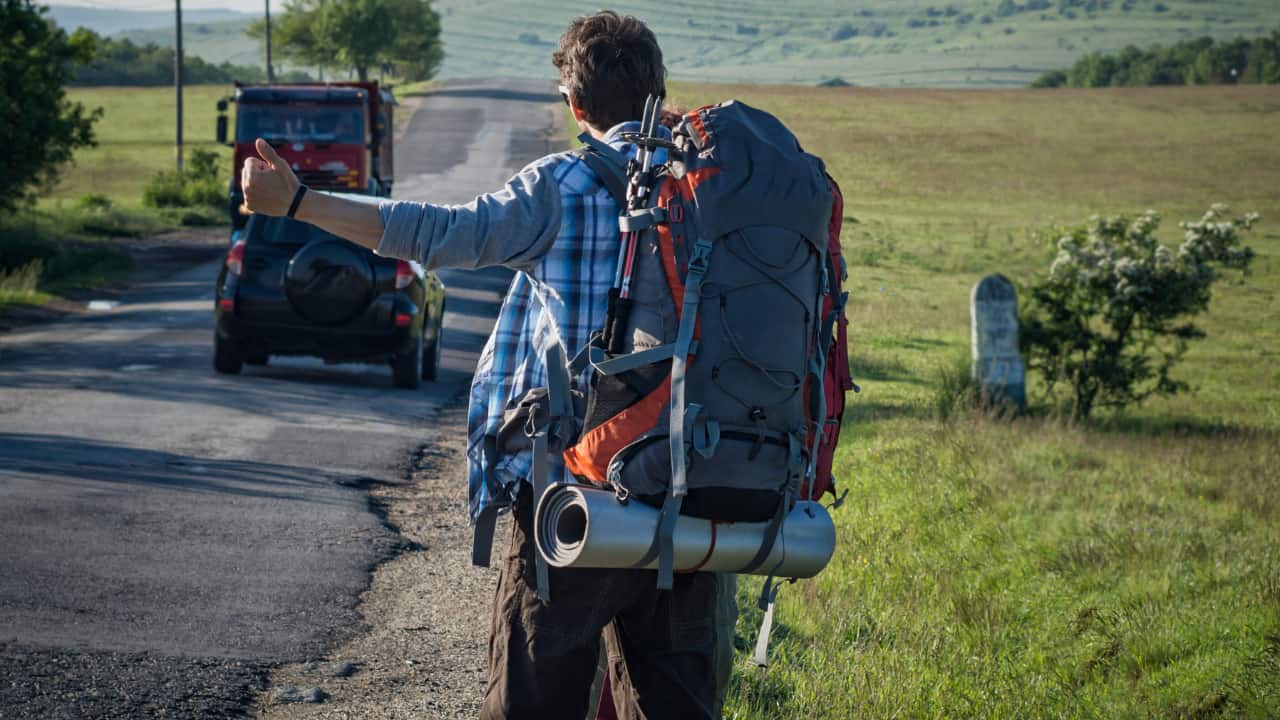
If you’re planning your first thru-hike, you’ve probably heard seasoned hikers casually mention “hitching into town” like it’s the most natural thing in the world. For many newcomers, the idea of hitchhiking feels intimidating, even taboo. But on long-distance trails like the Appalachian Trail, Pacific Crest Trail, or Continental Divide Trail, hitchhiking becomes a practical, often necessary skill that’s woven into the fabric of thru-hiking culture.
Why Thru-Hikers Hitchhike
Trailheads and towns rarely align perfectly. Most long-distance trails were designed to showcase wilderness beauty, not provide convenient access to civilization. When you need to resupply, do laundry, grab a hot meal, or rest in a real bed, you’ll often find yourself standing at a road crossing miles from the nearest town. Hitchhiking bridges that gap.
It saves time and energy. After hiking 15-20 miles with a full pack, the last thing most hikers want is to walk an additional 5-10 miles on pavement just to reach town. Catching a ride allows you to maximize your rest time and get back on the trail faster. When you’re trying to cover 2,000+ miles in a season, these efficiencies add up.
It’s surprisingly normal in trail communities. In trail towns (those small communities that support thru-hikers) locals are often familiar with the routine. Many have given rides to dozens or even hundreds of hikers over the years. Some towns even have informal shuttle services or trail angels (generous locals who help hikers) who specifically look for hitchhikers to assist.
It’s cost-effective. Shuttle services exist near many popular trail sections, but they can cost $20-50 or more per trip. When you’re living on a tight budget for months, those costs accumulate quickly. Hitchhiking is free, though many hikers offer a few dollars for gas as a courtesy.
The Drawbacks and Risks
Let’s be honest: hitchhiking isn’t without concerns, and it’s important to understand them fully.
Safety is the primary consideration. While violent incidents involving thru-hikers are exceptionally rare, you are getting into a vehicle with a stranger. The vast majority of drivers who pick up hikers are kind people, but trust your instincts always. If something feels off about a vehicle, driver, or situation, don’t get in. No ride is worth compromising your safety.
It can be slow and unpredictable. Some days you’ll get picked up in five minutes. Other days you might wait an hour or more, standing in the hot sun or cold rain. Weather, location, time of day, and your appearance all affect how quickly you’ll catch a ride. Popular trail crossings near town typically have faster pickup times than remote roads.
You’re at the mercy of others. This means accepting that you might not get to town when you’d hoped, or you might miss a specific store’s closing time. Building in buffer time for resupply runs helps manage this unpredictability.
It’s technically illegal in some places. Many states have laws against hitchhiking on interstate highways or specific road types. However, enforcement in trail communities is typically lenient, and most thru-hikers hitch without legal issues. Still, it’s worth knowing local regulations and being respectful if asked to move along.
How to Hitchhike Effectively and Safely
Look the part. Clean, friendly hikers get picked up faster. If possible, change out of your sweatiest clothes and wipe your face before attempting to hitch. Make your backpack visible so drivers immediately understand you’re a thru-hiker, not just anyone asking for a ride. Many hikers find that displaying hiking poles or wearing obviously outdoor gear signals legitimacy.
Choose your spot wisely. Stand where vehicles have plenty of room to pull over safely and where drivers can see you well in advance. Curves, hills, and narrow shoulders are poor choices. Trailhead parking areas or road crossings with good visibility work best. If you’re on a busier road, position yourself where traffic is moving slowly enough that drivers have time to make the decision to stop.
Use the universal thumb signal or simply hold out your hand with a friendly wave. Smile and make eye contact when possible. You want to appear approachable and trustworthy, not desperate or threatening.
Hitch with a partner when possible. Two hikers often have better luck than solo hitchhikers, as you appear less threatening and there’s safety in numbers. That said, large groups can struggle. Most vehicles can’t accommodate four hikers with packs. Three is often the maximum practical group size.
Women hiking solo should exercise extra caution. Consider hitching only with other hikers, waiting for vehicles with families or women drivers, or arranging shuttles in advance for areas where you feel less comfortable. Trust your gut without exception.
Know where you’re going. Be able to clearly tell drivers your destination. “Can you take me toward town?” is less effective than “I’m heading to Damascus. Can you get me any closer?” Drivers appreciate knowing whether they can actually help you.
Be gracious and respectful. Whether someone stops or not, maintain a positive attitude. When you do get a ride, thank your driver sincerely, offer gas money if you can, and keep your muddy gear contained. These small courtesies help maintain the positive relationship between trail communities and hikers. The driver who picks you up today might pick up another hiker tomorrow.
Alternative Options
Shuttle services operate near most major trail sections. Some are formal businesses; others are trail angels operating on donations. Research these options ahead of time and save contact numbers. They’re especially valuable in bad weather or when hitching isn’t working out.
Trail angel networks exist in many areas. Online forums, trail apps, and hiker Facebook groups often connect hikers with local volunteers willing to provide rides. Some even offer lodging or resupply help.
Ride-sharing apps like Uber or Lyft work in some trail towns, though coverage is spotty in rural areas. Check availability before you depend on these services.
Walking is always an option, though it should be planned for. If you know you’ll need to walk several miles, start earlier in the day and account for the time and energy expenditure.
The Bottom Line
Hitchhiking is a practical skill that most thru-hikers use repeatedly throughout their journey. While it requires overcoming some initial discomfort and exercising good judgment, it becomes routine surprisingly quickly. The thru-hiking community has been safely hitchhiking for decades, and most hikers look back on their road encounters with fond memories of generous strangers and unexpected conversations.
Start with shorter hitches to build confidence. Pay attention to how experienced hikers approach it. Most importantly, never compromise on safety for convenience. With a little practice and common sense, you’ll find that hitchhiking is just another adventure skill in your thru-hiking toolkit, one that connects you with trail communities and reminds you that most people are remarkably kind to those undertaking big journeys.