
When to Thru-Hike the FTTiming is Everything on Florida's Trail
Planning & Preparation
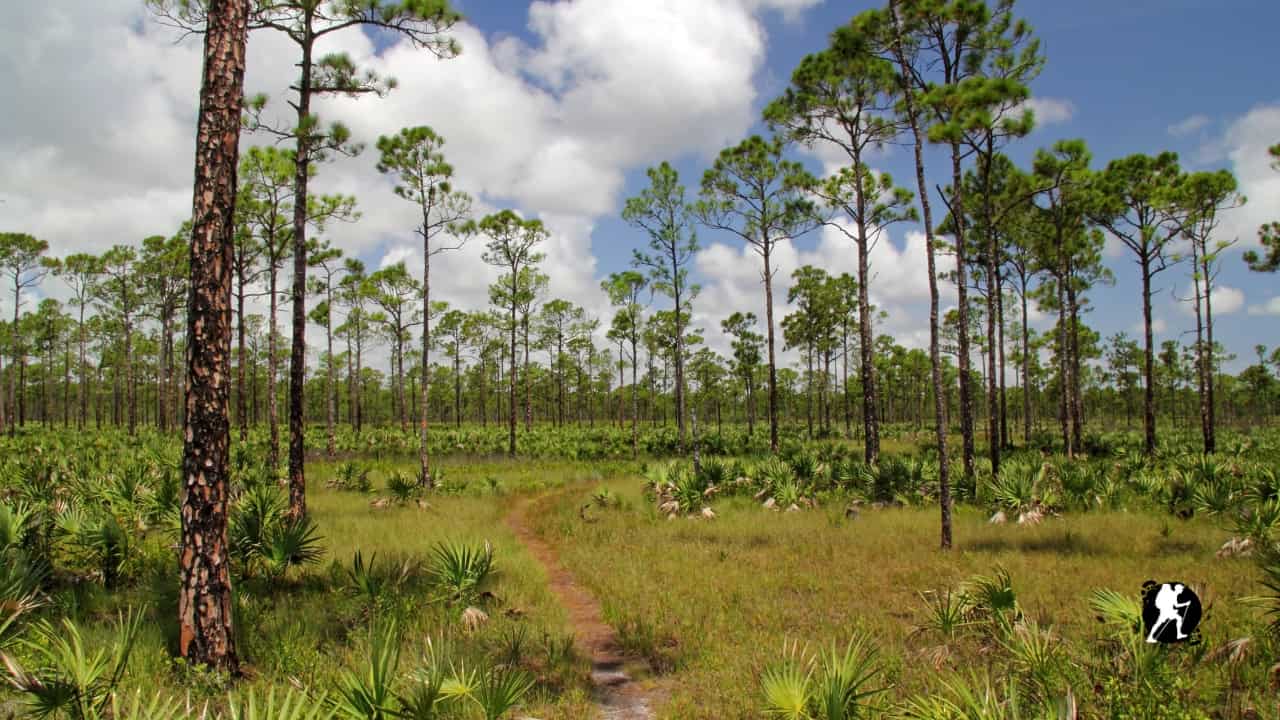

Complete Florida Trail section-by-section guide covering terrain, towns, and resupply options. Learn what makes this 1,300-mile subtropical thru-hike unique before you go.
Quick Trail Facts
Difficulty: Easy
Distance: 1300 mi
Elevation Gain: 345 ft
Big Cypress National Preserve – Pensacola Beach
Average Time: 2-3 Months
Permit Required?: false
The Florida Trail spans 1,300 miles (approximately 2,090 km) through diverse subtropical landscapes, with a total elevation gain of roughly 19,000-20,000 feet depending on your chosen route. While Florida’s highest point sits at just 345 feet above sea level, don’t let the “flat” reputation fool you: heat, humidity, water crossings, and remote sections make this trail remarkably challenging.
You can hike this trail northbound (NoBo) or southbound (SoBo). This guide follows the trail northbound from south to north, but choose whichever direction suits your schedule and preferences.
The journey begins in the wet lowlands of South Florida, where sawgrass prairies and cypress swamps dominate the landscape. This region immerses you in true wilderness, expect abundant wildlife, including alligators, wading birds, and the occasional Florida panther sighting. The terrain here is consistently wet, requiring water-resistant footwear and careful navigation.
Nearby Towns: Ochopee (trail access), Naples (major resupply, ~40 miles west)
Moving north, you’ll encounter Florida’s largest lake. The trail offers two official routes around Lake Okeechobee, choose the side that appeals to you. This section features open vistas, expansive skies, and a chance to experience Florida’s agricultural heartland alongside natural areas. Strong winds across the lake can be challenging, and shade is limited.
Nearby Towns: Clewiston (on-trail), Moore Haven (near western route), Okeechobee (resupply hub)
This region transitions through working rangelands, prairie preserves, and the unique Green Swamp ecosystem. The Kissimmee Prairie Preserve State Park offers stunning open landscapes with wildflowers and grazing wildlife. You’ll experience a mix of exposed prairie hiking and shaded swamp forests. Water sources become more strategic here, plan carefully.
Nearby Towns: Okeechobee, Yeehaw Junction, Lake Wales (all require off-trail travel)
Near Orlando, the trail divides into two distinct paths, forming a large loop before reuniting in Ocala National Forest. Both routes are official Florida Trail segments.
Eastern Corridor: Passes closer to Orlando’s suburbs with more road walks but easier access to resupply. Travels through Little Big Econ State Forest and other wooded areas.
Western Corridor: More remote and wild, featuring the Green Swamp and Withlacoochee State Forest. Offers better wilderness experience but fewer resupply options.
Nearby Towns (Eastern): Orlando, Sanford, DeLand
Nearby Towns (Western): Polk City, Dade City, Brooksville
Where the trail reunites, you’ll find one of Florida’s most beloved sections. The Ocala boasts crystal-clear springs, including Juniper Springs and Alexander Springs, perfect for a refreshing swim. The terrain here features rolling sandhills, longleaf pine forests, and scrub ecosystems. This section offers excellent camping with established sites and reliable water sources.
Nearby Towns: Silver Springs, Ocala (major resupply), Salt Springs
Heading into North Florida, the trail follows the legendary Suwannee River with its moss-draped cypress trees and dark tannic waters. The Big Bend region features coastal marshes and unique estuarine environments along the Gulf Coast. This section is known for its wild beauty but can be challenging with muddy conditions and limited infrastructure.
Nearby Towns: White Springs, Mayo, Perry, Steinhatchee (coastal access)
This vast forest protects longleaf pine ecosystems and harbors rare species, including carnivorous pitcher plants. The terrain includes pine flatwoods, swamps, and numerous creek crossings. Wildlife viewing is exceptional here. Expect more solitude in this section, with fewer hikers than the more popular Ocala region.
Nearby Towns: Tallahassee (off-trail but major city), Crawfordville, Carrabelle
The final stretch travels through the Blackwater River State Forest, known for its stunning white sand rivers and clear waterways. The forest features rolling hills: yes, actual elevation changes in Florida! The trail concludes at Pensacola Beach on the Gulf Islands National Seashore, where you can celebrate with your toes in the sugar-white sand and the emerald waters of the Gulf of Mexico.
Nearby Towns: Milton, Gulf Breeze, Pensacola (major resupply and end point)
Permits & Camping
Most of the trail allows dispersed camping, but certain sections require advance reservations, particularly in state parks and some national forest areas. Check the Florida Trail Association website for current permit requirements. Nine shelters are available along the route on a first-come, first-served basis.
When to Hike
October through April is ideal. Summer brings oppressive heat, humidity, and afternoon thunderstorms. Additionally, hunting season runs September through March in various sections, a blaze orange vest is strongly recommended. Most thru-hikers start in January to optimize for dry weather and minimal hunting conflicts.
Water & Wildlife
Florida’s water sources are abundant but require treatment. Carry capacity for dry sections, particularly in Central Florida. Be prepared for encounters with alligators (give them space), venomous snakes (watch your step), and black bears (use proper food storage).
Essential Gear
Don’t be fooled by the warm reputation, rain gear and at least one warm layer are critical for winter cold fronts. High-quality water-resistant footwear, bug protection, and a blaze orange vest for hunting season are Florida Trail essentials.
Planning & Preparation