
This website uses affiliate links which may earn a commission at no additional cost to you. As an Amazon Associate I earn from qualifying purchases.
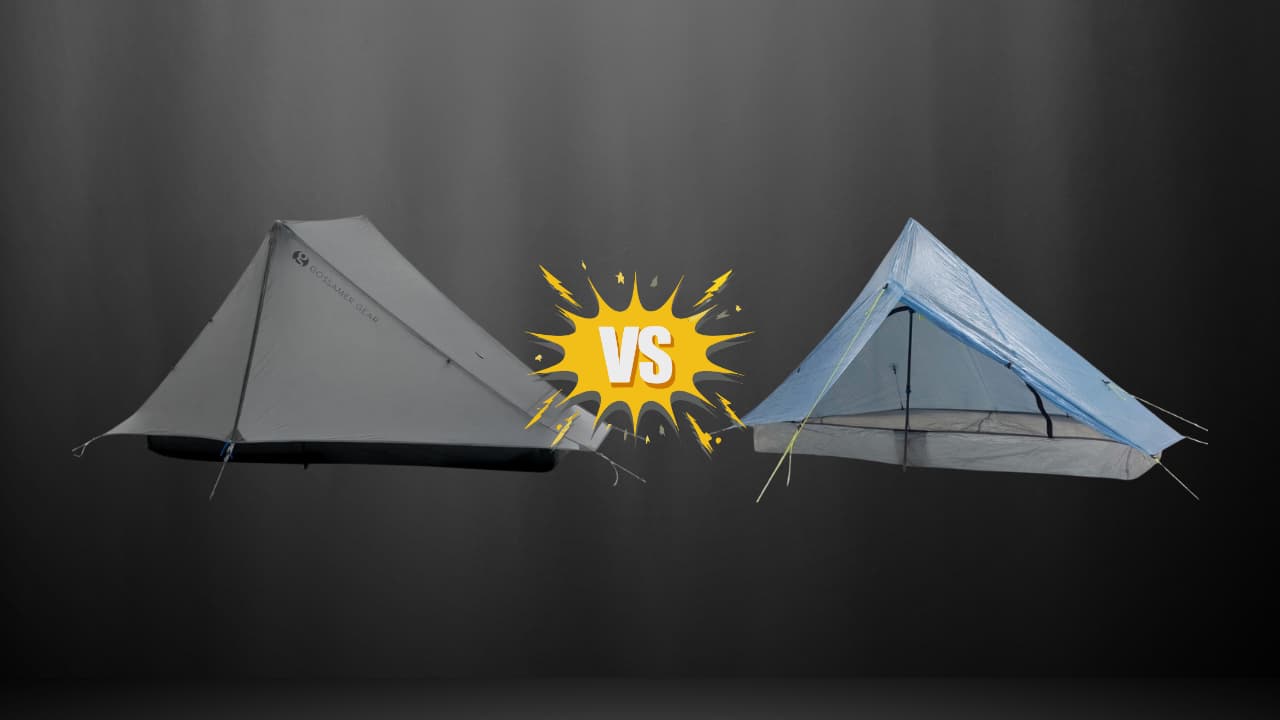
If you’re new to thruhiking and researching ultralight shelters, you’ve likely stumbled across two names that keep appearing in trail journals and gear forums: the Gossamer Gear The One and the Zpacks Plex Solo. Both are considered premium options in the solo shelter world, but they represent distinctly different philosophies in ultralight backpacking. Understanding which path aligns with your priorities will help you make the right choice for your first big trail.
Understanding Single-Wall Shelters
Before diving into the comparison, it’s important to understand that both of these are single-wall shelters. Unlike double-wall tents with a separate rainfly and inner tent, single-wall designs combine everything into one layer. This approach saves significant weight but requires understanding condensation management. On cold mornings or humid nights, moisture from your breath can condense on the interior walls. Both shelters address this challenge through ventilation, but your camping habits matter more than the shelter itself.
The Weight Question: How Much Does It Really Matter?
Gossamer Gear The One weighs 18 oz (510g), while the Zpacks Plex Solo Classic weighs 14.5 oz (411g). That’s roughly 3.5 ounces of difference, which might not sound like much when you’re standing in your living room. On trail, however, those ounces add up across thousands of miles. But here’s what beginners often miss: the weight difference alone shouldn’t drive your decision. The real question is whether the extra 3.5 ounces in The One buys you features worth carrying.
Material Philosophy: Silnylon vs Dyneema
This is where the two shelters diverge most dramatically in approach.
The One uses silnylon (silicone-impregnated nylon), a time-tested material that’s been protecting backpackers for decades. Silnylon is remarkably durable for its weight, with good puncture resistance and excellent UV protection. It has a soft, quiet feel that doesn’t crinkle in the wind like some ultralight materials. The fabric handles being stuffed wet without concern, and if you accidentally pitch it against an abrasive rock or sharp stick, it’s generally forgiving. The trade-off is that silnylon stretches when wet and requires periodic re-tensioning of guy lines during rain. This isn’t a dealbreaker, just something to understand.
The Plex Solo uses Dyneema Composite Fabric (DCF), a cutting-edge material that revolutionized ultralight backpacking. DCF doesn’t stretch when wet, staying taut through storms. It’s inherently waterproof without coatings that can degrade over time. The material is incredibly strong for its weight and won’t absorb water. However, DCF is more susceptible to UV degradation over extended periods and requires more care around sharp objects or abrasion points. It also has a distinctive crinkly texture that some love and others find noisy in wind.
Setup and Design Differences
The One features dual side-entry doors that create excellent cross-ventilation. The design uses a traditional ridgeline setup with trekking poles at both ends (front and rear), creating a spacious interior with generous shoulder room. The bathtub floor measures 84″ long and 33″ at the widest point, tapering to 21″ at the foot. Setup is straightforward: stake corners, insert poles, adjust guy lines. The vestibule space is substantial, offering 35″ of protected gear storage.
The Plex Solo uses a single pole at the center, creating a pyramid-style shelter that pitches quickly in tight spaces. The bathtub floor is 90″ (7.5 feet) long, which accommodates taller hikers comfortably, with 38″ width at the center tapering to 28″ at the ends. The design features overlapping storm doors that can be opened or closed independently, allowing you to block wind from one direction while maintaining airflow from another. The vestibule depth is 18.5″, which works for storing a backpack and boots but is noticeably smaller than The One.
Interior Space and Livability
The One excels in overall livability. The dual-door design means you’re never climbing over gear to get out for a middle-of-the-night bathroom break. The side-entry configuration also makes the interior feel more like a traditional tent, which many beginners find comforting. The 45″ peak height provides excellent sitting room, and the wider floor dimensions mean you can spread out your gear inside during stormy weather.
The Plex Solo prioritizes efficiency over expansiveness. The 52″ peak height gives you plenty of headroom directly under the center pole, but the pyramid design means the usable space tapers quickly toward the edges. This isn’t necessarily a weakness. Many experienced hikers prefer the compact, cocoon-like feel. The smaller footprint also makes it easier to find suitable campsites on crowded trails or in areas with limited flat ground.
Weather Performance and Versatility
Both shelters handle typical trail conditions well, but they shine in different scenarios.
The One’s dual-door ventilation system excels in warm, humid conditions where airflow prevents condensation buildup. The larger vestibule means you can cook comfortably under cover during extended rain. The silnylon fabric is naturally quieter in wind, which matters during those breezy ridge camps. The trade-off is that you’ll need to manage guy line tension in prolonged wet weather.
The Plex Solo’s overlapping door system gives you precise control over wind protection. On exposed campsites, you can close the upwind door for full protection while keeping the downwind door open for ventilation. The DCF fabric stays taut regardless of conditions, so once you’ve pitched it properly, it performs consistently. The smaller vestibule means less cooking space, but many hikers appreciate the lighter overall setup in exchange for a more minimalist approach.
Durability and Long-Term Performance
This is where your trail plans matter significantly.
The One’s silnylon construction is more forgiving of the inevitable wear and tear of thruhiking. If you brush the fabric against rocks while setting up, or if you’re newer to ultralight camping and still learning how to handle delicate gear, silnylon tolerates these learning experiences better. The zippers are robust, and the fabric can handle being stuffed into your pack wet without requiring special care. For a beginner planning a first long-distance hike, this resilience provides peace of mind.
The Plex Solo requires more careful handling but rewards attentive users with excellent longevity. DCF can develop pinholes from abrasion or UV exposure, though these are easily field-repairable with the included tape. The material demands respect—avoid dragging it over rocks, stake it out carefully, and store it properly. For hikers who embrace ultralight philosophy and are willing to treat their gear with care, DCF performs admirably through complete thruhikes.
Price and Value Considerations
The One retails for $255, while The Plex Solo Classic costs $599. That $344 difference is substantial for new hikers building their first kit. The question isn’t whether the Plex Solo is “worth it.” It’s a premium product with premium performance. Rather, ask yourself whether the weight savings and technical advantages align with your priorities and budget.
For many beginners, The One offers exceptional value. The money saved can fund a better sleeping bag, quality rain gear, or simply provide cushion in your gear budget for items you’ll discover you need along the way. The silnylon construction is more forgiving as you’re learning ultralight camping techniques.
For hikers who prioritize cutting every possible ounce and appreciate cutting-edge materials, the Plex Solo represents the current state of ultralight shelter design. The investment makes sense if you’re committed to ultralight principles and planning multiple long-distance hikes.
Who Should Choose The One
The One is ideal for hikers who want:
- Maximum interior space and shoulder room for comfort during long weather events
- Easier entry and exit with dual side-entry doors
- More forgiving materials while learning ultralight camping skills
- Larger vestibule space for gear storage and cooking
- Better value when building a complete kit on a budget
- Quieter fabric for peaceful nights in windy conditions
- A traditional tent-like feel that’s intuitive for beginners
The One makes an excellent choice for first-time thruhikers, those transitioning from traditional backpacking, or anyone who values livability and space over absolute minimum weight.
Who Should Choose The Plex Solo
The Plex Solo is perfect for hikers who prioritize:
- Minimum packed weight in their overall kit
- Fast, efficient setup with a single trekking pole
- Compact footprint for camping in tight spaces or crowded campsites
- No-stretch performance in wet conditions
- Premium materials and cutting-edge construction
- Longer shelter floor for tall hikers (7.5 feet vs 7 feet)
- Precise wind management with independent storm doors
The Plex Solo suits experienced ultralight backpackers, gram-counting hikers planning multiple long trails, or those who embrace the minimalist camping philosophy and don’t mind the higher investment.
The Bottom Line
Neither shelter is objectively “better.” They represent different points on the spectrum of ultralight backpacking philosophy. The One prioritizes livability, forgiveness, and value. The Plex Solo prioritizes weight savings, technical performance, and premium materials. Both will successfully shelter you through a thruhike when used properly.
Your choice ultimately depends on your hiking style, budget, physical needs, and how you prioritize the trade-offs between weight, space, cost, and durability. Many successful thruhikers have completed major trails with both shelters. The best shelter for you is the one that matches your priorities and gives you confidence when you’re setting up camp after a long day on trail.
Additional Considerations for Beginners
Regardless of which shelter you choose, remember that both require proper staking technique, understanding of condensation management, and site selection skills. Practice setting up your shelter in your backyard multiple times before your first trip. Learn to recognize good campsites with proper drainage and protection from wind.
Consider purchasing a lightweight groundsheet to protect your shelter floor. Both manufacturers offer options sized specifically for their shelters. This small addition significantly extends shelter life, especially for beginners still mastering campsite selection.
Finally, remember that your shelter is just one piece of your sleep system. A quality sleeping pad and sleeping bag matched to expected temperatures matter just as much for comfortable nights on trail. Your shelter protects you from rain and bugs, but warmth comes from your insulation.