
This website uses affiliate links which may earn a commission at no additional cost to you. As an Amazon Associate I earn from qualifying purchases.
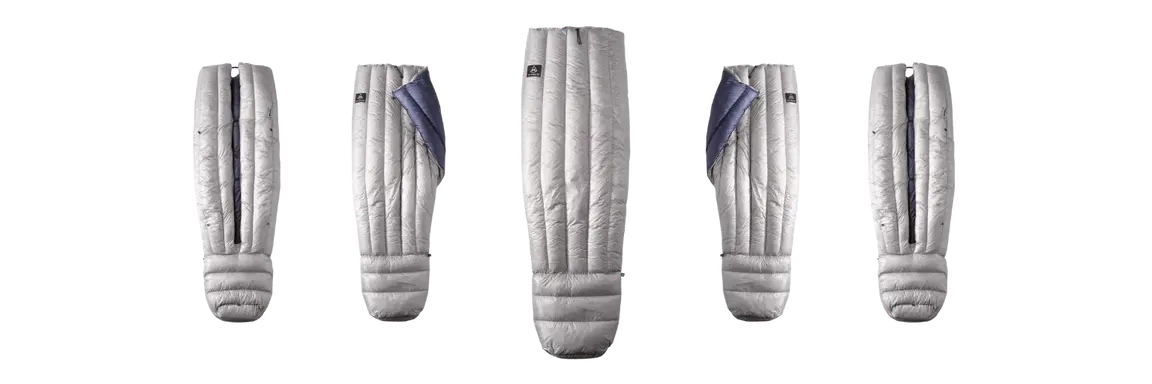
The Hyperlight Mountain Gear 20 degree quilt is a minimalist sleep system designed specifically for weight-conscious backpackers and thru-hikers. Unlike a traditional sleeping bag, this quilt has no zipper and no insulation on the bottom. The idea is simple: your sleeping pad provides insulation below you, so why carry extra weight and bulk underneath your body?
This approach matters on a thru-hike because every ounce counts over hundreds of miles. When you’re carrying your home on your back for months, the difference between a two-pound quilt and a three-pound sleeping bag becomes significant.
The Basics: Understanding What You’re Getting
The 20 degree rating means this quilt is designed to keep you comfortable down to approximately 20°F. In practice, temperature ratings are subjective and depend on whether you sleep warm or cold, but this positions the quilt as a three-season option suitable for spring through fall hiking on most major trails.
HMG uses 850-fill power down, which is high-quality insulation that provides excellent warmth-to-weight ratio. The higher the fill power number, the more loft (fluffiness) you get per ounce of down, which translates to better insulation without added weight.
The quilt comes in multiple sizes (typically small, regular, and long), and choosing correctly matters. A regular length works for most people up to about 6 feet tall. Going smaller saves weight but reduces coverage. Going larger adds security against drafts but costs you precious ounces.
Weight and Packed Size: The Numbers That Matter
Here’s where this quilt shines for thru-hikers. Depending on size:
- Small: approximately 16-17 oz
- Regular: approximately 18-20 oz
- Long: approximately 21-23 oz
To put this in perspective, traditional 20 degree sleeping bags typically weigh between 28-40 ounces. You’re looking at saving nearly a pound or more compared to conventional options.
Packed size is equally impressive. When compressed, the quilt stuffs down to roughly the size of a Nalgene bottle (around 6L compression). This means it fits easily in the bottom of a 40-50L backpack without dominating your pack space. For thru-hikers trying to keep their base weight under 10-12 pounds, this compression ratio is critical.
The stuff sack strategy matters too. HMG includes a storage sack, but many thru-hikers use a smaller compression sack or stuff the quilt loosely in their pack liner. Stuffing rather than rolling actually preserves loft better over time and takes up less space.
Setup and Daily Use: How It Actually Works
Quilts confuse first-time users, but the system becomes second nature quickly. The HMG quilt uses pad attachment straps that wrap around your sleeping pad. These straps (usually elastic cord with clips or snaps) prevent the quilt from sliding off during the night.
Getting in and out is simpler than with a mummy bag. You drape the quilt over yourself like a blanket, then cinch the footbox (the closed bottom end where your feet go) and adjust the neck closure around your shoulders. No wrestling with zippers in the dark.
Pad compatibility is important. This quilt works with any sleeping pad, but wider pads (20-25 inches) provide better performance because there’s more surface area for the attachment system. If you’re using a narrow pad (under 20 inches), you may experience cold spots or drafts along your sides.
Dealing with drafts is the main learning curve with quilts. On cold nights, you need to cinch the neck closure snugly and tuck the sides of the quilt under your body. Active sleepers who move around a lot sometimes wake up with exposed spots. The solution is adjusting the pad straps tighter and learning to create a seal between your body and the pad.
Real-World Performance: Beyond the Rating
The 20 degree rating is conservative for most people. If you sleep warm or wear base layers to bed, you can comfortably push this quilt into the mid-teens. If you sleep cold, consider it more of a 25-30 degree quilt and plan accordingly.
Desert hiking (like the first 700 miles of the PCT) often sees nighttime temps in the 30s and 40s. This quilt is perfect for those conditions and even feels too warm on some nights. You can vent easily by loosening the neck closure or leaving your legs partially exposed.
Mountain sections with temperatures dipping into the 20s test the quilt’s limits. Adding a puffy jacket as a pillow or wearing it to bed extends the comfort range significantly. Many thru-hikers on the PCT or CDT carry this quilt and add a lightweight liner for the High Sierra or Colorado Rockies.
Humid environments (like the Appalachian Trail) present challenges for down insulation. Down loses loft when wet, which means it loses warmth. The Dyneema or nylon shell fabric on HMG quilts offers some water resistance, but you absolutely must keep this quilt dry. Store it in a waterproof pack liner or dry bag. If it gets damp from condensation in your tent, air it out during breaks.
Durability and Care: Making It Last
The shell fabric on these quilts is typically lightweight ripstop nylon or Dyneema composite fabric. Both are durable enough for thru-hiking but not indestructible. Sharp objects, sparks from campfires, and abrasion from rough tent floors are your enemies.
Cleaning a down quilt on trail is impractical. Most thru-hikers go the entire hike without washing their quilt. At home, use a front-loading washing machine (top-loaders with agitators can damage baffles), cold water, and specialized down wash. Dry on low heat with tennis balls or dryer balls to restore loft.
Storage between trips matters for longevity. Never store your quilt compressed. Keep it loosely packed in a large breathable storage sack or hung in a closet. Compressed down loses loft permanently over time.
Watch for seam stress at attachment points and the footbox. These high-stress areas can develop small tears after hundreds of nights. A simple repair with tenacious tape or a patch kit keeps your quilt functional for years.
The Compression Question: How Small Does It Really Go?
Out of the stuff sack, this quilt has significant loft, which is what provides warmth. When you compress it for packing, you’re temporarily squashing that loft. The quilt will regain full loft after you unpack it at camp, typically within 15-30 minutes.
Using an aggressive compression sack (8L down to 4L) can get the quilt smaller, but there are trade-offs. Extreme compression over time may reduce loft slightly, though high-quality down is resilient. Most thru-hikers find the standard compression (around 6L) strikes the right balance between pack size and maintaining insulation quality.
Packing technique matters more than gear. Stuff the quilt randomly rather than folding it the same way every time. This distributes stress across different areas and prevents permanent creases in the baffles. Start with the footbox and work toward the hood, pushing air out as you go.
Who This Quilt Is For
This quilt works exceptionally well for:
Lightweight backpackers targeting base weights under 12 pounds who prioritize every ounce
Warm sleepers who don’t need maximum insulation and appreciate the ability to vent heat easily
Thru-hikers on the PCT, CDT, or similar trails where three-season coverage and low weight are priorities
Side sleepers and active movers who feel restricted in mummy bags
This quilt is not ideal for:
Cold sleepers who need a 20 degree bag to feel comfortable at 30 degrees (consider the 10 degree version instead)
Winter campers pushing into sustained sub-20 degree conditions without supplemental insulation
Backpackers in consistently wet environments unless you’re meticulous about keeping down dry (consider synthetic alternatives)
First-time backpackers who want the security and simplicity of a traditional sleeping bag while learning their sleep system
The Bottom Line: Making Your Decision
The HMG 20 degree quilt (Garage Grown Gear) represents a specific philosophy: accept a slight learning curve and some attention to draft management in exchange for significant weight savings and pack space efficiency.
Key decision points:
The price sits in the premium range ($350-450 depending on options), so this is an investment piece. For a multi-month thru-hike, the cost-per-night becomes reasonable.
The weight savings (8-12 ounces compared to comparable sleeping bags) translates to less fatigue over thousands of miles. That’s tangible.
The versatility of temperature regulation (easy venting) makes this quilt adaptable across different climates on the same hike.
How it compares: Similar weight quilts from Enlightened Equipment, Katabatic Gear, or Nunatak offer comparable performance with slight variations in features and price. The HMG quilt distinguishes itself through build quality and the company’s reputation in the ultralight community, though it typically costs slightly more than competitors.
If you’re committed to going light, sleep warm enough that a true 20 degree rating works for your hiking season, and want a durable quilt from a respected manufacturer, this is a solid choice. If you need maximum warmth for the weight or aren’t ready to learn quilt-specific techniques, keep shopping.
The most important factor: match your gear to your hiking style, not the other way around. This quilt excels for the right person on the right trail. Understanding whether you’re that person is the real decision.