
The Pinhoti Trail stretches approximately 335 miles from Flagg Mountain in Alabama through the mountains of Georgia, eventually connecting to the Appalachian Trail at Springer Mountain. For aspiring thru-hikers, this Southern gem offers a challenging yet accessible introduction to long-distance hiking, but timing your adventure correctly can make the difference between an unforgettable experience and a grueling ordeal.
Why Timing Matters in the South
Unlike trails further north, the Pinhoti presents unique Southern weather challenges that beginners need to understand. The trail traverses lower elevations (typically between 1,000-2,500 feet, with some peaks reaching 3,000+ feet), which means you’ll encounter weather patterns quite different from what you might expect on higher-elevation trails.
Summer heat and humidity can be oppressive in Alabama and Georgia, with temperatures regularly climbing into the 90s°F and humidity making it feel even hotter. Winter, while milder than northern trails, still brings freezing temperatures, occasional ice, and unpredictable cold snaps that can catch unprepared hikers off guard.
The Best Window: Spring (March to May)
For beginners seeking the ideal balance of weather and scenery, spring is your golden window. Starting a northbound (NOBO) thru-hike in mid-March through early April offers several compelling advantages.
During spring, daytime temperatures typically range from the comfortable 60s to low 70s°F, perfect for maintaining a steady hiking pace without overheating. Mornings can be crisp, often in the 40s, but you’ll warm up quickly once you start moving. This temperature range is forgiving for beginners still learning how to layer clothing and manage their body temperature on the trail.
Spring also delivers spectacular wildflower displays throughout the Southern Appalachians. Trilliums, azaleas, and mountain laurel bloom along the trail, creating photo-worthy moments that’ll remind you why you started this journey. The views from ridgelines are particularly stunning in spring, with fresh green canopy emerging and clear, crisp air providing excellent visibility.
Rain is a consideration, spring brings frequent showers, but these typically come as passing afternoon thunderstorms rather than multi-day deluges. Pack quality rain gear and learn to embrace hiking in light rain; it’s part of the thru-hiking experience.
The Runner-Up: Fall (October to November)
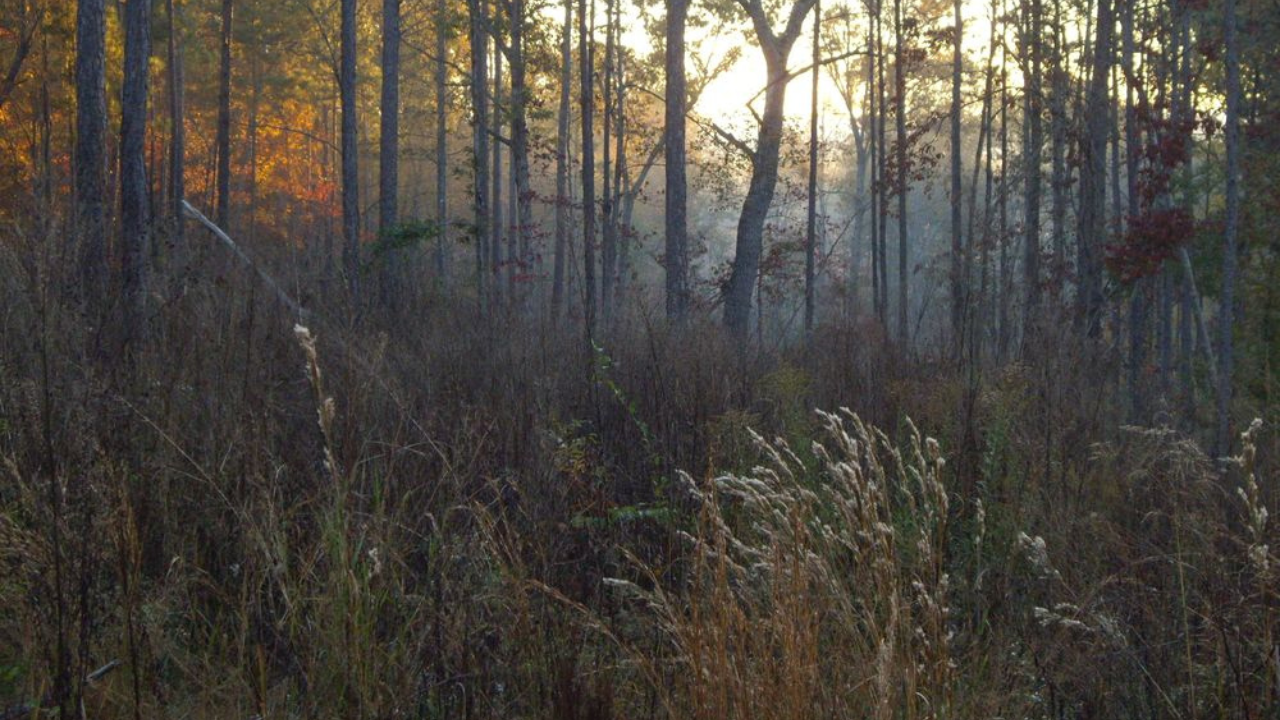
Fall offers a second excellent window, particularly for those who prefer cooler temperatures. Starting in early October allows you to experience the Southern mountains draped in autumn colors, brilliant reds, oranges, and golds that rival any leaf-peeping destination.
Fall temperatures mirror spring’s comfort zone, with daytime highs in the 60s and 70s. You’ll encounter less rainfall than spring, though you should still prepare for occasional wet weather. The trail tends to be less crowded in fall, offering more solitude if that appeals to you.
The main consideration: daylight hours shrink quickly in October and November. You’ll need to plan shorter hiking days or be comfortable setting up camp in twilight. For beginners still developing their camping efficiency, this can add stress.
Avoid: Summer and Deep Winter
Summer (June-August) is the most challenging season for Pinhoti thru-hikers. The combination of heat, humidity, and aggressive insect populations (ticks and mosquitoes thrive in Southern summers) makes for miserable conditions. Water sources can also become unreliable during dry spells, creating dangerous situations for unprepared hikers.
Winter (December-February) brings its own complications. While snow is less frequent than on northern trails, the Pinhoti experiences freezing rain, ice, and enough snowfall to make navigation difficult. Water sources can freeze, and the shorter days limit hiking time. For beginners, winter conditions amplify every challenge.
Planning Your Start Date
As a beginner, aim to start your NOBO thru-hike between March 15 and April 15. This timing puts you in the sweet spot: you’ll avoid the worst of winter weather at the beginning while reaching the northern sections before summer heat intensifies.
Most thru-hikers complete the Pinhoti in 3-5 weeks depending on pace and rest days. Starting in mid-to-late March means finishing by late April or early May, perfect conditions throughout.
Final Tips for Timing Success
Check long-range forecasts before committing to your start date, but don’t obsess over them, weather changes quickly in the mountains. Build flexibility into your schedule for weather delays or unexpected challenges. Consider that trail conditions vary yearly; a particularly wet winter might push your ideal start date slightly later.
Remember, the “best” time ultimately depends on your personal preferences and constraints. Some hikers love the solitude of November, while others thrive in the vibrant energy of April. Use this guide as a framework, then adjust based on what matters most to your hiking experience.
The Pinhoti Trail awaits, and with proper timing, your first thru-hike can be everything you’ve dreamed it would be.