
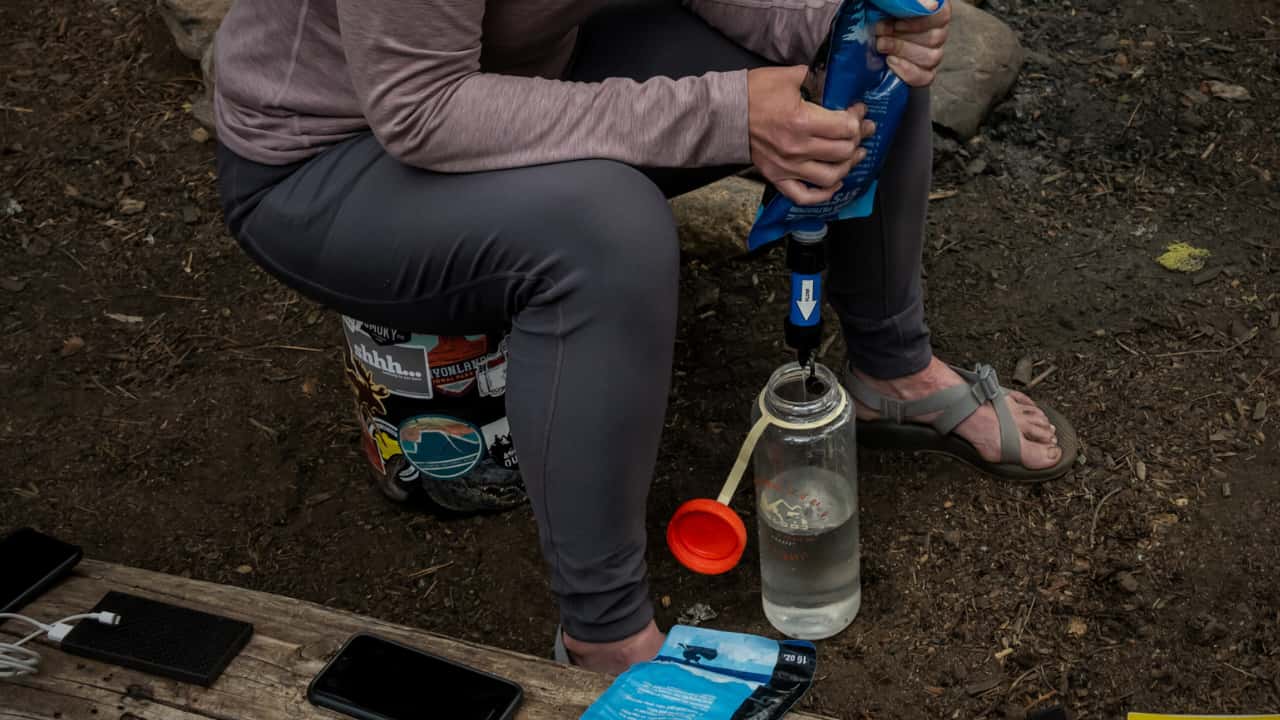
When you’re planning your first thru-hike, protecting your food from wildlife isn’t just a good idea; it’s essential for both your safety and the preservation of the wilderness. Two primary methods dominate the conversation: bear canisters and bear bags. Understanding the differences between these systems will help you make an informed decision for your adventure.
Why Bear Protection Matters
Before diving into the comparison, it’s important to understand why bear protection is necessary. When animals access human food, they learn to associate people with easy meals. This behavior, called food conditioning, leads to dangerous encounters and often results in wildlife officials having to relocate or euthanize animals. The saying “a fed bear is a dead bear” exists for good reason.
Beyond bears, smaller critters like raccoons, mice, and squirrels can shred your pack and contaminate your supplies. Proper food storage protects wildlife, keeps you safe, and ensures you actually have food to complete your hike.
Bear Canisters: The Hard-Sided Option
Bear canisters are rigid, cylindrical containers made from hard plastic or carbon fiber. They’re designed to be virtually indestructible to animals while remaining light enough (relatively speaking) for backpackers to carry.
How Bear Canisters Work
The concept is simple: create a smooth-sided container with a locking mechanism that bears can’t manipulate. Most canisters use a recessed lid that requires tools or specific hand techniques to open. A bear’s claws can’t grip the smooth exterior, and their strength is useless against the locking system.
Advantages of Bear Canisters
Simplicity is the biggest selling point. At camp, you simply place your canister on the ground at least 100 feet from your sleeping area. No trees required, no rope skills needed, no frustrating setup in the dark or rain. This makes them ideal for camping above treeline or in areas with sparse vegetation.
Reliability is guaranteed. When properly closed, a bear canister works every time. There’s no user error with throwing techniques or rope placement. You also gain multipurpose functionality since many hikers use their canister as a camp stool or table.
Regulatory compliance is straightforward. Many areas, including parts of the Sierra Nevada, Adirondacks, and various national parks, legally require bear canisters. Having one means you’re automatically in compliance.
Disadvantages of Bear Canisters
Weight is the primary complaint. Most canisters weigh between 2 and 3 pounds empty, which adds significant base weight to your pack. While lighter carbon fiber models exist, they command premium prices.
Cost represents a substantial investment, with quality canisters ranging from $70 to over $300. For budget-conscious beginners, this can be a significant barrier.
Limited capacity frustrates many hikers. A standard canister holds roughly 3 to 5 days of food for one person, depending on your caloric needs and how efficiently you pack. Longer stretches between resupply points may require creative meal planning or going without other items.
Bulk and packability create challenges. The rigid cylinder doesn’t compress or conform to your pack’s shape, often forcing you to strap it externally or dedicate your pack’s entire main compartment to it.
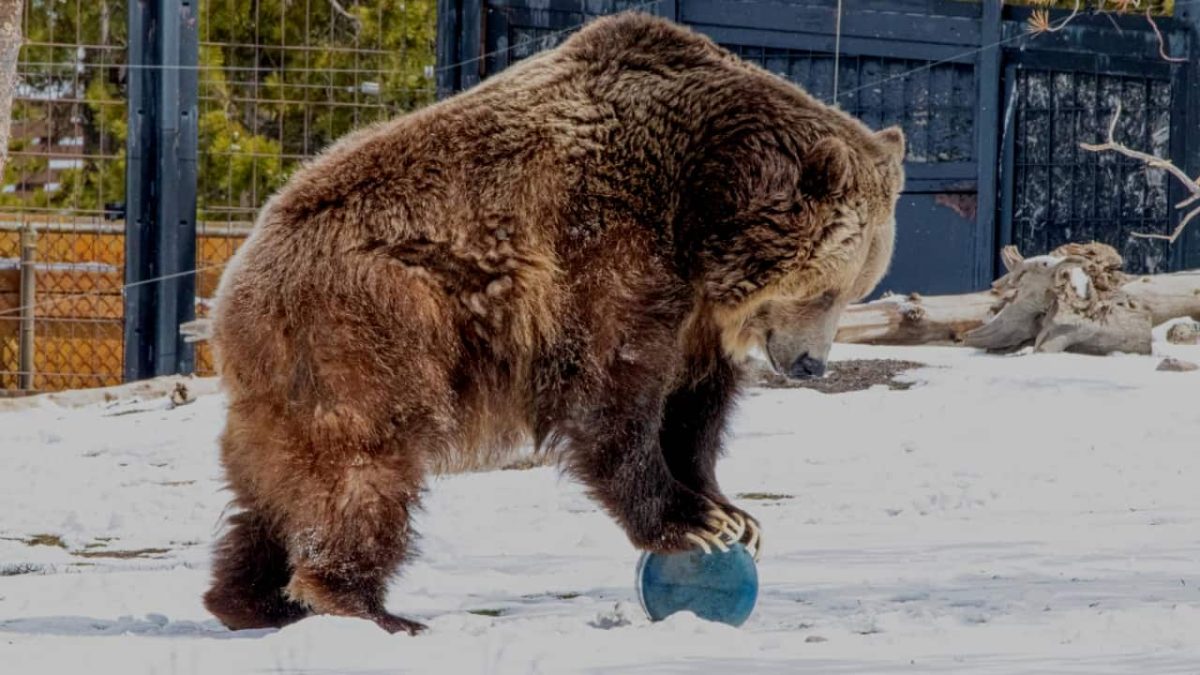
Bear Bags: The Traditional Method
Bear bagging or bear hanging involves suspending your food from a tree branch using rope or cord. This method relies on gravity and height to keep food out of reach from ground-based animals.
How Bear Bags Work
The basic principle involves getting your food bag at least 12 feet off the ground and 6 feet away from the tree trunk. Common techniques include the PCT method (counterbalance), where two bags hang from a branch, and simpler single-bag hangs. Success depends on finding appropriate trees, having adequate rope (typically 50 feet), and executing the technique correctly.
Advantages of Bear Bags
Weight savings make bear bagging attractive to ultralight enthusiasts. A simple stuff sack and rope system can weigh as little as 2 to 4 ounces, a fraction of a canister’s weight.
Cost effectiveness is undeniable. You can create a functional bear bag system for $10 to $40, making it accessible for hikers on any budget.
Unlimited capacity means you can carry as much food as needed. Planning a 7-day stretch? Just use a larger bag. This flexibility extends to adjusting your system based on trip length.
Packability is superior since soft bags compress and conform to available space in your pack.
Disadvantages of Bear Bags
Skill requirement is real. Proper bear bagging takes practice, and even experienced hikers sometimes struggle in less-than-ideal conditions. Finding suitable trees in heavily-used areas can be frustrating, as the best branches are often claimed early or damaged from overuse.
Time and effort multiply in bad weather. After a long day of hiking, spending 20 to 30 minutes finding trees, throwing rope, and adjusting your hang isn’t appealing, especially in rain or darkness.
Effectiveness varies based on execution. An improperly hung bag is vulnerable. Even a correctly hung bag isn’t foolproof against determined bears or clever rodents that chew through rope.
Regulatory issues arise since some areas prohibit bear bagging due to its mixed success rate. You’ll need to research regulations for your specific trail.
Other Bear Protection Options
While canisters and bags dominate, other systems exist. Ursacks are made from ultra-durable fabric that prevents animals from accessing food, though they can’t prevent crushing. They offer a middle ground in weight and effectiveness but aren’t accepted in all regulated areas.
Some hikers use bear boxes or food lockers where available at established campsites, eliminating the need to carry protection through certain sections. Many thru-hikers employ a hybrid approach, carrying a canister for required sections and switching to bear bagging where regulations allow.
Making Your Decision
Your choice depends on several factors:
Trail regulations may decide for you. Always check requirements before your hike.
Your experience level matters. Beginners often find canisters less stressful while learning other camping skills.
Pack weight priorities influence the decision. If every ounce counts, bear bagging becomes attractive despite its challenges.
Trip duration and resupply strategy affect capacity needs. Longer food carries favor the flexibility of bear bags.
Terrain considerations are important. If you’re hiking above treeline or in areas with sparse trees, canisters make practical sense.
Personal comfort with technical skills shouldn’t be underestimated. Some people never feel confident with bear bagging, and that’s okay.
Final Thoughts
Neither system is universally superior. Bear canisters offer foolproof protection with minimal effort but add weight and cost. Bear bags provide lightweight flexibility but demand skill and persistence. Many experienced thru-hikers eventually try both systems and develop preferences based on specific trails and conditions.
As a beginning thru-hiker, consider starting with whichever method feels most approachable. You can always adapt your approach on future hikes. The most important thing is choosing a system you’ll actually use consistently, because the best bear protection method is the one that keeps your food secure every single night on the trail.