

The Appalachian Trail stretched to 2,197.9 miles for 2026, thanks to a half-mile addition in Virginia. The War Spur relocation fixed a badly eroded section that was basically a straight shot down a hillside. Not great. The new route features a gentler grade, sustainable design, and some pretty cool rock formations along the way. ATC’s Konnarock Trail Crew and volunteers made it happen. There’s more to this story than just extra mileage.
Official Trail Length for 2026
The Appalachian Trail now stretches exactly 2,197.9 miles for 2026. That’s a lot of hiking. Like, a serious amount.
Here’s the thing. The trail’s length isn’t set in stone. It shifts every year thanks to footpath relocations and updated measurement techniques. The official mileage is basically a snapshot, frozen in time.
Trail Maintaining Clubs, the ATC, and various partners all have input on changes. They tweak routes, fix problem areas, and sometimes add new sections. The trail evolves constantly.
War Spur Relocation: Virginia’s New Half Mile
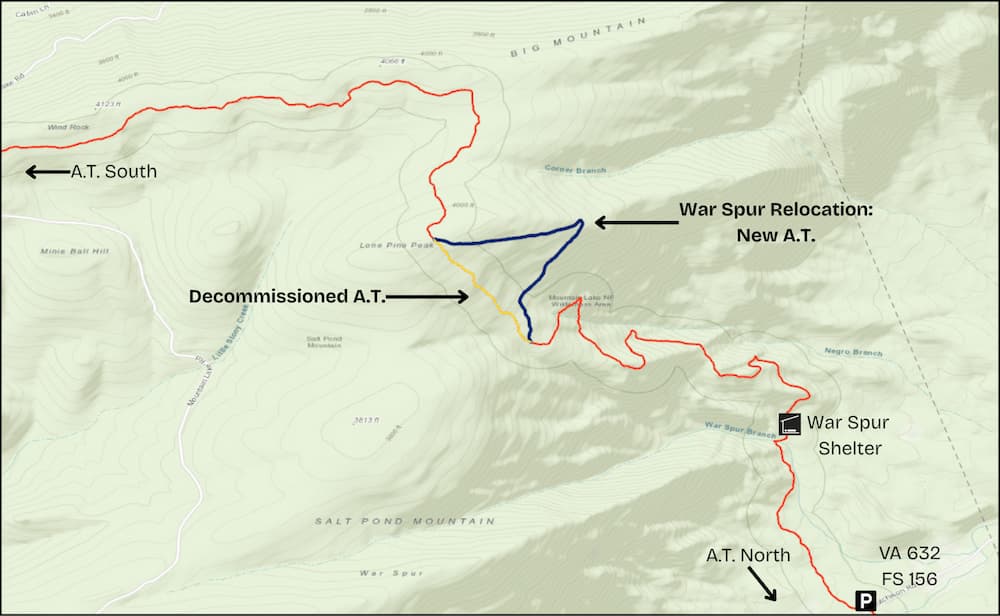
One of those route tweaks mentioned earlier? It happened in Virginia’s Mountain Lake Wilderness. The War Spur relocation added 0.5 miles to the Trail. Not exactly a marathon, but still.
Here’s the deal. The old route was a fall-line disaster. Straight down. Erosion city.
The new path? Way gentler grade. Actually sustainable. Plus, hikers get some cool rock formations to gawk at now.
ATC’s Konnarock Trail Crew and a bunch of volunteers made it happen. They swapped out a crumbling mess for something that’ll actually last.
Sometimes half a mile makes all the difference.
Temporary Detours Not Counted in Official Mileage
While the official mileage sits at 2,197.9 miles, four temporary detours aren’t even counted in that number.
Hurricane Helene really did a number on things.
The Madison Gulf Bridge in New Hampshire? Closed. So there’s the Great Gulf Detour.
North Carolina and Tennessee got hit hard too. The Iron Mountain Gap Detour exists owing to, well, hurricane damage.
The Nolichucky River Detour is basically a road walk now as the bridge got destroyed.
Then there’s the Virginia Creeper Trail situation. The A.T. runs parallel to it, and construction means closures.
Hikers can “retro blaze” or shuttle around. Fun times.
Hurricane Helene’s Impact on Trail Access
Hurricane Helene wasn’t messing around when it tore through the southern Appalachians. The storm absolutely wrecked parts of the Trail.
Bridges? Gone. The Nolichucky River crossing got destroyed, forcing hikers onto a road walk detour. Not exactly the wilderness experience people signed up for.
The Virginia Creeper National Recreation Trail took a beating too. Where the A.T. runs parallel, it’s now closed for construction.
Hikers can either shuttle around or take the Iron Mountain Trail as a “retro blaze.” At least the historic shelters along that route are still accessible. Small victories.
How You Can Support Trail Maintenance Efforts
All that storm damage? It didn’t fix itself. Clubs, crews, and volunteers put in serious work after Hurricane Helene tore through sections of the Trail.
That’s 2,197.9 miles to maintain. Every single one.
Want to actually help instead of just posting hiking pics? Register hikes on ATCamp.org for safety updates.
Or sign up and get dirty with the ATC Trail Crew for hands-on experience. They’re always looking for people willing to do more than complain about erosion.
The Trail keeps evolving. Someone has to keep it walkable.
Might as well give back to the thing that gives so much.