
When you’re planning your first thruhike, the gear advice comes fast and overwhelming. But if there’s one clothing choice that experienced hikers universally agree on, it’s this: invest in quality wool base layers. These aren’t your grandfather’s itchy sweaters. Modern wool base layers represent centuries of fabric evolution meeting cutting-edge textile technology, creating clothing that keeps you comfortable through every condition the trail throws at you.
What Are Base Layers?
Before diving into wool specifically, let’s clarify what we mean by base layers. These are the garments worn directly against your skin, forming the foundation of your layering system. Think long underwear tops and bottoms, though many hikers also wear short-sleeve or sleeveless wool shirts as base layers in warmer conditions. Base layers have one primary job: managing moisture and regulating your body temperature while you move.
On a thruhike, you’re generating enormous amounts of heat and sweat as you climb mountains with a heavy pack. When you stop for breaks, your body temperature drops rapidly. Your base layer needs to handle both situations without leaving you soaked, chilled, or overheated.
Why Wool Works
Humans have relied on wool for warmth for thousands of years, and there are solid scientific reasons why. Wool fiber has a unique crimped structure that traps air for insulation while simultaneously allowing moisture vapor to pass through. Unlike cotton, which absorbs water and stays wet, wool fibers are naturally hydrophobic on the outside but can absorb up to 30% of their weight in moisture internally without feeling wet to the touch.
This means wool wicks sweat away from your skin and releases it gradually into the air. You stay drier, which means you stay warmer and more comfortable. Even when wool does get thoroughly soaked in a rainstorm, it retains most of its insulating properties, unlike synthetic fabrics that can leave you dangerously cold when wet.
Wool is also naturally antimicrobial. The same lanolin and fiber structure that repels water also inhibits bacterial growth. On a thruhike where you might wear the same shirt for days or weeks between town stops, this odor resistance becomes invaluable. Your hiking partners will thank you.
The Merino Wool Revolution
When most people think of wool, they imagine thick, scratchy sweaters. Traditional wool comes from breeds like Romney or Suffolk sheep and has coarse fibers that can irritate skin. Merino wool changed everything.
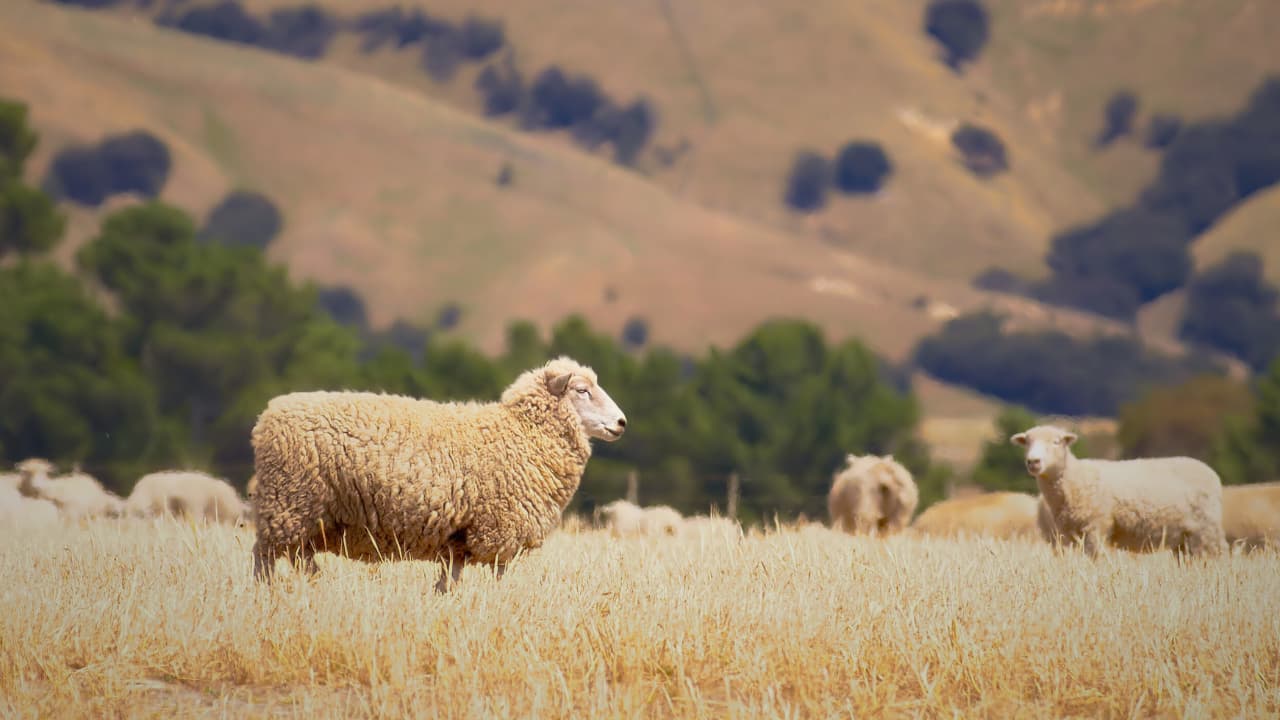
Merino sheep, originally from Spain but now raised primarily in New Zealand and Australia, produce wool with exceptionally fine fibers, typically measuring between 15 and 24 microns in diameter (a human hair is about 75 microns). These ultra-fine fibers feel soft against bare skin and eliminate the itch factor entirely. You can comfortably wear merino base layers for 12-hour hiking days without any irritation.
Beyond comfort, merino wool offers superior thermoregulation compared to traditional wool. The fine fibers create more air pockets per square inch, providing excellent warmth-to-weight ratio. Merino also has more elasticity than coarse wool, meaning your base layers will stretch and move with your body instead of restricting your range of motion on steep climbs or scrambles.
Understanding Fabric Weight
Merino base layers come in different fabric weights, measured in grams per square meter (gsm). Understanding these categories helps you choose the right layer for your hiking conditions.
Lightweight merino (150-200 gsm) works best for high-output activities in moderate to warm weather. Most thruhikers choose lightweight base layers for spring through fall hiking. These dry quickly and provide just enough warmth for cool mornings without causing overheating during the day.
Midweight merino (200-250 gsm) offers more insulation for cold weather hiking or for hikers who tend to run cold. These are popular for fall and winter sections or for high-elevation treks. The added thickness provides more warmth but takes longer to dry.
Heavyweight merino (250+ gsm) serves as both base layer and insulation in extreme cold. Most thruhikers avoid heavyweight base layers because they’re too warm for active hiking and take up valuable pack space. Consider these only for winter expeditions.
For a typical thruhike like the Appalachian Trail, Pacific Crest Trail, or Continental Divide Trail, lightweight merino is the sweet spot for most hikers and most conditions.
Merino Blends vs. Pure Merino
You’ll encounter both 100% merino wool and merino blends on the market. Each has advantages worth considering.
Pure merino wool provides maximum odor resistance and the most natural feel. However, it’s more delicate and prone to developing holes, especially in high-friction areas like under pack straps. Pure merino also tends to be more expensive.
Merino blends combine merino with synthetic fibers like nylon or polyester, typically in ratios like 70/30 or 80/20 merino to synthetic. These blends add durability and faster drying times while retaining most of merino’s benefits. The trade-off is slightly reduced odor resistance, though blends still vastly outperform pure synthetics in this regard.
For thruhiking, many experienced hikers prefer blends. The added durability means your base layers survive the entire trail without developing holes, and the faster drying time helps in humid conditions or during stretches of consecutive rainy days.
Caring for Wool Base Layers
Merino wool requires different care than synthetic fabrics. Wash in cold water with gentle, wool-specific detergent when you reach town. Avoid regular detergents containing enzymes, which break down wool fibers. Never use fabric softener or bleach.
Air drying is essential. Machine drying will cause shrinkage and damage fibers. The good news is that merino’s odor resistance means you need to wash far less frequently than synthetics, sometimes going weeks between washes on trail.
When holes do develop, repair them immediately with tenacious tape or by sewing to prevent them from expanding. Small repairs extend the life of your base layers significantly.
What to Buy
For your first thruhike, start with one or two lightweight merino or merino-blend long-sleeve tops. Many hikers carry two shirts, rotating them to extend time between washes. Add one pair of lightweight merino bottoms if you expect cold weather or plan to sleep in them.
Look for flat-locked seams that won’t chafe, and consider features like thumb holes in sleeves (which keep your hands warm and prevent sleeves from riding up under your pack) and quarter-zip or half-zip designs for ventilation control.
Popular brands among thruhikers include Smartwool, Icebreaker, Darn Tough, and Patagonia, though many budget-friendly options from companies like Minus33 or Woolly offer excellent performance at lower prices.
The Bottom Line
Wool base layers represent one of the smartest investments in your backpack clothing system. They’ll keep you comfortable across a wide temperature range, reduce odor, retain warmth when wet, and last for thousands of miles if you care for them properly. While the upfront cost might seem steep compared to cotton or synthetic alternatives, the performance benefits and durability make wool base layers essential gear for any serious thruhiker.
Start with quality merino layers, and you’ll understand why they’ve remained the gold standard for backcountry clothing despite decades of synthetic innovation.