
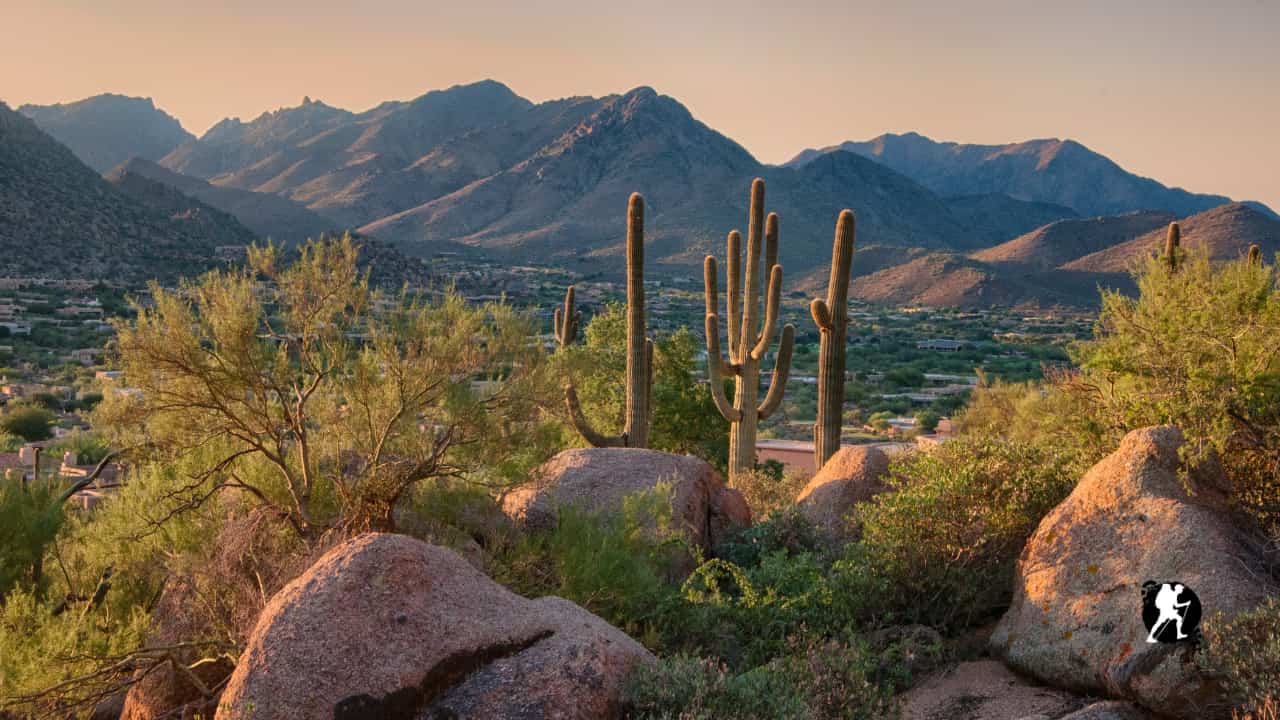
The Arizona Trail stretches 800 miles from Mexico to Utah, crossing diverse terrain that ranges from Sonoran Desert to alpine forests. Unlike many long-distance trails with a clear hiking season, the Arizona Trail demands careful timing because you’re essentially chasing favorable weather across dramatically different elevations and climate zones.
The Two Main Hiking Windows
Most thru-hikers tackle the Arizona Trail during one of two primary seasons: spring (March through May) or fall (September through November). Each season offers distinct advantages and challenges, and your choice will largely determine whether you hike northbound (NOBO) or southbound (SOBO).
Spring Season: March to May
Spring is the most popular time to hike the Arizona Trail, with the majority of thru-hikers starting in March or early April. Here’s why this window works so well:
Temperature advantages: You’ll start in the southern desert when winter cold has passed but before the extreme heat of summer arrives. As you progress north and gain elevation throughout April and May, you’re climbing into cooler mountain zones just as the lower elevations become uncomfortably hot.
Water availability: Spring snowmelt in the higher elevations means more reliable water sources in the central and northern sections. This is crucial because water is often the limiting factor on the Arizona Trail.
Wildflower season: If you time it right, you’ll experience the spectacular desert bloom in March and April, one of the trail’s most memorable features.
The main drawback? Spring can bring unpredictable weather in the higher elevations, including late-season snow in the San Francisco Peaks and Rincon Mountains. Early starters (late February or early March) risk encountering snowpack, while late starters (late April or May) might face increasing heat in the desert sections.
Fall Season: September to November
Fall hiking offers a completely different experience and is the second most popular window. Hikers typically start in mid-September through early October.
Beating the heat: By starting in September, you’re hiking the northern high country as summer heat breaks but before winter storms arrive. As you move south and lose elevation, you’re descending into the desert as temperatures become more manageable in October and November.
Monsoon aftermath: The summer monsoon season (July and August) typically ends by mid-September, leaving behind recharged water sources that can make fall hiking surprisingly pleasant for water availability.
Solitude: Fewer hikers choose fall, meaning you’ll likely have a quieter experience with less competition for camping spots and water sources.
The challenges of fall include shorter daylight hours as you progress into October and November, and the risk of early winter storms in the high country if you start too late. There’s also less flexibility if you need to take breaks, as the weather window is tighter than spring.
NOBO vs SOBO: Direction Matters
Your hiking direction is intrinsically linked to your start time, and most hikers choose based on seasonal weather patterns.
Northbound (NOBO): Starting at the Mexican Border
Best start time: Late March to mid-April
NOBO hikers begin at the Mexican border near the Coronado National Memorial and walk toward Utah. This direction pairs perfectly with spring hiking because you’re following the warming trend northward and upward.
Starting NOBO in late March means you’ll hit the southern desert sections in comfortable temperatures (60s-70s°F during the day), reach the central mountains in April when snow is melting but trails are passable, and arrive at the high country of the San Francisco Peaks in May or early June when the snow has largely cleared.
The rhythm of NOBO hiking feels natural: you’re walking into progressively cooler temperatures as the calendar advances into warmer months. This synchronization is why roughly 70-80% of thru-hikers choose the northbound route.
Southbound (SOBO): Starting Near Utah
Best start time: Mid-September to early October
SOBO hikers start near the Utah border and walk toward Mexico. This direction is ideal for fall because you begin in the high country when it’s pleasant and cool, then descend into warmth as autumn progresses.
Starting SOBO in mid-September allows you to tackle the northern mountains while they’re still accessible but cooling down from summer heat. As you move south through October, you’re descending in elevation just as the desert regions are becoming comfortable again after the scorching summer.
SOBO hiking requires more precise timing than NOBO. Start too early (August or early September), and you’ll face lingering monsoons and heat. Start too late (late October), and you might encounter early winter storms in the high country or need to rush through the desert before you’re ready.
Why Timing Is Critical on the Arizona Trail
Unlike trails in more temperate climates, timing can make or break your Arizona Trail experience. Here’s what’s at stake:
Water Sources
The Arizona Trail crosses an arid landscape where water sources are scarce and seasonal. Spring snowmelt and monsoon recharge are the primary mechanisms that fill tanks, streams, and springs. Hiking outside the recommended windows often means facing critically low water availability, requiring longer carries and more complex logistics.
Many water sources are seasonal or intermittent, flowing reliably only during specific months. The community-maintained water reports are essential, but they can’t create water where there is none. Timing your hike for maximum water availability isn’t just convenient; it’s a safety issue.
Temperature Extremes
The Sonoran Desert sections can reach 110°F or higher from June through August, creating genuinely dangerous conditions for hikers. Conversely, the high country can experience below-freezing temperatures and significant snowfall from November through March.
These aren’t just discomforts to manage. Heat exhaustion, heat stroke, hypothermia, and getting caught in snowstorms are real risks that proper timing helps you avoid.
Trail Conditions
Snow in the higher elevations can make navigation difficult and dangerous. The San Francisco Peaks area (which includes the trail’s high point at 9,000+ feet) typically holds snow into April or even May. Starting too early in spring or too late in fall means potentially postholing through snow, losing the trail, or needing to carry mountaineering equipment.
Resupply Access
Some trail towns and resupply points have limited services during the off-season. Small communities along the trail may have reduced hours or closures in the dead of winter or heat of summer, complicating your logistics if you’re hiking outside the prime windows.
Alternative Timing: The Exceptions
A small number of experienced hikers attempt the Arizona Trail in winter (December through February) or summer (June through August), but these are not recommended for beginners.
Winter hiking requires dealing with significant snow and cold in the high country, while summer hiking means extreme heat in the desert sections and potential monsoon storms. These seasons demand advanced skills, specialized gear, and carefully planned logistics.
Winter presents a unique challenge at the Grand Canyon section: the North Rim facilities close from mid-October through mid-May, and the access road (Highway 67) is not plowed. This means winter hikers must either take a lengthy alternate route around the canyon, arrange special logistics to traverse the canyon rim-to-rim, or time their hike to avoid this section during closure. The North Rim closure is a significant logistical barrier that affects fall hikers who start late and winter attempts.
Making Your Decision
For most beginner thru-hikers, the choice comes down to personal preference between spring and fall:
Choose spring NOBO if: You want the most popular, well-supported timing with maximum flexibility, don’t mind occasional crowds, and love desert wildflowers.
Choose fall SOBO if: You prefer solitude, want a tighter hiking community (fewer hikers means you’ll likely see the same people more often), and don’t mind shorter days and a more compressed timeline.
Both windows work. Both have successfully supported thousands of thru-hikers. The “wrong” choice would be attempting the trail in the off-season without the experience and preparation those attempts require.
Start planning around these windows, watch weather patterns for your target year, and join online communities to hear from recent hikers about current conditions. Timing isn’t everything, but on the Arizona Trail, it’s close.