
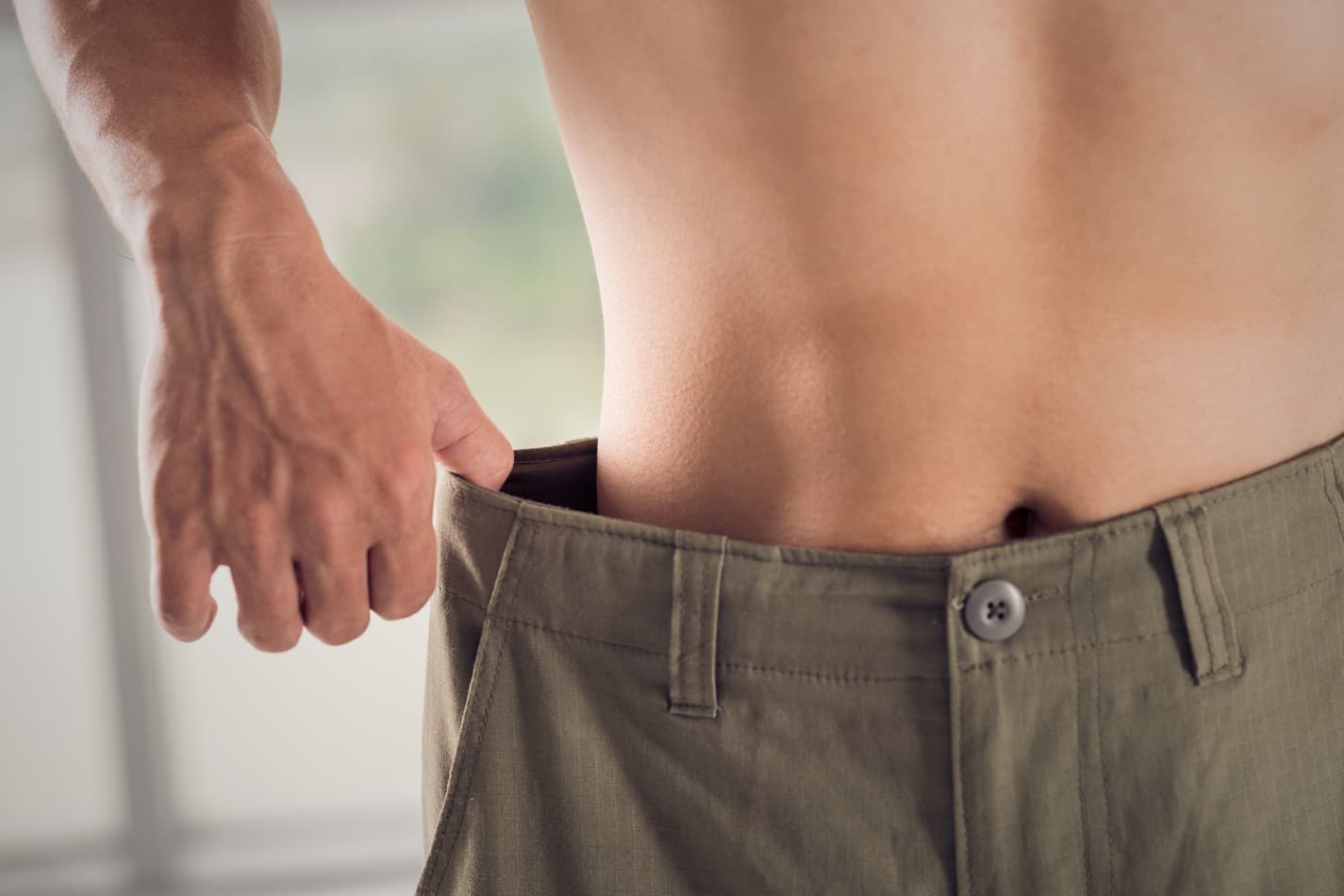
If you’ve researched thru-hiking for more than five minutes, you’ve probably seen the transformation photos. Hikers who finish long trails like the Appalachian Trail, Pacific Crest Trail, or Continental Divide Trail often look dramatically different than when they started. Weight loss on trail isn’t just common, it’s nearly universal. But understanding why it happens and what it means for your body will help you prepare mentally and physically for your own journey.
Why Thru-Hikers Lose Weight Despite Eating Everything
The math behind trail weight loss is straightforward but extreme. Thru-hiking burns between 4,000 and 6,000 calories per day, depending on your body size, pack weight, terrain, and daily mileage. To put this in perspective, the average sedentary person burns around 2,000 calories daily.
Here’s the problem: it’s extremely difficult to eat 5,000 calories per day while hiking. You’re carrying all your food, your appetite might be suppressed during hard climbs, and town stops are irregular. Even hikers who eat constantly, who down entire pizzas and pints of ice cream in town, who snack throughout the day on trail, typically only consume 3,000 to 4,000 calories daily.
This creates a calorie deficit of 1,000 to 2,000 calories every single day. Over weeks and months, this deficit adds up. A pound of body fat contains roughly 3,500 calories, so a deficit of 1,500 calories per day translates to about three pounds lost per week. Many thru-hikers lose 10 to 30 pounds over the course of a complete trail, with some losing even more.
The First Few Weeks Are Different
During your first two to three weeks on trail, your body goes through an adjustment period. You might actually gain a little weight initially as your leg muscles adapt and retain water for repair. You’ll likely feel exhausted and constantly hungry. This phase is often called “getting your trail legs.”
After this adaptation period, weight loss typically accelerates. Your body becomes more efficient at hiking, but you’re also covering more miles each day. The combination of increased mileage and improved efficiency paradoxically increases your total calorie burn while your appetite may struggle to keep pace.
Muscle Changes: Not Just Weight Loss
Weight loss on trail isn’t simply fat disappearing. Your body composition changes dramatically. Your legs will gain significant muscle mass, especially in your calves, quads, and glutes. These muscles work constantly, climbing thousands of feet of elevation and absorbing impact on descents.
Meanwhile, your upper body muscle mass typically decreases. Unless your pack is extremely heavy or you’re doing camp exercises, your arms, chest, and shoulders aren’t getting the resistance training they’re used to. Your body treats this upper body muscle as expendable and breaks it down for energy, especially during calorie deficits.
The result? Most thru-hikers end up with powerful legs and a leaner upper body. Some describe it as becoming “skinny everywhere except the legs.” This muscular transformation is actually more significant than the scale might suggest, since muscle weighs more than fat.
The Challenge of Eating Enough
Eating enough calories on trail is harder than it sounds. Several factors work against you:
Physical limitations: Your stomach capacity doesn’t magically increase just because you’re burning more calories. Eating 5,000 calories requires almost constant consumption, which feels uncomfortable.
Appetite suppression: Hard physical exertion, especially at elevation, often reduces appetite. Many hikers find they’re not hungry until they stop moving, making it difficult to eat while hiking.
Food weight: Calorie-dense foods are essential, but you still need to carry everything. Most hikers can carry four to six days of food, which limits total intake between resupply points.
Digestive issues: The constant movement, changes in diet, and different water sources can cause digestive problems that further reduce appetite and food absorption.
Many experienced thru-hikers learn to prioritize calorie-dense foods like nuts, nut butters, oil, cheese, chocolate, and dehydrated meals with added fats. These provide maximum calories for minimum weight and volume.
Is Trail Weight Loss Unhealthy?
For most hikers starting at a healthy weight, moderate weight loss on trail is normal and not harmful. Your body adapts, you’re getting tremendous cardiovascular exercise, and you’re building functional strength. However, there are important considerations:
Excessive weight loss (more than two pounds per week consistently, or losing weight that drops you below a healthy BMI) can indicate you’re not eating enough. This can lead to fatigue, injury, illness, and losing too much muscle mass.
Listen to your body’s signals. Persistent exhaustion, trouble recovering between hiking days, frequent injuries, getting sick repeatedly, or loss of menstruation in women are all red flags that you need more calories and rest.
Don’t diet on trail. This isn’t the time to intentionally restrict calories or try to lose additional weight. Your body needs fuel to perform, recover, and stay healthy.
Practical Strategies for Managing Trail Weight Loss
Eat calorie-dense foods: Focus on foods with 120+ calories per ounce. Nuts, nut butters, olive oil, cheese, chocolate, and full-fat dried milk are excellent choices.
Snack constantly: Don’t wait until you’re hungry. Eat a little bit every hour while hiking to maintain energy and keep your metabolism fueled.
Go big in town: When you reach town, this is your chance to eat large quantities without carrying the weight. Don’t hold back at restaurants and grocery stores.
Add fats to everything: Olive oil, coconut oil, or butter packets can be added to dinners for an extra 200-300 calories with minimal weight and no additional fullness.
Track your energy levels, not just weight: How you feel is more important than the number on a scale. If you’re energetic, recovering well, and hiking strong, your body is getting what it needs.
Consider your starting point: If you begin your hike with lower body fat, you’ll need to be more aggressive about calorie intake. If you start with extra weight to lose, some initial loss is normal and expected.
The Bottom Line
Weight loss on a thru-hike is normal, expected, and for most people, nothing to worry about. Your body is doing exactly what it should: adapting to enormous daily energy demands. You’ll build incredible leg strength, improve your cardiovascular fitness, and likely end the trail in the best shape of your life.
The key is eating as much as you reasonably can, choosing calorie-dense foods, listening to your body’s signals, and adjusting your approach if you notice signs of excessive weight loss or inadequate recovery. Every hiker’s experience is different, and what works changes as you progress down the trail.
Embrace the transformation, fuel your body well, and enjoy the amazing things your body can do when you give it the chance.