
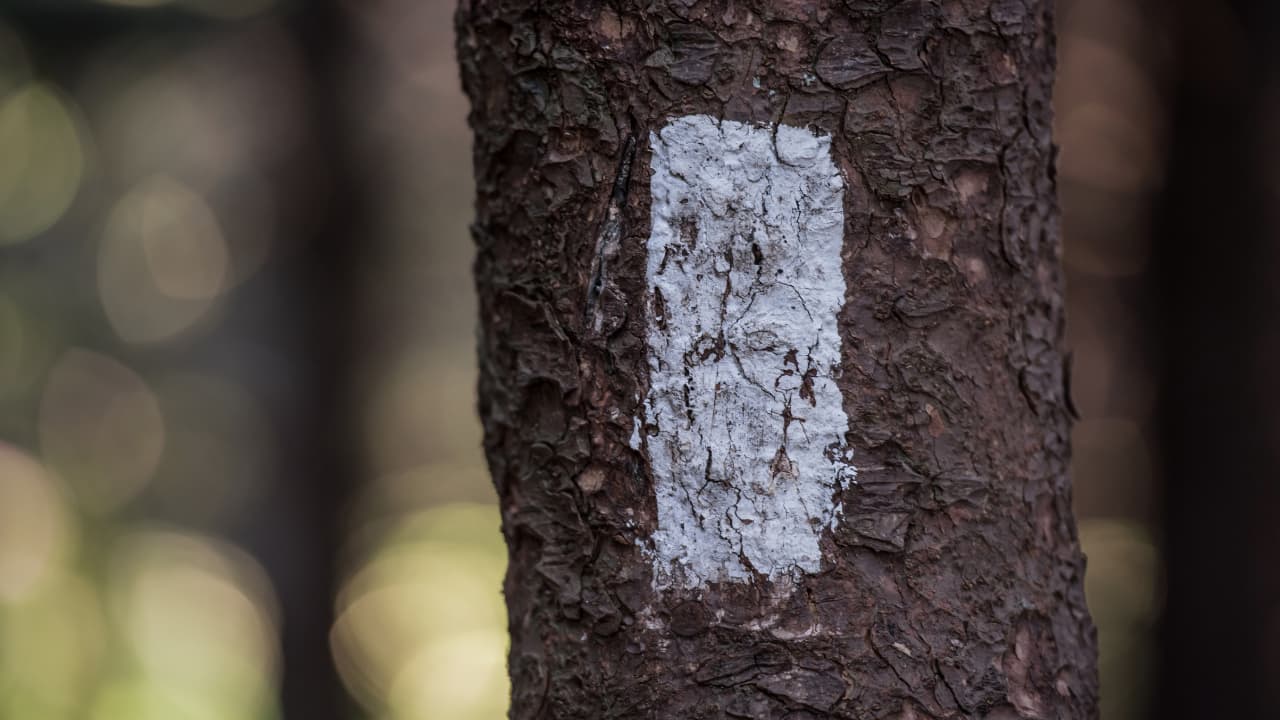
When thru-hikers talk about the Appalachian Trail, certain sections become legendary. The Rollercoaster is one of them. This notorious 13.5-mile stretch in northern Virginia has earned its reputation as one of the most physically demanding sections of the entire 2,190-mile trail. But what exactly makes The Rollercoaster so special, and why do hikers have such strong opinions about it?
What Is The Rollercoaster?
The Rollercoaster is a section of the Appalachian Trail located in northern Virginia, roughly between the Shenandoah National Park and Harpers Ferry, West Virginia. The section officially runs from around Bears Den Rocks (near Bluemont, Virginia) northbound to the Potomac River.
The name perfectly captures what awaits you: a relentless series of steep climbs and descents over multiple ridges and gaps. You will ascend and descend approximately 10 significant peaks over those 13.5 miles, gaining and losing around 4,800 feet of elevation. To put that in perspective, you are climbing the equivalent of hiking up a 4,800-foot mountain, except you are doing it in chunks, over and over again.
Why Everyone Talks About The Rollercoaster
The Rollercoaster has achieved near-mythical status in the thru-hiking community for several reasons:
It’s a rite of passage. By the time northbound thru-hikers (NOBOs) reach The Rollercoaster, they have typically been on trail for about three months and have covered roughly 1,000 miles. This section serves as a final test before reaching the psychological milestone of Harpers Ferry, often called “the psychological halfway point” of the AT.
It defies Virginia’s reputation. Most of Virginia is known for being relatively gentle and flat compared to other states along the trail. Hikers often refer to the state as “the green tunnel” because of the seemingly endless, moderate terrain through forests. The Rollercoaster shatters that expectation completely.
It’s unexpectedly brutal. The consecutive, punishing ups and downs catch many hikers off guard, especially those who have just spent weeks in the easier terrain of central and southern Virginia. Your legs never get a break, and the climbs, while not extremely high, are steep and repetitive.
Why The Rollercoaster Can Be Brutal
Understanding why this section is so challenging will help you prepare mentally and physically:
Constant elevation change means your body never settles into a rhythm. Just when you finish a grinding climb, you immediately face a steep descent that punishes your knees and toes. Then you start climbing again. This pattern repeats roughly 10 times.
Descents are just as hard as climbs. Many beginner hikers underestimate how taxing descents can be. The downhills on The Rollercoaster are steep and rocky, requiring constant braking with your legs. Your quadriceps and knees take a beating, and if your boots do not fit perfectly, you will likely develop blisters on your toes from them jamming into the front of your shoes.
Limited water sources compound the difficulty. Depending on recent rainfall, water can be scarce along this section. You may need to carry more water than usual, adding weight to your pack during an already strenuous stretch.
Mental fatigue sets in. The repetitive nature of climbing, descending, climbing, descending wears on your mental state. You think you have reached the last climb, only to face another. This psychological challenge is just as real as the physical one.
Timing matters tremendously. Many NOBOs hit The Rollercoaster in mid-to-late June, often during the hottest part of summer. The combination of heat, humidity, and relentless elevation changes can push hikers to their limits. There is limited shade in some sections, and the summer sun beats down mercilessly.
Why Some Hikers Absolutely Love It
Despite its fearsome reputation, many thru-hikers count The Rollercoaster among their favorite sections. Here’s why:
It’s genuinely challenging. After potentially weeks of easier hiking, The Rollercoaster provides a welcome physical and mental challenge. Hikers who crave difficulty appreciate that this section demands their full effort and attention.
The views are stunning. Unlike much of Virginia’s tree-covered trail, The Rollercoaster offers multiple scenic overlooks. You will find beautiful vistas from several peaks, making those climbs feel worthwhile.
It builds confidence and strength. Completing The Rollercoaster gives hikers a massive psychological boost. If you can conquer this section, you prove to yourself that you can handle anything the trail throws at you. The remaining challenging sections in the northern states feel more manageable after this accomplishment.
It’s objectively beautiful terrain. The forest is lush, the rock formations are interesting, and the wilderness feels remote and wild. For hikers who love the pure experience of being in nature, The Rollercoaster delivers.
It creates trail magic opportunities. Because of its notorious reputation, The Rollercoaster often attracts trail angels who set up with cold drinks, snacks, or encouragement at road crossings. The trail community rallies around hikers tackling this section.
What Beginners Need to Know
If you are planning to hike The Rollercoaster, whether as part of a thru-hike or as a section hike, here’s what you need to consider:
Physical preparation is essential. Train with weighted pack hikes that include both steep climbs and descents. Your body needs to be conditioned for repetitive elevation changes, not just distance.
Proper footwear is critical. Make sure your boots or trail runners fit perfectly with adequate toe room. Poor-fitting shoes will result in painful blisters on this section. Consider using hiking poles to reduce impact on your knees during descents.
Pack light. Every extra pound in your pack multiplies the difficulty. If there is ever a section to embrace ultralight principles, this is it.
Plan your water carefully. Check recent trail reports for water source conditions. Apps like Guthook (now called FarOut) provide real-time updates from other hikers. Carry extra capacity if sources are reported as dry.
Start early in the day. Begin this section in the cool morning hours, especially in summer. You will want to finish before the afternoon heat peaks.
Manage expectations. Know that this section will be hard. Accept it, embrace it, and do not compare your pace to your normal hiking speed. Slow and steady wins here.
Consider breaking it up. While many thru-hikers push through in one day, there is no shame in splitting this section into two days. Rod Hollow Shelter sits roughly at the midpoint and provides a logical stopping point.
The Bottom Line
The Rollercoaster is exactly what its name suggests: a wild ride of ups and downs that will test every aspect of your hiking ability. It has earned its reputation honestly. This section will challenge you physically with relentless elevation changes, mentally with its repetitive nature, and emotionally as you dig deep to keep moving forward.
But here is the truth: finishing The Rollercoaster is immensely rewarding. The sense of accomplishment, the beautiful views, and the knowledge that you conquered one of the trail’s toughest sections make every painful step worthwhile. It separates casual hikers from committed thru-hikers and provides a experience you will remember and talk about for years.
Whether you end up loving it or merely surviving it, The Rollercoaster will become one of the defining moments of your Appalachian Trail journey.