
This website uses affiliate links which may earn a commission at no additional cost to you. As an Amazon Associate I earn from qualifying purchases.
When you’re planning a thru-hike, one of the most important gear decisions you’ll make involves your shell layers. These are the protective outer garments that shield you from wind, rain, and snow. Unlike insulation layers that keep you warm, shell layers focus on keeping you dry and blocking the elements. Understanding your options will help you stay comfortable through every weather condition the trail throws at you.
What Are Shell Layers?
Shell layers are your first line of defense against the weather. Think of them as a barrier between you and the elements. They’re designed to be worn over your base layers and insulation when conditions demand protection. The key is that shells don’t provide warmth themselves, they protect the layers underneath and keep precipitation from soaking through to your skin.
Most thru-hikers carry at least one shell layer, and many carry two different types depending on the expected conditions and the trail they’re hiking.
Types of Shell Layers
Rain Jackets
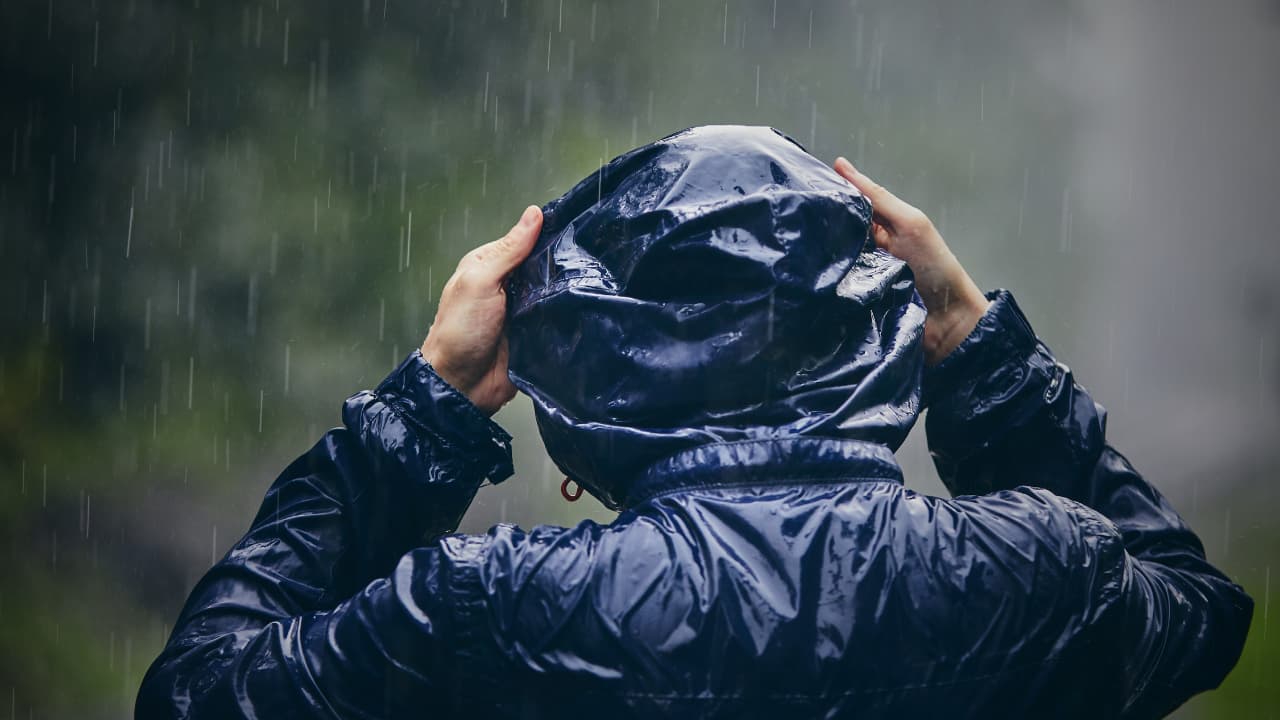
Your rain jacket is likely the most important shell layer you’ll carry. A good rain jacket keeps you dry during downpours while allowing moisture from sweat to escape. This balance is crucial because getting soaked from the inside due to trapped sweat is just as miserable as getting wet from rain.
Look for jackets like the Zpacks Vertice, which are made with amazing waterproof-breathable fabrics like Vertice, Gore-Tex, eVent, or other proprietary membranes. These materials have microscopic pores that let water vapor escape while blocking liquid water from entering.
Key features to consider include a hood that fits over a hat, pit zips for ventilation, pockets that sit above your hipbelt, and adjustable cuffs. Many thru-hikers prefer jackets that pack down small and weigh under 12 ounces.
Wind Jackets (Wind Shells)
A wind jacket, like the EE Copperfield, are lightweight shell that blocks wind but offers minimal to no water resistance. These are popular with ultralight hikers because they weigh as little as 2-4 ounces and pack down to nearly nothing.
Wind jackets work surprisingly well in light drizzle or misty conditions, and they’re excellent for active warmth on cool mornings or breezy ridgelines. Many hikers find they reach for their wind jacket more often than their rain jacket because it handles a wider range of conditions without causing overheating.
The trade-off is that wind jackets won’t keep you dry in sustained rain. Some hikers carry both a wind jacket and a rain jacket, using the lighter wind shell for most conditions and only breaking out the rain jacket when truly necessary.
Rain Pants
Rain pants protect your legs from precipitation and wind. They come in two main styles: full-zip pants that you can put on over your shoes, and pull-on pants that require removing your footwear.
Here’s the reality: many thru-hikers abandon rain pants after a few weeks on trail. Your legs generate a lot of heat when hiking, and rain pants often trap so much moisture from sweat that your legs end up just as wet as they would be in the rain. Additionally, wet legs aren’t as problematic as a wet torso since your legs stay warm through movement.
That said, rain pants have their place. They’re valuable in cold, wet conditions, during breaks when you’re not generating heat, or in camp. They also provide wind protection on exposed sections. Consider your trail’s climate, the season you’re hiking, and your personal cold tolerance.
Rain Skirts and Kilts
Rain skirts and kilts are alternatives to rain pants that have gained popularity in the thru-hiking community. These wrap-around garments cover you from waist to knee (or lower) and attach to your hipbelt.
The advantages are significant: excellent ventilation, no sweaty legs, easy bathroom breaks, and they’re lighter than rain pants. They work remarkably well for keeping your core and thighs dry while allowing your lower legs to get wet without concern.
The disadvantages include less protection in driving rain, potential issues with ticks in tall grass, and less warmth in cold conditions. Many hikers who try rain skirts become devoted converts.
Understanding Waterproof Ratings
When shopping for shells, you’ll encounter waterproof ratings measured in millimeters. This number indicates how much water pressure the fabric can withstand before leaking. A rating of 10,000mm means the fabric can handle a 10,000mm column of water pressing against it.
For context, light rain exerts about 2,000mm of pressure, while heavy rain with wind can reach 8,000mm. Most quality rain jackets range from 10,000mm to 30,000mm.
However, don’t obsess over these numbers. Breathability is equally important, and a jacket with a 15,000mm rating that breathes well will serve you better than a 30,000mm jacket that turns into a sauna.
Durability and Denier
Denier measures the thickness of fabric fibers. Higher denier means more durable fabric, but also more weight. Most ultralight rain jackets use 7D to 20D fabrics, balancing durability with packability.
Expect some wear and tear on a thru-hike. Lightweight shells can develop small holes or worn spots, especially where your pack’s shoulder straps rub. Many hikers carry Tenacious Tape or similar repair patches to fix issues on trail.
DWR Treatment and Maintenance
New shells come with a DWR (Durable Water Repellent) coating that makes water bead up and roll off. Over time and with dirt accumulation, this coating wears off, causing your jacket to “wet out” where water saturates the outer fabric.
You can restore DWR by washing your jacket with technical wash, then tumble drying on low heat or using a DWR spray treatment. This maintenance can significantly extend your shell’s performance during a long hike.
Choosing the Right Shell System
Your ideal shell system depends on several factors:
Trail and Season: The Pacific Crest Trail in summer requires less rain protection than the Appalachian Trail in spring. Research your specific trail’s typical weather.
Personal Preference: Some people run hot and hate feeling clammy in shells. Others get cold easily and want maximum protection.
Budget: Quality shells are expensive, but they’re one area worth investing in. A good rain jacket should last multiple thru-hikes.
Weight Philosophy: Ultralight hikers might carry only a wind jacket and embrace getting wet. More conservative packers carry full rain protection.
Practical Tips for Using Shells
Vent before you sweat. Open pit zips or remove your shell before you overheat. Once your base layers are soaked with sweat, you’ve lost the battle.
Adjust as you go. Hiking uphill in rain requires different ventilation than walking downhill or taking breaks.
Dry your shells in camp. Even waterproof shells accumulate moisture. Hang them to air out whenever possible.
Test before you trek. Take your rain gear on several day hikes in wet conditions to understand how it performs and how you use it.
Remember, there’s no perfect shell system. Every option involves compromises between weight, protection, breathability, and cost. The best system is one that matches your hiking style and keeps you comfortable enough to enjoy the journey. As you gain experience on trail, you’ll develop preferences and may adjust your approach. That’s completely normal and part of becoming a seasoned thru-hiker.