
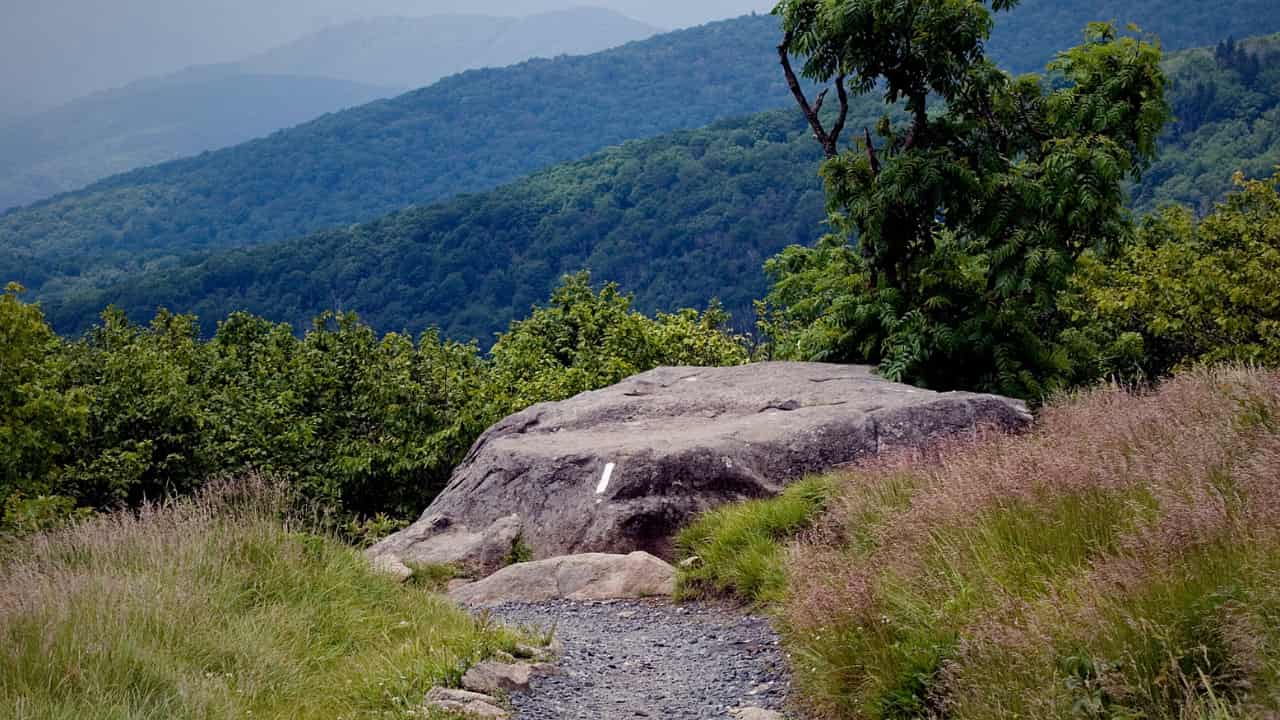
When you first start researching thru-hiking, you’ll quickly encounter trail terminology that sounds like a foreign language. One term you’ll see repeatedly is “Nero day” (sometimes stylized as NERO). Understanding this concept is essential for planning a successful long-distance hike and maintaining your physical and mental health on trail.
What Is a Nero Day?
A Nero day is a near-zero mileage day where you hike significantly fewer miles than your typical daily average. While the exact mileage varies by hiker and trail, a Nero generally means hiking anywhere from 5 to 12 miles instead of your normal 15 to 25 miles. The key distinction is that you’re still making forward progress, unlike a zero day where you don’t hike at all.
The term comes from the Roman Emperor Nero, playing on the words “near” and “zero.” It’s become universal language on popular trails like the Appalachian Trail, Pacific Crest Trail, and Continental Divide Trail.
Why Thru-Hikers Take Nero Days
Nero days serve multiple important purposes during a long-distance hike. Understanding when and why to take them can mean the difference between finishing your thru-hike and going home early.
Physical Recovery
Your body endures incredible stress during a thru-hike. Nero days give your muscles, joints, and feet time to recover without completely stopping forward momentum. This is especially important when you’re dealing with minor aches, hot spots, or general fatigue that haven’t escalated to injury level yet. Many hikers find that a well-timed Nero prevents injuries that would otherwise require multiple zero days or even leaving the trail.
Logistical Necessities
Sometimes Nero days happen because of practical trail life needs. If you need to resupply, do laundry, pick up a mail drop, or make phone calls, hiking into town mid-morning and spending the afternoon handling these tasks creates a natural Nero day. You might hike 8 miles into town, take care of business, then hike another 3 miles out before camping. That’s an 11-mile Nero that accomplished essential tasks.
Mental Health Breaks
The mental challenge of thru-hiking often surprises beginners. Day after day of hiking can become monotonous or overwhelming. Nero days provide psychological relief without the guilt some hikers feel about taking a full zero. You’re still hiking, still making progress, but you’re also giving your mind a break from the relentless daily grind.
Weather Management
Severe weather often necessitates Nero days. Starting late to let morning storms pass, or stopping early when afternoon thunderstorms roll in, naturally creates lower mileage days. Rather than pushing through dangerous conditions, smart hikers use Nero days to stay safe while still covering some ground.
Social Opportunities
Trail life revolves around the hiking community you develop. Sometimes you want to spend extra time with your trail family without taking a full zero. A Nero day lets you sleep in, have a leisurely breakfast, enjoy extended conversations, and still make it to the next shelter or campsite together.
Common Nero Day Scenarios
Understanding typical situations helps you plan and recognize when a Nero makes sense.
Town Stops: The most common Nero scenario involves stopping in a trail town. You hike in, spend several hours resupplying and showering, then hike a few more miles before camping. This gives you town amenities without the expense or time commitment of staying overnight.
Recovery Days: After pushing big miles or tackling difficult terrain, a Nero lets you ease back into normal mileage. Many hikers take Neros after particularly challenging sections or after achieving major milestones.
Meeting Points: If family or friends are visiting you on trail, the day they arrive often becomes a Nero. You hike to the meeting location, spend time together, then continue hiking afterward.
Gear Issues: Dealing with equipment problems often creates unplanned Neros. Waiting for a store to open, finding replacement gear, or making repairs takes time that cuts into hiking hours.
Planning Strategic Nero Days
While some Neros happen spontaneously, planning strategic low-mileage days improves your overall hiking experience.
Look at your guide and identify challenging sections where a Nero afterward makes sense. After climbing a major mountain or hiking through difficult terrain, plan for reduced mileage the following day. Your body will appreciate the consideration.
Schedule Neros around resupply points by planning to arrive at trail towns mid-morning or early afternoon. This gives you time to handle logistics and still hike out a few miles, avoiding expensive hotel stays while still getting what you need.
Consider taking Neros before and after zero days. A Nero into town, a zero in town, and a Nero out of town creates a three-day break that feels substantial without stopping completely for multiple days.
Nero Days vs. Zero Days
Understanding the difference helps you make better decisions on trail.
Zero days involve no hiking whatsoever. You stay in one place for 24 hours, usually in town. Zeros provide maximum physical recovery and time for extensive resupply, gear maintenance, or rest, but they stop forward progress entirely and cost more money.
Nero days maintain momentum while still providing relief. They’re ideal when you don’t need a full day off but want to slow down. Neros also tend to be less expensive since you’re not paying for hotel rooms or spending full days in town eating restaurant food.
Most successful thru-hikers use a combination of both. A common pattern is taking regular Nero days with occasional zero days when needed. This approach balances recovery with consistent progress toward your destination.
Common Beginner Mistakes
New thru-hikers often mismanage Nero days in predictable ways.
Taking too many Neros early on: Beginners sometimes take frequent low-mileage days when their bodies are still adjusting, which can slow conditioning and extend the overall timeline dangerously. Your body needs consistent mileage to adapt, not constant breaks.
Feeling guilty about Nero days: Some hikers push themselves because they feel Neros mean they’re weak or slow. This mindset leads to injuries and burnout. Nero days are a tool, not a weakness.
Not planning Neros around logistics: Randomly taking Neros without considering resupply points, water sources, or camping locations creates unnecessary complications.
Confusing Neros with slacking: A Nero means you hike fewer miles under your own power. Slackpacking (hiking without a full pack, often with support) is different and serves different purposes.
Making the Most of Your Nero Days
When you do take a Nero, maximize its benefits.
Start later than usual to get extra sleep. Even two extra hours of rest makes a significant difference in recovery.
Focus on trail maintenance tasks like detailed foot care, gear repairs, or thorough stretching. The extra time lets you address issues you typically rush through.
Enjoy your surroundings more fully. Nero days provide opportunities to actually experience the places you’re hiking through rather than constantly rushing to the next destination.
Use the mental break wisely. Journal, call loved ones, or simply sit and reflect on your journey. These moments help sustain your motivation for the long journey ahead.
Final Thoughts
Nero days represent one of the most useful concepts in thru-hiking strategy. They provide flexibility, aid recovery, and help you manage the complex logistics of long-distance hiking without completely stopping your progress. Learning when and how to take Nero days effectively separates hikers who finish from those who don’t.
As you gain experience on trail, you’ll develop intuition about when you need a Nero versus when you need a zero or when you should push through. Trust your body, stay flexible, and remember that every successful thru-hiker uses Nero days as part of their strategy. They’re not admitting defeat; they’re hiking smart.