
When you are planning a thru-hike, your sleep system represents one of the biggest decisions you will make. It affects your pack weight, your comfort after brutal days on trail, and ultimately whether you can push through those mental low points that hit everyone eventually. The Outdoor Vitals StormLoft Down TopQuilt sits in an interesting position for beginners: it offers genuine performance without the intimidating price tag or complexity of premium cottage industry options.
Let me walk you through what actually matters about this piece of gear.
What You Need to Know About Top Quilts First
If you are coming from traditional sleeping bags, the concept of a top quilt requires a small mental shift. You are not zipping yourself into anything. Instead, you are draping insulated material over your body while you lie on your sleeping pad. The pad provides insulation below you, the quilt provides it above you. This eliminates the compressed insulation under your body that does nothing anyway in a sleeping bag.
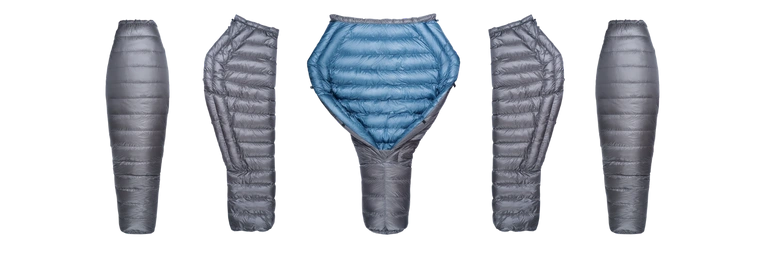
The StormLoft operates on this principle. It saves weight by cutting out unnecessary material and zippers while maintaining full coverage where you actually need warmth. For thru-hikers counting every ounce, this matters significantly.
Choosing Your Temperature Rating
The OV StormLoft comes in four temperature ratings: 0°F, 15°F, 30°F, and 40°F. Understanding which one you need prevents both carrying unnecessary weight and suffering through cold nights.
The 40°F quilt works for summer thru-hikes in temperate regions. Think Pacific Crest Trail in July and August, or Appalachian Trail from June through early September at lower elevations. This version weighs roughly 16 ounces and packs down to about the size of a Nalgene bottle. If you are planning a pure summer hike where temperatures reliably stay above freezing, this becomes your lightest option.
Move to the 30°F rating for shoulder season hiking or routes with elevation variation. This handles spring and fall on most trails, plus summer hiking where you will camp above 8,000 feet regularly. The weight increases to around 20 ounces, but you gain critical versatility. Most thru-hikers doing a full trail like the Continental Divide Trail choose this rating because conditions vary so dramatically.
The 15°F quilt targets early spring starts, late fall finishes, or high-altitude summer routes. If you are planning a Colorado Trail thru-hike or starting the PCT in early April, this rating gives you the warmth buffer you need. Weight hits approximately 26 ounces, which still undercuts most sleeping bags in this temperature range.
The 0°F version serves winter camping and extreme cold weather hiking. Unless you are specifically planning winter miles, you probably do not need this much insulation. At around 32 ounces, it represents a significant weight addition.
Real-world performance typically runs about 10 degrees warmer than the rating for average sleepers. If you sleep cold naturally, consider the temperature rating as your actual comfort range. If you sleep warm, you can push each rating about 5-10 degrees colder.
Weight and Packed Size in Practice
Here is what matters on trail: every version of the StormLoft compresses well beyond its initial stuff sack size. The included compression stuff sack lets you really crank it down, which matters when you are trying to fit everything into a 40-50 liter pack.
The compression ratio beats synthetic insulation dramatically. Where a synthetic quilt in the same temperature rating might compress to the size of a basketball, the StormLoft gets down to something between a softball and a cantaloupe depending on the rating. This compression advantage means you can use a smaller pack overall, saving additional weight on your base setup.
Packed weight includes the stuff sack and storage bag, which Outdoor Vitals throws in as part of the package. This matters because buying these separately from other manufacturers can add $30-50 to your total cost.
Setup and the Learning Curve
Your first night with any quilt involves a learning period. The StormLoft uses a pad attachment system with clips and straps that secure it to your sleeping pad. This prevents the quilt from sliding off when you move during the night.
The attachment points work with both closed-cell foam pads and inflatable pads. You thread straps under your pad, then clip them to corresponding points on the quilt. This takes maybe two minutes once you understand the system. The first time, in the dark, after hiking 25 miles, it might take five minutes and some mild frustration.
The footbox (the enclosed bottom portion) uses a drawstring closure. Pull it snug around your feet to eliminate drafts. The top of the quilt features a neck baffle with its own drawstring. Cinch this around your shoulders to create a seal that keeps warm air in and cold air out.
Moving around during sleep works differently than with a sleeping bag. You can shift positions more freely, but you need to ensure the quilt stays positioned over you. The tapered cut helps here. The quilt is wider at the shoulders and narrower at the feet, which naturally follows your body shape and reduces shifting.
Most people adapt to quilt sleeping within 3-5 nights. Once you do, the freedom of movement and weight savings make going back to a sleeping bag feel restrictive.
ExpeDRY Down Technology Explained
Standard down insulation loses its warming ability when wet. The feathers clump together, eliminating the air pockets that provide insulation. This represents the biggest weakness of down for thru-hiking, where you cannot always keep gear perfectly dry.
The StormLoft uses ExpeDRY down with FUZE technology, which bonds microscopic gold particles to down clusters. This sounds like marketing language until you understand what it actually does: the gold disrupts water molecule formation on the down, allowing moisture to evaporate faster.
In practical terms, if your quilt gets damp from condensation in your tent or light rain exposure, it dries significantly faster than untreated down. Not as fast as synthetic insulation, but fast enough that a few hours in the sun or good ventilation can restore most of its loft.
This matters enormously during long rain stretches. On the Appalachian Trail, where you might face four or five consecutive rainy days, the ability to dry your quilt during brief sunny breaks keeps you warm at night. The water-resistant shell fabric also beads moisture on the outside, preventing saturation before it starts.
Design Features for Cold Weather Performance
The tapered cut serves a specific purpose beyond weight savings. The wider shoulder section allows the quilt to wrap around your body naturally. This creates fewer gaps where cold air can enter compared to a rectangular quilt that just lies flat.
The footbox design encloses your feet completely while using a shape that accommodates different sleeping positions. Side sleepers, back sleepers, and stomach sleepers all report the footbox works without feeling restrictive. The drawstring lets you adjust tightness based on conditions.
The neck baffle deserves specific attention. This insulated collar at the top of the quilt prevents warm air from escaping around your neck and shoulders. Many cheaper quilts skip this feature, which creates a major draft point. The StormLoft includes a substantial baffle with its own adjustment system.
Drawcord keepers prevent the cords from sliding back through their channels. Small detail, but it matters at 2 AM when you are trying to adjust your quilt without a headlamp.
Durability for Long Distance Hiking
The shell fabric uses a 20-denier ripstop nylon with a DWR (durable water repellent) finish. This represents a reasonable balance between weight and durability. It will not tear if you brush against a tree branch, but you should not drag it across rough ground repeatedly.
For thru-hiking, this durability level works well. You are typically using the quilt inside a tent or shelter, not exposing it to harsh abrasion. The fabric holds up through hundreds of nights of use based on reports from long-distance hikers.
The stitching quality matters more than most people realize. The baffle construction keeps the down distributed evenly across the quilt. Cheaper quilts sometimes have down migration issues where insulation shifts toward the footbox over time. The StormLoft maintains even distribution through extended use.
Maintenance and Cleaning
On trail, air your quilt out every morning. Shake it to redistribute the down, then let it air dry while you eat breakfast and pack up. This daily maintenance prevents moisture accumulation and keeps loft maximized.
For deeper cleaning, the quilt requires hand washing or a front-loading washing machine. Use down-specific soap and cold water. The ExpeDRY treatment remains effective through multiple washes, so cleaning does not degrade performance.
Drying takes patience. Use low heat in a dryer with tennis balls to break up clumps, or air dry completely before storing. Never store the quilt compressed long-term. The included storage bag allows the down to maintain loft between trips.
The Value Calculation
At around $379.97 for most temperature ratings (with membership pricing dropping to $341.97), the StormLoft quilt costs significantly less than comparable quilts from Enlightened Equipment ($400-500), Katabatic Gear ($500-600), or Nunatak ($600-800). You give up some customization options and slightly higher quality fabrics, but you get 90% of the performance at 60% of the cost.
The included stuff sack and storage bag represent genuine value. Most cottage manufacturers charge separately for these items.
The 60-day return window and free first exchange policy reduce risk for beginners unsure about their temperature rating choice. You can test the quilt, decide it is too warm or too cold, and exchange for a different rating without eating return shipping costs.
Who Should Choose This Quilt
The StormLoft works exceptionally well for first-time thru-hikers who want performance without massive investment. If you are not certain whether you will love long-distance hiking, spending $600 on a sleep system feels risky. The StormLoft lets you test the quilt concept and ultralight sleeping without the financial commitment.
Budget-conscious hikers doing multiple trips per year benefit from the durability and price point. You can buy this quilt and still have money for other critical gear upgrades.
Three-season hikers covering standard thru-hiking routes find the temperature range options match their needs perfectly. The 30°F rating handles the vast majority of conditions on the AT, PCT, and CDT during normal hiking seasons.
This quilt might not suit you if you need the absolute lightest option regardless of cost, require extensive customization, or are planning serious winter camping below 0°F conditions.
Making Your Decision
Start by honestly assessing your hiking plans. What time of year will you hike? What elevations will you camp at? Do you sleep warm or cold naturally?
Choose your temperature rating based on the coldest conditions you expect to face regularly, not the occasional cold snap. You can always vent the quilt on warm nights, but you cannot add warmth that does not exist.
Consider your total sleep system weight. A 20-ounce quilt with a 16-ounce sleeping pad gives you a sub-2.5 pound sleep system. This represents ultralight territory without extreme measures.
Test the quilt before your thru-hike. Take it on weekend trips. Learn the attachment system. Understand how you sleep with it. This preparation prevents surprises 500 miles into your hike when returns are not practical.
The OV StormLoft Down TopQuilt delivers performance that works for serious thru-hiking without the intimidating price or complexity of premium options. For beginners building their first ultralight setup, it represents a logical choice that balances weight, warmth, durability, and cost effectively. You get a piece of gear that will carry you through a complete thru-hike while leaving room in your budget for other essential upgrades.