
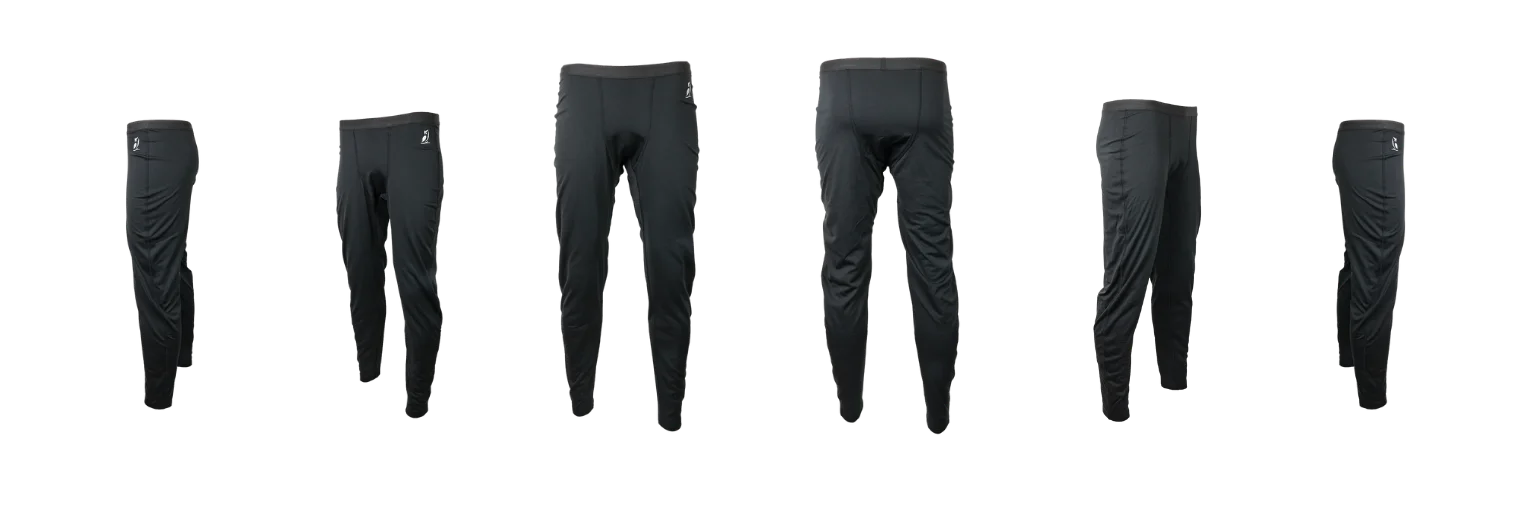
When you’re planning your first thru-hike, the sheer volume of gear decisions can feel overwhelming. Every ounce matters, every dollar counts, and you need equipment that actually works when you’re weeks into the trail. Base layers often get overlooked in favor of flashier gear like tents and packs, but the right thermal leggings can make the difference between miserable nights and comfortable recovery time. Here’s what you need to know about the Outdoor Vitals Highline Thermal Leggings and whether they belong in your pack.
The Weight Question
Weight is currency on a thru-hike. Every item you carry compounds over thousands of miles and millions of steps. The Highline Leggings address this directly. These are genuinely ultralight, coming in significantly lighter than comparable thermal options you’ll find at big box outdoor retailers. You’re not making a compromise here. The fabric uses 100% polyester fleece with exceptional loft, which means high warmth without the bulk or weight penalty. For context, many budget thermal leggings weigh 30-40% more for similar warmth ratings.
When you’re calculating your base weight, those few ounces matter. But here’s the practical reality: you will wear these leggings nearly every evening on trail. They’re not luxury items sitting at the bottom of your pack. They become part of your daily routine, which makes their light weight even more valuable.
The Dual-Purpose Design
Most thru-hikers learn quickly that multi-use gear is smart gear. The OV Highline Leggings serve two distinct purposes that justify their spot in your pack. During the day, especially on colder sections or high-altitude stretches, they work as an insulating layer under your hiking pants or rain gear. The slim profile means they don’t create bulk or restrict movement when layered.
But where these really shine is evening camp wear and sleep insulation. After a long day of hiking, you want to get out of your sweaty, possibly damp hiking clothes. Having dedicated thermal leggings means you have clean, dry, warm clothing to change into. This isn’t just about comfort (though that matters). Staying warm in camp helps your body recover. You sleep better. You start the next day in better condition.
Many hikers try to save weight by skipping dedicated sleep layers, but this often backfires. You end up sleeping in dirty hiking clothes, or you don’t stay warm enough and your sleep quality suffers. The Highline Leggings solve this without adding significant weight.
Real-World Comfort Factors
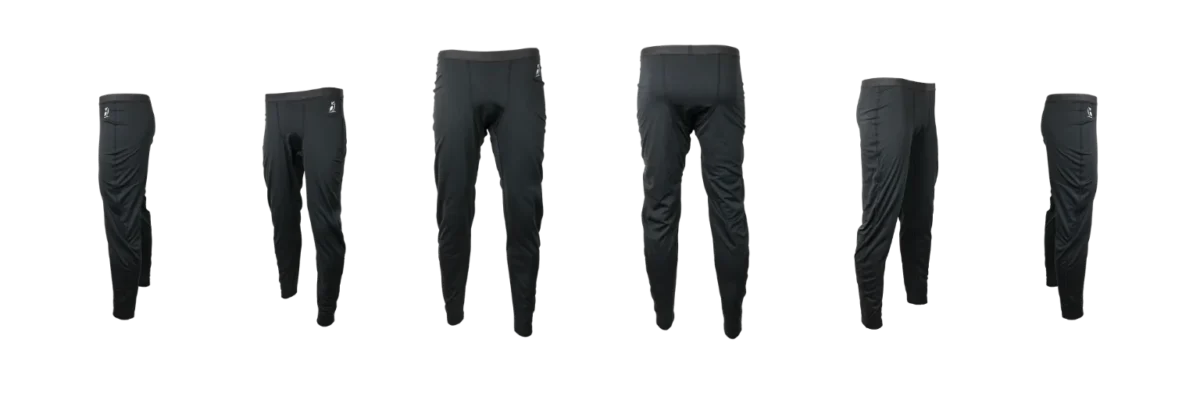
The gusseted crotch design matters more than you might think. This isn’t just marketing language. When you’re wearing thermal leggings for 8-10 hours overnight, or putting in miles during cold weather hiking, that mesh panel provides genuine temperature regulation where you need it most. It prevents overheating in critical areas while maintaining warmth everywhere else.
The fabric has natural stretch without using Spandex. Why does this matter? Spandex holds moisture and takes longer to dry. Pure polyester dries faster, which is crucial on trail. If you need to wash these (and you will), they’ll dry overnight in most conditions. Hang them inside your tent or strap them to the outside of your pack, and they’ll be ready for the next evening.
The fit is close but not restrictive. This is intentional. A close fit eliminates dead air space and improves thermal efficiency. But you’re not dealing with compression leggings here. You can move naturally, bend, stretch, and sleep in various positions without feeling constricted. For thru-hikers who aren’t used to wearing fitted base layers, there’s a short adjustment period, but most people appreciate the fit once they understand the thermal benefits.
Durability Considerations
Thru-hiking is hard on gear. You need items that can handle repeated use, frequent washing, and the general abuse of trail life. The Highline Leggings use Japanese fabric with good shape retention. This means they won’t bag out at the knees or lose their fit after a few weeks of use.
The high loft fleece is surprisingly durable given how soft it feels. You’re not dealing with delicate fabric that snags on everything. However, these are still base layers, not hiking pants. Don’t sit directly on rough surfaces without something between you and the ground. Don’t wear them as your only leg covering when bushwhacking. Treat them as insulation layers, and they’ll last your entire hike.
One practical note: the smooth exterior finish actually helps with durability. It’s less likely to catch on tent fabric, sleeping pad materials, or the random gear chaos inside your pack.
Temperature Range Reality
Marketing claims about temperature ratings are more flexible and for some may be misleading. Here’s the practical breakdown: these leggings work well as camp/sleep wear in temperatures down to freezing, assuming you have a decent backpacking quilt or bag. In colder conditions, they add valuable warmth but aren’t a substitute for proper sleep system insulation.
For active wear, they’re comfortable for hiking in temperatures from the low 30s up to the mid-50s Fahrenheit, depending on your activity level and what you’re wearing over them. The breathability is genuine. You can hike hard in cold weather without turning them into a sweat-soaked mess.
Most thru-hikers will find these work for shoulder season conditions (early spring, late fall) on popular trails like the AT, PCT, or CDT. For winter hiking or extreme cold, you’d want additional layers, but that’s true of any single base layer in this weight class.
The Cleaning Situation
You will need to wash your base layers on a thru-hike. This isn’t optional unless you enjoy being that hiker. The Highline Leggings make this process straightforward. Hand wash them in a sink at hostels, laundromats, or even in a creek if necessary. They rinse clean easily and dry quickly.
The pure polyester construction means they don’t hold odors the way some synthetic blends do. You’ll still need to wash them regularly, but they won’t become unbearable after just a few days of use. This is a significant quality-of-life factor on long trails.
The Price Perspective
At just $69.97 retail (less with their membership pricing), these leggings sit in an interesting price bracket. They’re more expensive than basic thermal underwear from discount retailers, but significantly less than premium base layers from high-end outdoor brands that can easily run $120-150.
For thru-hikers on a budget, this pricing makes sense. You’re getting legitimate performance without paying for brand prestige. The money you save here can go toward other essential gear or resupply costs on trail.
What Could Be Better
No gear is perfect. The sizing runs true to their chart, which means if you’re between sizes, you need to think carefully about fit. Some hikers prefer slightly looser base layers for sleeping. The close fit here is great for thermal efficiency but might not suit everyone’s preferences.
The lack of a fly opening means bathroom breaks require more undressing. This is minor but worth noting for those used to traditional long underwear designs.
The Bottom Line
For thru-hikers evaluating thermal leggings, the Outdoor Vitals Highline Thermal Leggings deliver on the fundamentals: genuinely light weight, solid warmth-to-weight ratio, practical durability, and reasonable pricing. They serve the dual purpose role that makes them worthy of pack space, providing both active insulation and comfortable sleep wear.
These are fairly revolutionary, but they’re also competent and reliable. In thru-hiking, that consistency often matters more than cutting-edge innovation. You need gear that works day after day, that cleans up when needed, and that doesn’t become a problem you have to solve on trail.
If you’re building your first backpacking clothing kit, the Highline Leggings represent a solid choice in the thermal layer category. They’ll keep you warm in camp, help you sleep better, and add versatility to your layering system without punishing your base weight. That’s exactly what thoughtful gear selection looks like for long-distance hiking.