
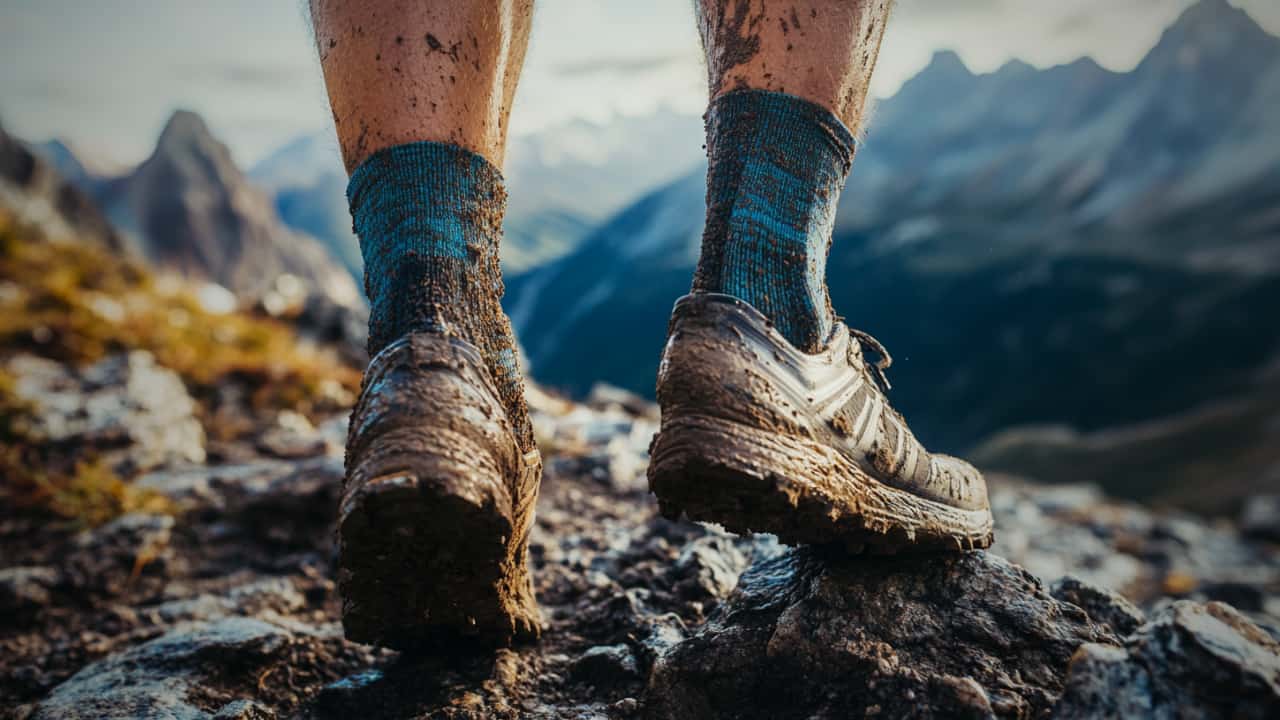
Your feet are your most important piece of gear on a thru-hike. Over the course of hundreds or thousands of miles, even minor foot problems can derail your entire journey. Understanding what to expect, how to prevent common issues, and when to worry will help you stay on trail and enjoy the experience.
The Most Common Foot Problems
Blisters are the number one enemy of thru-hikers. These fluid-filled bubbles form when friction repeatedly rubs your skin, separating the outer layer from the tissue beneath. On a thru-hike, you’ll likely get at least a few blisters, especially in the first few weeks as your feet toughen up. The good news is that blisters are preventable and manageable with the right approach.
Hot spots are the warning sign before blisters form. These are areas of redness and irritation where friction is occurring. Learning to recognize and treat hot spots immediately is one of the most valuable skills you can develop as a hiker. The moment you feel a warm, tender spot developing, stop and address it. Don’t push through the discomfort.
Black toenails happen when your toes repeatedly jam against the front of your shoe, usually on downhill sections. Blood pools under the nail, turning it dark purple or black. While they look alarming, black toenails are usually just cosmetic issues. The nail may eventually fall off and regrow over several months. The key is making sure your shoes have enough toe room, typically a thumb’s width of space when standing.
Plantar fasciitis causes sharp pain in your heel, especially with your first steps in the morning. This inflammation of the tissue connecting your heel to your toes is common among hikers carrying heavy packs. Rest, stretching, and proper footwear are essential for recovery.
Less Common but Important Issues
Stress fractures are small cracks in the bones of your feet, usually caused by repetitive impact and inadequate rest. Pain that doesn’t improve with rest, gets worse over days, or feels deep in the bone requires immediate attention. Stress fractures need proper medical evaluation and typically mean time off trail.
Tendonitis involves inflammation of the tendons in your feet or ankles. You might feel pain along the top of your foot, around your ankle, or along your Achilles tendon. Unlike general soreness, tendonitis pain is localized and worsens with specific movements.
Trench foot occurs when feet stay wet and cold for extended periods. Your skin becomes pale, wrinkled, and painful. While rare in summer hiking, this is a real concern during wet, cold conditions. Prevention through dry socks and foot care is critical.
Prevention Strategies That Actually Work
Proper shoe fit is non-negotiable. Your thru-hiking shoes should feel comfortable immediately, with no break-in period required. Buy shoes at least a half size larger than your normal size to accommodate foot swelling during long days. Get fitted at a specialty outdoor store where staff understand the demands of long-distance hiking.
Sock selection matters more than most beginners realize. Choose moisture-wicking materials like merino wool or synthetic blends. Avoid cotton at all costs since it retains moisture and increases friction. Many hikers swear by sock liner systems, wearing a thin liner sock under a thicker hiking sock to reduce friction between layers.
Keep your feet dry whenever possible. Take breaks to air out your feet, change into dry socks during the day if yours get wet, and never start a hiking day in damp socks. Some hikers carry an extra pair specifically for camp to ensure they always have dry socks for morning.
Foot maintenance should become part of your daily routine. Each night, inspect your feet for hot spots, blisters, or unusual redness. Clean your feet when you can, let them air dry, and apply lubricant or anti-chafe balm to problem areas before bed. Morning foot care is equally important, applying fresh lubricant before putting on socks.
Toughen your feet gradually. You can’t completely prevent the adaptation process, but you can make it easier by building mileage slowly in the first few weeks. Don’t try to hike 20-mile days right from the start. Let your feet, and your entire body, adjust to the demands incrementally.
Essential Foot Care Gear
Every thru-hiker should carry a basic foot care kit containing:
Leukotape or athletic tape for blister prevention and treatment. This strong, sticky tape stays in place even when wet and provides excellent protection for hot spots.
Moleskin or blister bandages for cushioning and protection. Some hikers prefer modern hydrocolloid blister bandages that promote faster healing.
Lubricant such as Body Glide, Squirrel’s Nut Butter, or petroleum jelly to reduce friction in problem areas. Apply this to known trouble spots each morning before hiking.
Small scissors or nail clippers for trimming tape, treating blisters, and maintaining toenails. Keep nails trimmed straight across and not too short.
Alcohol wipes or antibiotic ointment for cleaning and treating any open blisters or wounds.
Safety pin or needle for draining blisters if necessary. Sterilize with alcohol or flame before use.
When to Treat Versus When to Worry
Treat immediately when you notice hot spots developing, feel any new rubbing or discomfort, see redness or swelling, or develop small blisters. Early intervention prevents minor issues from becoming major problems.
Seek medical help if you experience pain that worsens significantly over several days, see signs of infection like red streaks, pus, or fever, develop severe swelling that doesn’t improve with rest, or have pain so intense you cannot bear weight on your foot. Ignoring serious problems can lead to complications that end your hike permanently.
Know the difference between discomfort and injury. Some soreness and fatigue are normal parts of thru-hiking. Your feet will hurt sometimes. But sharp, localized pain that prevents normal walking or pain that significantly worsens over multiple days signals something more serious.
The Bottom Line
Foot care on a thru-hike is about consistency, prevention, and early intervention. Most foot problems are manageable if you catch them early and treat them properly. Listen to your feet, maintain them daily, and don’t hesitate to take a zero day or seek help when something feels wrong.
Your feet will carry you thousands of miles if you take care of them. Make foot maintenance as automatic as filtering water or setting up your tent. The hikers who finish their thru-hikes aren’t necessarily the ones who avoid all foot problems; they’re the ones who know how to prevent and manage them effectively. Start with proper footwear, maintain a daily care routine, and address issues the moment they arise. Your feet will thank you for every mile ahead.