
When you’re planning your Appalachian Trail adventure, understanding the shelter system is essential to your success and comfort on the trail. Unlike most long-distance hiking trails, the AT features a unique network of shelters that fundamentally shapes how hikers approach their journey. Whether you’re planning a weekend section hike or a full thru-hike from Georgia to Maine, these three-sided structures will likely become a central part of your trail experience.
What Are AT Shelters?
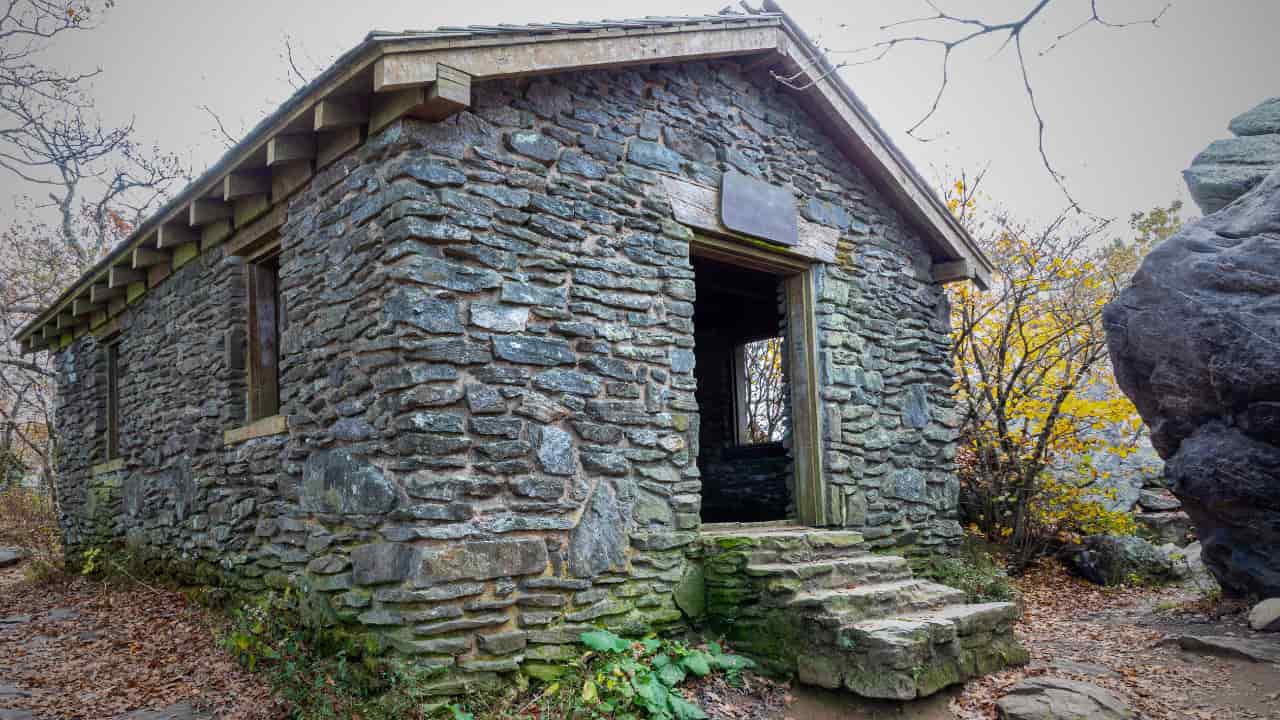
Appalachian Trail shelters are three-sided wooden structures spaced roughly every 8 to 12 miles along the 2,190-mile trail. These lean-tos typically feature a raised wooden sleeping platform, a roof, and an open front facing away from prevailing winds. Most shelters accommodate 6 to 14 people, though sizes vary considerably. You’ll find a few enclosed shelters in areas with extreme weather, but the classic three-sided design dominates the trail.
The shelter system emerged from the vision of AT founder Benton MacKaye and has evolved over nearly a century. Today, more than 250 shelters dot the trail, maintained by the dedicated volunteers of trail clubs and the Appalachian Trail Conservancy. Each shelter reflects the character of its maintaining club, from rustic log construction in the South to more modern structures in New England.
Why Shelters Matter on the AT
The density of the AT shelter network sets this trail apart from other long-distance routes like the Pacific Crest Trail or Continental Divide Trail. This infrastructure creates a social hiking culture where hikers naturally converge each evening, sharing stories, trail information, and camaraderie. Many thru-hikers plan their daily mileage around reaching specific shelters, creating a rhythm to trail life.
Beyond the social aspect, shelters provide crucial protection from the elements. When unexpected storms roll in or temperatures drop, having a reliable roof overhead can transform a miserable night into a manageable one. For beginners, this safety net offers peace of mind while you’re still learning wilderness skills and building confidence.
The shelter system also helps minimize environmental impact. By concentrating camping in designated areas with established tent sites, the trail experiences less overall damage than if hikers camped randomly throughout the corridor. Most shelters include a nearby privy (outhouse), a water source, and designated tent sites, creating a complete camping ecosystem.
Where Shelters Are Required
Here’s something many beginners don’t realize: certain sections of the AT mandate shelter use or restrict where you can camp. Understanding these regulations is critical for planning your hike.
Great Smoky Mountains National Park enforces the strictest shelter requirements. In the Smokies, you must stay at designated shelters or campsites, and you need a permit that specifies exactly where you’ll sleep each night. The park’s shelter system requires reservations, and spaces fill quickly during peak thru-hiking season. This 71-mile section demands careful advance planning.
Shenandoah National Park also restricts camping to designated areas, though the rules are less rigid than the Smokies. You can camp at shelters, established campgrounds, or backcountry sites, but dispersed camping outside these areas is prohibited.
Baxter State Park in Maine, home to Mount Katahdin and the AT’s northern terminus, requires shelter or campsite reservations. This park operates independently from the National Park Service and maintains its own strict regulations.
Several state parks and forests along the trail restrict camping to shelters and designated sites only. Local regulations change, so always check current rules for the sections you’re hiking. The AWOL guide and other AT resources provide up-to-date information on camping restrictions.
Shelter Etiquette Every Hiker Should Know
The AT has a well-established shelter culture built on respect and common courtesy. Following these unwritten rules ensures everyone enjoys their shelter experience.
First come, first served is the golden rule. Shelters cannot be reserved (except in the Smokies), so arriving early increases your chances of getting a spot. However, if a shelter fills up, thru-hikers traditionally have priority over section hikers and weekenders, though this is courtesy rather than a rule. The logic is simple: thru-hikers carry their homes and have limited flexibility in their schedules.
If you arrive at a full shelter, set up your tent at a designated tent site nearby. Don’t crowd the shelter area or set up directly in front of the opening. Respect the space of those who secured shelter spots.
Shelter sleeping is communal. Expect snoring, rustling, headlamps at odd hours, and early risers. If you’re a light sleeper, bring quality earplugs. Keep noise to a minimum, especially after hiker midnight (typically around 9 PM).
Leave no trace applies doubly at shelters. Pack out all trash, use the privy properly, and don’t carve into shelter wood or leave graffiti (the shelter register is for your thoughts, not the walls). Filter or treat water from nearby sources, and never contaminate water supplies.
Essential Gear for Shelter Camping
Even if you plan to stay primarily in shelters, you still need complete camping gear. This surprises many beginners, but it’s non-negotiable.
A tent or tarp shelter is mandatory. Shelters fill up regularly, especially during peak season (April to June for northbounders). You’ll often find yourself tenting, whether by choice or necessity. Even if a shelter has space, you might prefer your tent for privacy, to escape snorers, or to avoid mice.
Speaking of mice, these shelter residents are relentless. Bring a sturdy stuff sack or rodent-proof food bag and hang it from the shelter’s provided hooks or bear cables. Never leave food in your pack overnight. Mice will chew through pack fabric to reach food, destroying expensive gear. Some hikers bring lightweight mouse-proof containers for extra security.
A sleeping pad is essential, even in shelters. Wooden platforms are hard and cold, conducting heat away from your body. The sleeping pad provides both cushioning and critical insulation. Many hikers prefer closed-cell foam pads in shelters to avoid punctures from rough wood and splinters.
Your sleeping bag or quilt should match the conditions you’ll face. Don’t rely on shelters for warmth. A three-sided structure provides wind protection but limited temperature benefit.
Pack a headlamp with good battery life. Shelters lack lighting, and you’ll need hands-free illumination for cooking, reading registers, and nighttime privy visits.
Finally, bring camp shoes or sandals. After a long day of hiking, your feet need relief from boots. Lightweight footwear makes those evening walks to water sources or the privy much more comfortable.
Water and Cooking Considerations
Most shelters feature a nearby water source, typically a spring or stream within a few hundred feet. However, water availability varies seasonally. Springs can run dry during summer droughts, and northern sources may freeze in early spring or late fall.
Always carry a water filtration or purification system. Never assume shelter water is safe to drink untreated, regardless of how clear it looks. Giardia and other waterborne pathogens are present throughout the AT.
Practice good water source etiquette. Don’t contaminate sources with soap, food waste, or human waste. Collect water downstream from where you filter, and avoid stepping in or stirring up sediment in springs.
For cooking, many shelters provide a fire ring or grill, but don’t count on campfires. They may be prohibited during dry conditions, and gathering sufficient wood shouldn’t involve damaging live vegetation. Carry a reliable camp stove and fuel for all your cooking needs.
Planning Your Shelter Strategy
As you plan your AT journey, decide on your shelter philosophy. Some hikers aim for shelters every night, enjoying the social scene and weight savings from a lighter shelter system. Others prefer the solitude and flexibility of tent camping, using shelters only occasionally or during bad weather.
During peak thru-hiking season, expect crowds at popular shelters. The bubble of northbound thru-hikers creates a moving wave of hikers competing for spaces. Starting earlier or later than the main wave, or hiking southbound, can mean quieter shelter experiences.
Check recent trail journals and apps like FarOut for current shelter conditions. Maintenance levels vary, and some shelters may be temporarily closed for repairs or due to bear activity.
Understanding Appalachian Trail shelters transforms them from simple wooden structures into valuable tools for your hiking success. Whether you use them every night or just occasionally, knowing the system, etiquette, and requirements ensures you’re prepared for whatever your AT adventure brings. Now get out there and enjoy the trail!